
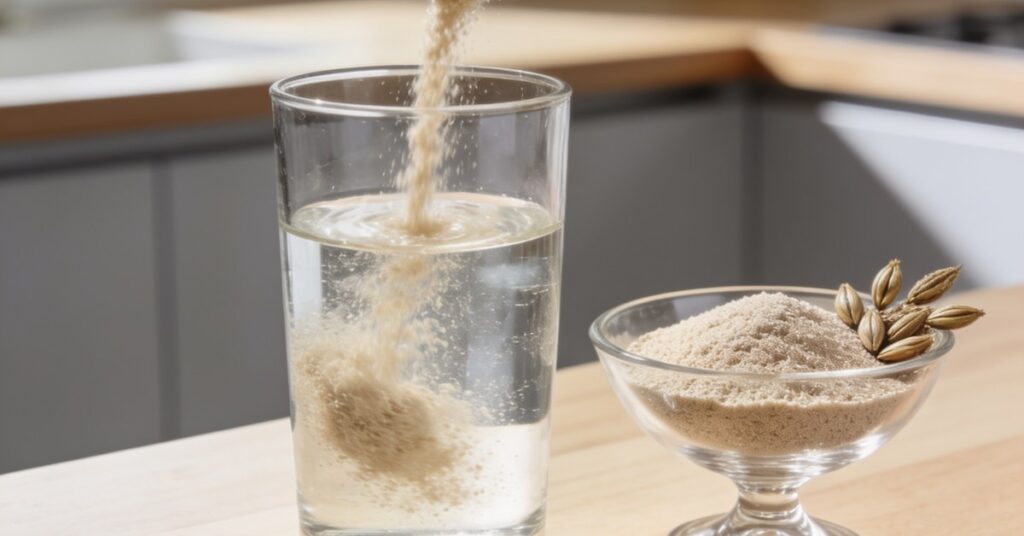
Integrating Psyllium Husk into your daily routine can be a transformative step for digestive health, blood glucose control, and effective weight management. In this guide, I will provide you with evidence-based insights on how to use this fibre supplement safely, including precise dosage protocols and essential hydration requirements. By following these professional recommendations, you will gain the clarity and confidence needed to support your long-term wellness goals effectively.
Psyllium husk
What is Psyllium Husk?
Psyllium husk is a natural, soluble, bulk-forming fibre sourced from the seeds of the Plantago ovata plant. Also referred to as ispaghula, this plant-based substance is highly regarded for its unique ability to absorb liquid and transform into a thick, viscous gel. Because it is neither digested nor fermented within the body, it serves as an effective dietary supplement with wide-ranging health applications.
Key Health Advantages
Incorporating this fibre into your daily routine can provide several systemic benefits for your wellbeing:
- Digestive Regularity: It acts as a gentle bulk-forming laxative by absorbing water in the intestines, which softens the stool and promotes easier bowel movements.
- Heart Health: Consistent daily consumption—approximately 10g—can assist in binding bile acids in the gut, which plays a role in reducing LDL cholesterol levels.
- Blood Sugar and Satiety Management: The gel-like consistency slows down the digestive process, helping to stabilise blood sugar levels after meals and increasing the feeling of fullness, which is beneficial for weight control.
- Prebiotic Support: Psyllium offers certain prebiotic effects, nourishing beneficial bacteria within the gut microbiome.
How to Incorporate It Safely
While psyllium husk is a popular wellness trend often highlighted on social media as a „miracle fix” for various ailments, it is essential to use it properly to avoid discomfort. Follow these professional guidelines to ensure safety:
- Start Gradually: Begin with a small serving, such as half a teaspoon (roughly 3g), once daily. Gradually increase this amount over a period of two to three weeks to minimise the risk of bloating or flatulence.
- Prioritise Hydration: You must mix the powder with at least 240ml to 350ml of liquid. Consume the mixture immediately before it thickens into a gel in the glass, and follow it with an additional full glass of water. Insufficient fluid intake can cause the fibre to swell, potentially leading to blockages in the throat or digestive tract.
- Mind the Timing: Take your supplement at least 1 to 2 hours before or after taking any prescribed medications. Because the gel creates a coating in the gut, it may interfere with the absorption of essential drugs, such as iron or thyroid medication.
Important Considerations
It is important to remember that this information is for educational purposes and does not constitute formal medical advice. Dosage depends on your individual needs and current health status. Always consult with your medical practitioner or a registered dietitian before starting a new supplement regimen, especially if you are currently taking prescription medication.
The Essential Role of Psyllium Husk in Digestive Health and Gut Health
Psyllium Husk is a natural, soluble fibre derived from the seeds of the Plantago Ovata plant, primarily used to improve regularity and support metabolic health. By absorbing significant amounts of water, it transforms into a gel-like substance that facilitates smoother bowel movements and helps regulate the speed of digestion. Unlike many synthetic alternatives, this natural fibre is not fermented in the gut, which often makes it a more comfortable choice for individuals who struggle with bloat or gas when using other prebiotic-style fibres. Understanding that this fibre acts as a physical tool within your digestive system, rather than a chemical stimulant, is key to leveraging its benefits for your overall gut health.
Practical Administration of Psyllium Husk Powder and Dosage Guidelines
The efficacy of Psyllium Husk depends entirely on consistent administration and adhering to specific timing protocols tailored to your health goals. Ever wondered if there is a more efficient way to manage your fibre intake? From my experience, keeping a simple symptom diary or a small note on your fridge helps ensure you do not miss those critical 2-hour windows between supplements and medication. By creating a structured routine, you remove the guesswork and allow your system to adapt progressively to the increased fibre load, which is essential for avoiding initial digestive discomfort.
- Start with a conservative dose of 1 teaspoon of Psyllium Husk powder or 2–3 capsules once daily to allow your body to adjust.
- For general digestive disorders, consume 5 to 10 grams, up to three times per day.
- If addressing constipation, you may increase to 15 grams, 1–3 times per day.
- Always mix your dose into 240 mL to 350 mL of water, juice, or a smoothie, and follow with an extra glass of water.
Strategic Timing for Metabolic Benefits of Psyllium Husk
Strategic timing of your doses can significantly enhance the therapeutic benefits of Psyllium Husk for specific health concerns. If you are using this supplement for blood glucose control, you should consume your dose 15 to 30 minutes before a carbohydrate-containing meal to help modulate your post-prandial glucose response. For those focusing on heart health and cholesterol support, taking the supplement directly with your meals is the most effective approach. Regardless of your specific goal, always maintain a total fluid intake of 1.5 to 2 litres per day to prevent the risk of choking or intestinal blockage, and strictly separate these doses from any prescription medications or other supplements by at least 2 hours to avoid malabsorption.
Comparative Analysis of Psyllium Husk Fibre Supplement and Other Alternatives
Psyllium Husk stands out from other fibre supplements due to its unique physiological properties, such as its non-fermentable nature and its specific impact on cholesterol and blood sugar levels. The following table highlights why choosing the right fibre matters for your specific health objectives:
| Supplement | Source | Metabolic Benefit |
|---|---|---|
| Psyllium Husk | Plantago Ovata | High (Cholesterol/Glucose) |
| Methylcellulose | Synthetic | Low |
| Inulin | Agave/Chicory | Low (Prebiotic only) |
| Polycarbophil | Synthetic | None |
Safety, Precautions, and Clinical Considerations for Use of Psyllium Husk
Psyllium Husk is generally safe for daily use when following proper hydration guidelines, though it is important to remember that it is not regulated by the FDA. You must drink at least 240 mL of liquid with every dose to ensure it functions correctly and safely within the digestive system. A clinical dose of approximately 10 grams of Psyllium Husk per day has been shown to lower LDL cholesterol by 13 mg/dL, though these positive effects are typically only observed after at least three weeks of consistent daily use. This timeframe is critical; many people give up after a week, missing out on the long-term cardiovascular benefits because they did not commit to the process.
Important: If you have a history of bowel blockages, kidney disease, diabetes, or trouble swallowing, you must consult a Healthcare Professional before incorporating this supplement into your daily regimen.
Weight Management and Constipation Relief
Weight management using Psyllium Husk is supported by clinical meta-analyses, which indicate that a mean dose of 10.8 grams per day can lead to a reported weight loss of 2–6 kg over a 30-day period. To achieve these results, the timing should be consistent, with the dose taken 15 to 30 minutes before meals. Because this supplement is available in a wide variety of formats—including powder 300g, granules, Psyllium Husk capsules, liquid, and wafers—you can select the version that best fits your lifestyle, provided you always adhere to the minimum requirement of one full glass of water per dose to ensure safety.
Frequently Asked Questions
Is Psyllium Husk considered a prebiotic?
No, Psyllium Husk is primarily a bulk-forming laxative fibre and is not fermented in the gut like traditional prebiotics such as Inulin. Because it passes through the system largely intact, it is often better tolerated by those sensitive to gas and bloating.
Can Psyllium Husk capsules provide the same benefits as the powder?
Yes, Psyllium Husk capsules offer the same soluble fibre benefits as the powder, provided you take the correct number of capsules to match the recommended gram dosage. You must still consume them with a full 240 mL glass of water to ensure they hydrate correctly in the stomach.
Should I worry about Psyllium Husk interacting with live bacteria supplements?
While there is no direct harm, it is best to separate your fibre intake from any live bacteria or probiotic supplements by at least 2 hours. This ensures that the gel-forming action of the fibre does not inadvertently affect the transit or absorption of the beneficial microbes.
Is there a specific time of day that is best for taking Psyllium Husk?
The best time depends on your goal; for glucose and weight management, it should be taken 15 to 30 minutes before your largest meal. If you are simply improving general regularity, taking it at a consistent time each morning or evening is usually sufficient.
Prioritising at least 240 mL of water with every dose is the most effective way to ensure your body benefits safely and comfortably from this fibre. Staying consistent with your daily hydration and medication timing will provide the best foundation for your digestive health and long-term well-being.