
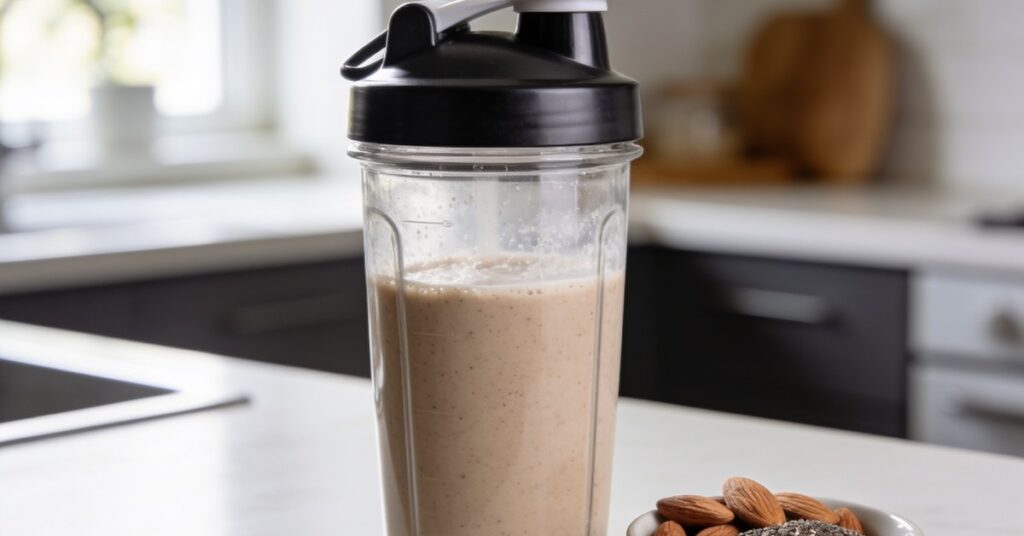
Navigating the world of meal replacement shakes can be overwhelming, yet understanding how they impact your metabolism is a vital step in managing your weight and long-term health effectively. In this guide, I will provide an evidence-based overview of how these products function, what to look for on a label, and how to safely integrate them into your routine without compromising your nutritional wellbeing. By the end of this article, you will have the practical knowledge required to make informed decisions that support your specific health goals.
Spis treści
ToggleThe Core Function of Meal Replacement Shakes for Weight Loss
Meal replacement shakes facilitate weight loss primarily by creating a reliable calorie deficit through portion control, typically providing between 150 and 400 calories per serving. By substituting a standard meal—which usually contains 500 to 800 calories—with a shake containing 200 to 300 calories, you effectively reduce your daily energy intake without the need for complex calorie counting. This systematic approach is designed to be nutritionally complete, ensuring that you receive essential nutrients even while consuming fewer total calories than usual. Many people assume that liquid calories are just a trend, but from my experience, the math behind the caloric reduction is what drives the initial success in most weight loss journeys.
The biological mechanism behind these products relies heavily on their macronutrient composition, specifically their high protein and fibre content. Protein is particularly effective for weight management because it possesses a higher thermic effect than carbohydrates or fats, meaning your body requires more energy simply to break down and process the protein molecules. This process not only supports satiety but also helps to preserve lean muscle mass during your weight loss journey, provided you choose products that align with your daily nutritional requirements. When you shift your intake towards these high-protein, nutrient-dense liquids, you are effectively signalling your body to prioritize fat metabolism while maintaining the metabolic machinery required to keep your energy levels steady throughout the day.
Balancing Safety and Effectiveness in Your Diet
Meal replacement shakes are safe and effective for most healthy adults when used as a short-term tool, provided you select high-quality formulations containing 15g to 24g of protein and at least 3g of fibre per serving. While specific brands like Isagenix IsaLean Shakes are designed to meet these criteria, it is essential to follow the advice of health organisations, which caution against using total meal replacements for more than 12 weeks without direct medical supervision. Adopting this strategy allows for structured calorie restriction while mitigating the risks associated with prolonged, drastic changes to your dietary patterns. It is always better to treat these as a temporary bridge to better habits rather than a permanent lifestyle replacement, as the long-term goal should always be a sustainable relationship with whole, unprocessed foods.
To ensure optimal health outcomes, the Mayo Clinic advises that you select shakes where the protein content is equal to or greater than the carbohydrate content. This balance is critical because it helps prevent excessive spikes in blood glucose, which can lead to energy crashes and increased hunger. By prioritising products that mirror this macronutrient ratio, you can maintain better metabolic stability, ensuring that your reliance on liquid nutrition supports rather than hinders your long-term health goals. Ever wondered if there is a faster way to manage this? The answer lies not in the speed of the weight loss, but in the consistency of your nutritional intake, which is why checking labels for protein-to-carb ratios is non-negotiable for anyone serious about their health.
Essential Ingredients to Look for in Tasty Meal Replacement Shakes
The best Diet Shakes should contain a robust blend of 15–30g of protein and 3–8g of dietary fibre per serving to ensure both satiety and nutritional adequacy. When inspecting labels, look for high-quality protein sources such as whey protein concentrate or isolate, or balanced plant-based blends combining pea, brown rice, and hemp proteins. These components are foundational for muscle maintenance and digestive health, particularly when supplemented with added fibre sources like flaxseed, chia seed, or chicory root fibre. I have personally found that the inclusion of these specific fibres makes a world of difference in preventing the mid-morning hunger pangs that usually derail people on restrictive diets.
Beyond the primary macronutrients, a superior meal replacement should offer a comprehensive micronutrient profile, including at least 26 essential vitamins and minerals to prevent deficiencies. To enhance the functionality of the shake, look for the inclusion of medium-chain triglycerides (MCT) powder for sustained energy and gluten-free oat or brown rice flour for texture and complex carbohydrates. Finally, prioritise products that use natural, low-glycaemic sweeteners such as Stevia, Monk Fruit, or Erythritol, which provide a palatable taste without the negative metabolic impacts associated with added sugars or artificial alternatives. These small details in the ingredient list distinguish a high-performance tool from a cheap, sugar-laden substitute that does more harm than good to your insulin response.
Weighing the Pros and Cons of Using Many Meal Replacement Shakes
Replacing solid meals with Diet Shakes offers the primary benefit of convenience, as these products eliminate the need for cooking or food preparation, typically providing 200–400 calories per serving. This ease of use can significantly improve compliance for individuals with busy lifestyles, helping them stay within a calorie-controlled framework. However, it is important to acknowledge that liquid nutrition often lacks the complex phytochemicals found in whole fruits, vegetables, and grains, which are necessary for optimal gut health and long-term disease prevention. While the convenience is undeniable, I always suggest that my readers ensure they are still getting enough diversity in their remaining meals to avoid the pitfalls of a monochromatic diet.
From a clinical perspective, there are notable drawbacks to consider before making shakes a staple of your diet. Many processed powders contain added sugars, artificial ingredients, or preservatives that may not align with a clean-eating philosophy. Furthermore, specific ingredients such as lactose or sugar alcohols are common culprits behind digestive distress, including bloating, cramps, or diarrhoea. For individuals with diabetes, the rapid absorption of liquid calories can trigger dangerous drops or spikes in blood sugar, necessitating a consultation with a healthcare provider to adjust medications before starting a meal replacement regimen.
| Feature | Meal Replacement Shakes | Whole Food Meals |
|---|---|---|
| Preparation Time | Instant/Minimal | Moderate to High |
| Nutrient Density | Fortified (Synthetic) | Natural (Phytochemicals) |
| Satiety | Lower (Liquid) | Higher (Solid) |
| Cost | High per serving | Variable |
Choosing the Best Vegan Meal Replacement and Weight Loss Options
Selecting the right meal replacement shake requires matching the product’s nutritional profile to your specific health objectives, ensuring it contains less than 10g of added sugar and at least 25% of your recommended daily intake for essential vitamins and minerals. For those focusing on weight loss, aim for a product with 200 to 400 calories, 15g to 30g of protein, and 5g to 8g of dietary fibre per serving. Recommended options for this purpose include the Huel Ready-To-Drink Shake or The Protein Works Diet Meal Replacement, both of which are designed to support a sustainable calorie deficit. These products are engineered to provide a balanced macro-split that keeps the body functioning optimally during a period of intentional energy restriction.
If your goals shift toward muscle gain and recovery, you should select products with higher protein density, such as Transparent Labs Grass-Fed Whey Isolate or Premier Protein Shakes, which are formulated to facilitate faster tissue repair. For individuals following a plant-based or dairy-free lifestyle, vegan options like the Ka’Chava Superblend Shake or Huel Black Edition provide excellent, nutritionally complete alternatives. By identifying whether your primary need is weight reduction, performance recovery, or dietary compatibility, you can choose a product that integrates seamlessly into your life without forcing you to compromise on your core performance metrics.
Managing Potential Side Effects When Shakes Contain Artificial Sweeteners
The most common side effects associated with Diet Shakes include digestive distress—such as bloating, gas, constipation, or nausea—often caused by additives like xanthan gum or sugar alcohols. For those with specific sensitivities, dairy-based proteins like whey or casein may trigger allergic reactions or further gastrointestinal issues. Additionally, if you experience headaches, these are frequently linked to caffeine content in certain formulas, the use of artificial sweeteners, or fluctuations in blood glucose levels resulting from the shift to liquid nutrition. It is quite common for people to report these issues in the first week, but usually, they resolve as the body adapts to the new fibre and protein intake levels.
More systemic risks can arise from improper or long-term reliance on meal replacements without whole-food supplementation. Drastic calorie restriction can lead to fatigue, dizziness, and potential hormonal responses that trigger weight regain once you resume eating solid foods. Furthermore, excessively high protein concentrations can place unnecessary strain on the kidneys in susceptible individuals, while a lack of phytonutrients and enzymes can lead to broader nutritional deficiencies. Always listen to your body; if you experience persistent symptoms, discontinue use and consult a medical professional to ensure your approach is not compromising your underlying health.
Important: If you have a history of kidney disease or chronic metabolic issues, consult your GP before increasing your protein intake significantly, as concentrated protein sources can exacerbate pre-existing conditions.
Long-Term Sustainability and the Whole Food Comparison
You can lose weight long-term with meal replacements, as clinical studies show that people who followed a structured meal-replacement diet lost 1.4kg more than those on other diets after one year, provided the shakes contained at least 20g of protein and no more than 10g of sugar per serving. However, the Mayo Clinic recommends using these products primarily for short-term calorie management, such as replacing one meal a day, rather than as a permanent substitute for all solid food. This moderation is key to maintaining a healthy relationship with food and preventing the psychological fatigue that often accompanies restrictive liquid diets. Relying on these tools to build a foundation is smart, but the real work happens when you learn to transition back to whole food preparation.
Comparing shakes to whole foods reveals that solid meals remain superior for fat loss, gut health, and metabolic balance, according to a recent study published on October 27, 2025. This is largely because liquid calories pass through the stomach faster than solid food, which requires more energy to digest due to the thermic effect of food. Whole foods also provide natural antioxidants and fibre that are not always present in processed shakes. If you want the best of both worlds, consider a hybrid approach: combine a high-quality protein powder with whole-food ingredients like oats, nuts, or peanut butter to create a more fibrous, nutrient-dense meal that sustains you longer and supports your metabolic health more effectively.
Practical Steps for Success
- Start by replacing only one meal per day to assess your personal tolerance.
- Monitor your symptoms, specifically checking for signs of bloating or nausea.
- Keep a simple food diary to track how your energy levels fluctuate throughout the week.
- Consult your doctor if you are currently taking any medication that requires consistent blood glucose levels.
Frequently Asked Questions
Can I replace every meal with a shake?
No, you should avoid replacing all meals with shakes for longer than 12 weeks without supervision. The body requires the complex nutrients and mechanical digestion process associated with solid foods to maintain long-term metabolic health.
Are there specific brands like Huel Black Edition recommended for weight loss?
Yes, products like Huel Black Edition are often recommended for their balanced macronutrient profile and high protein content. However, always check the label to ensure the calorie count matches your specific weight loss target.
Will these shakes cause kidney damage?
High protein intake can place strain on kidneys if you have pre-existing renal issues. Consult a doctor before starting any high-protein diet to ensure your kidney function is adequate for the increased load.
What is the best way to improve the taste of a plain shake?
You can enhance the flavour and nutritional profile by blending in whole foods like berries, nut butters, or unsweetened almond milk. This adds natural fibre and antioxidants that processed powders often lack.
Treat these shakes as a temporary bridge to better habits rather than a permanent solution, ensuring they complement a diet rich in whole, unprocessed foods. Prioritising products with at least 20g of protein and minimal sugar will help you stay on track while keeping your metabolic health protected throughout your journey.
Polecamy również te artykuły:
- Back stretcher lower back pain relief: Do these spinal tools really work?
- Does Horlicks help you sleep? The truth about this malted bedtime drink
- Curtsy lunges exercise: The Ultimate Lunge Variation for Quads and Glutes
- Health impact of vaping: Understanding the lung and health effects
- Stretches before running: Essential dynamic warmup moves for runners