
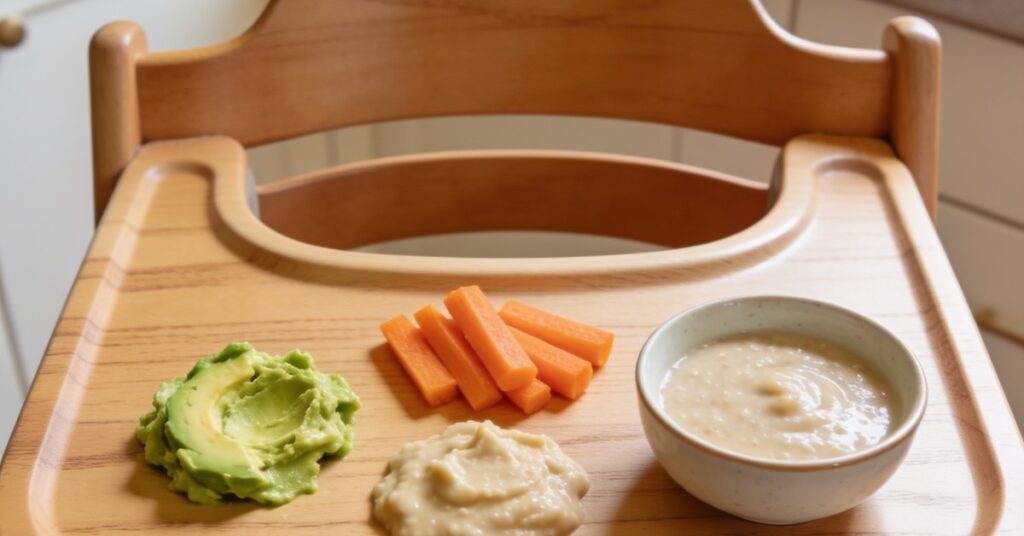
Navigating the transition to solid foods is a pivotal milestone in your child’s development, and understanding the latest NHS Weaning guidelines is essential for ensuring their long-term health and well-being. In this article, you will find expert-backed advice on safe weaning stages, nutritional requirements, and vital precautions to help you confidently manage your baby’s dietary progression. By following these evidence-based steps, you can feel fully prepared to provide the best start in life while minimising potential risks during every mealtime.
When Your Baby Is Ready for Solid Foods and How to Start Introducing Solid Foods
Weaning should begin around 6 months of age, as this is the point when your baby is developmentally ready to receive nutrition beyond breast milk or infant formula. You must never start introducing solid foods before the age of 17 weeks, as the digestive system of an infant is not sufficiently mature to handle complex textures or nutrients before this window. When you decide to start, ensure your baby is ready by observing signs such as the ability to hold their head steady and the loss of the tongue-thrust reflex that causes them to push food out of their mouth. This developmental readiness is the primary indicator that your child is prepared for the complex task of moving food from the front of the tongue to the back of the throat for swallowing. Many parents find this early period daunting, but focusing on these physical cues provides a reliable roadmap for success. It is crucial to remember that this phase is not a race; each child progresses at their own pace, and observing these signs ensures you are not forcing the process before the baby’s digestive tract is adequately prepared to handle the introduction of new proteins, starches, and fibres. By waiting until the 6-month mark, you also allow the immune system to mature slightly, which can be beneficial when introducing potential allergens.
How to Introduce Solid Foods and Manage Allergens Safely
You should introduce common allergen-containing foods one at a time starting from around 6 months of age to monitor for any adverse immune responses. By introducing only one new allergen at a time and waiting 2 to 3 days between each new addition, you can clearly identify which food may be responsible if any reaction occurs. It is best to offer these new foods early in the day, such as at breakfast or lunch, so that you are awake and alert to observe your baby for any signs of discomfort or allergic reaction throughout the remainder of the day. When handling specific high-risk foods, it is vital to follow preparation protocols that reduce the danger of choking or improper digestion. From my experience, keeping a simple food diary during these first few weeks is a game-changer; it helps you track what was introduced and when, taking the guesswork out of potential reactions. If you notice any redness, swelling, or digestive upset, recording these details will be invaluable for your GP or health visitor. The approach to NHS Weaning is designed to be systematic, ensuring that you do not overwhelm the infant’s system while simultaneously building tolerance to foods that are frequently implicated in childhood allergies. Consistency is your best tool here, as regular exposure is the most effective way to help the baby’s developing immune system recognise these foods as safe and nutritious rather than as threats.
- Serve nuts and seeds exclusively in a ground or crushed form, or as a smooth, spreadable butter.
- Use British Lion-stamped eggs and ensure they are cooked thoroughly until the yolk and white are solid.
- Keep offering tolerated allergens regularly in the diet to maintain immune tolerance.
Signs Your Baby Is Ready for Solid Foods and Texture Progression
The progression of texture when you wean follows a structured path from smooth purees to family-style meals, beginning with a very small amount, such as 1 teaspoon of food, to allow the baby to become accustomed to the new sensation of swallowing solids. You should follow this general progression guide to keep your little one on track:
| Stage | Age Range | Texture Goal |
|---|---|---|
| Stage 1 | Around 6 months | Smooth, runny, lump-free purees |
| Stage 2 | 6 to 9 months | Thicker, fork-mashed, slightly lumpy |
| Stage 3 | 10 to 12 months | Finely chopped family foods |
As you advance through these stages, you should build up the portion size gradually until your baby is consuming approximately 6 teaspoons of food at one sitting. For babies who are ready to explore finger foods, ensure that everything is cut into easily manageable, thin strips to facilitate self-feeding. This systematic approach to texture ensures your baby develops the necessary muscles for chewing and swallowing while minimizing the risk of refusal or gagging associated with moving too quickly to complex textures. The reality is that patience during Stage 1 and 2 pays off significantly by Stage 3, as it builds the oral motor coordination required for more complex textures. By the time your child reaches 12 months, the goal is for them to join the family at the dinner table, eating modified versions of the same meals you enjoy, which promotes healthy socialisation and eating habits that can last a lifetime.
How to Breastfeed and Feed Your Baby During the NHS Weaning Journey
Breast milk or infant formula must remain the main drink for babies under 12 months, as these provide the essential nutrients that solid food cannot yet replace in sufficient quantities. For formula-fed babies aged 6 to 12 months, you should aim for a total daily intake of approximately 500ml to 600ml of formula. It is important to note that offering more than 500ml of formula daily may inadvertently reduce your baby’s appetite for the solid foods you are introducing, which is a necessary step for their long-term nutritional development. Balancing milk and solids is one of the most common challenges during the NHS Weaning process, but you can manage this by spacing out milk feeds and mealtimes to ensure the baby is hungry enough to explore new flavours.
Remember: Follow-on formula, growing-up milks, and goodnight milks are not suitable for babies under 6 months of age, and whole cow’s milk should never be given as a main drink before the child turns 1. After the first birthday, your child’s nutritional needs shift, and you can transition to using pasteurised whole or semi-skimmed cow’s, goat’s, or sheep’s milk as their primary drink to support their continued growth. Ensuring they receive at least 350ml of milk daily or an equivalent amount of dairy servings at this age will provide the calcium and fat required for brain and bone development. Keep a close eye on their intake, as excessive milk consumption at this stage can sometimes lead to iron deficiency if it displaces too many nutrient-dense solid foods from their daily diet.
Essential Foods to Avoid and Safety Recipes and Meal Ideas
Certain foods must be strictly avoided during the weaning process to protect your baby from severe health risks, such as infant botulism, food poisoning, or mercury toxicity. These restrictions are not merely suggestions but are rooted in protecting an infant’s vulnerable physiological systems from hazards that an adult would typically be able to process without issue. The following items should be kept strictly off the menu until the specified age criteria are met:
- Honey: Avoid until 12 months old due to botulism risk.
- Mould-ripened soft cheeses: Avoid brie, camembert, chévre, or roquefort due to listeria risk.
- High-mercury fish: Avoid shark, swordfish, and marlin.
- Plant-based milks: Avoid soya, oat, and almond drinks as main alternatives under 12 months.
- Whole nuts and peanuts: Avoid for children under 5 years due to choking hazard.
Fresh pâté, whether made from meat, fish, or vegetables, is also dangerous due to the potential for food poisoning, and raw or lightly cooked shellfish must be excluded to prevent food-borne illness. It is easy to overlook these items when preparing family meals, but taking an extra moment to check ingredients lists or preparation methods is essential for your child’s safety. When providing information to childcare providers or family members, clearly communicate these avoidances to ensure consistency across all caregivers. Protecting your baby from these specific risks during their first year is a fundamental aspect of responsible parenting and forms the bedrock of a safe nutritional start.
Safety Protocols and Choking Hazard Mitigation
Mealtime safety is achieved by using an upright high chair with secure back and foot support to ensure your baby is in a stable position to swallow safely. If you suspect your baby is choking, follow these immediate steps:
- Assess the situation—if they cannot breathe, do not wait.
- Dial 999 immediately for emergency services.
- Give 5 sharp back blows between the shoulder blades to attempt to dislodge the obstruction.
To prevent these incidents, you must cut round foods like grapes and cherry tomatoes into quarters lengthways, as these are the perfect size to block a child’s airway. Before serving meat or fish, you must meticulously remove all bones, skin, and fat, as these can easily cause a child to gag or choke. When you are busy in the kitchen, it is easy to cut corners, but treating every piece of food with this level of caution is non-negotiable until your child has mastered the chewing process. Sausage and hot dog preparation is another area where many parents slip up; always slice these items into short, narrow strips lengthways rather than rounds, as the latter can perfectly plug the windpipe. Cheese should also be grated or cut into small, manageable strips rather than large chunks. By maintaining an upright, supported posture during every single meal, you help the baby coordinate their swallowing reflex more effectively, which significantly reduces the likelihood of an emergency occurring in the first place.
Nutritional Supplements and Portion Guidance
Babies who are consuming less than 500ml of infant formula daily should be given vitamin A, C, and D supplements to ensure they receive the necessary micronutrients for healthy development. While weaning starts at around 6 months with a single daily meal, by 7 to 9 months, you should be offering 3 meals a day, specifically breakfast, lunch, and dinner. By 10 to 12 months, this routine should be well-established, with your baby having 3 meals a day, including a main course and a pudding at both lunch and dinner, to satisfy their increasing energy demands. This progression helps your child establish a rhythm of eating that aligns with family life, making the process more sustainable and enjoyable for everyone involved. If you find that your baby is consistently eating very small portions, do not be overly concerned, as their appetite can fluctuate day to day; focus instead on the quality and variety of the nutrients provided. Monitoring their growth against health visitor charts is the best way to ensure they are getting sufficient energy, rather than relying solely on the exact number of teaspoons consumed at each sitting.
Frequently Asked Questions
Can I give my baby cow’s milk as a drink before they are one?
No, you should not offer cow’s milk as a main drink until the child has reached their first birthday, as it does not contain the right balance of nutrients required for infants under 12 months.
What should I do if my baby eats less than 500ml of formula a day?
If your baby is consuming less than 500ml of formula daily, they require vitamin A, C, and D supplements to support their growth and immune system.
Are there any specific safety rules for serving fruit like grapes?
Yes, all round foods, including grapes and cherry tomatoes, must be cut into quarters lengthways to ensure they do not become choking hazards.
When should I introduce honey into my baby’s diet?
You must avoid giving honey to your baby until they are at least 12 months old due to the risk of infant botulism.
Adhering to these evidence-based safety protocols ensures that the transition to solid foods remains a secure and positive experience for your growing child. Always prioritise the correct texture and preparation methods to minimise choking risks, as these simple precautions form the most critical element of your daily weaning routine.