
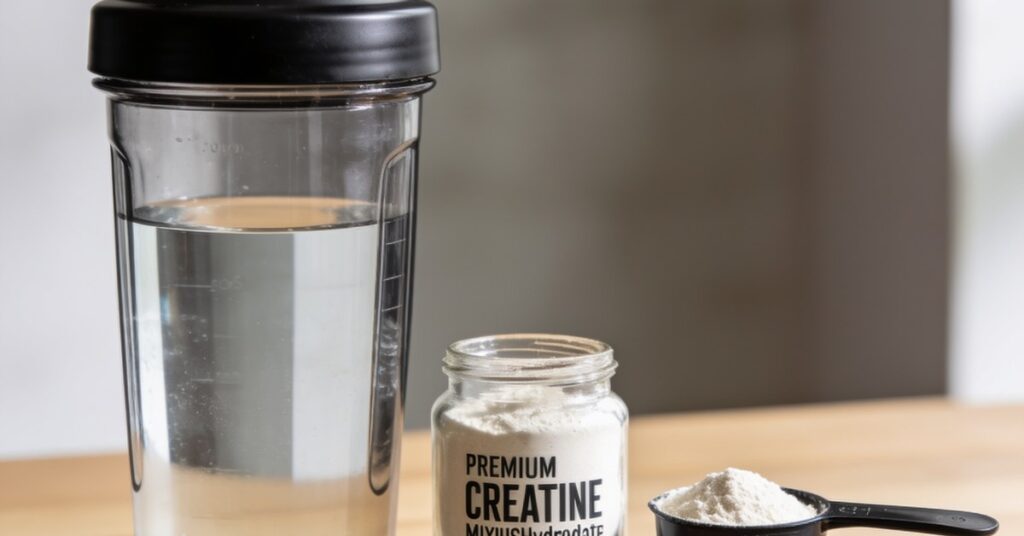
Navigating sudden fluctuations in body mass can be a source of concern for many, making it essential to distinguish between temporary fluid shifts and genuine physical progress. In this article, you will learn the evidence-based facts behind Creatine Weight Gain, helping you understand exactly what to expect during your supplementation journey and how to manage your health goals with confidence. We will provide practical insights to help you distinguish between water retention and muscle growth, ensuring you feel in control of your well-being throughout the process.
Creatine weight gain
Understanding Weight Changes Linked to Creatine
It is common for individuals to notice a swift, albeit transient, increase in body mass—typically ranging from 1 to 3 kilograms (2 to 6 pounds)—during the initial stages of creatine supplementation. It is crucial to understand that this shift is not related to fat accumulation. Instead, the increase is primarily driven by intracellular water retention, where fluid is drawn directly into the muscle cells, as well as gradual improvements in lean muscle mass over an extended period.
Why Does Supplementation Cause This Effect?
While the prospect of gaining weight might seem counterintuitive to those focused on aesthetics, the reasons behind it are purely physiological:
- Initial Fluid Retention: Creatine acts as an osmotic agent. By pulling water into your muscle fibres, it ensures your muscles remain well-hydrated, which often gives them a fuller, more defined look.
- Sustainable Muscle Development: By enhancing your body’s phosphocreatine reserves, this supplement assists you in performing additional repetitions and recovering more efficiently during vigorous training sessions. Consequently, this promotes the growth of lean tissue, which is denser than fat.
Strategies for Managing Fluctuations on the Scale
If you wish to avoid a significant spike in weight during the early stages of your supplement routine, you may consider the following approach:
- Avoid the Loading Phase: Rather than performing a traditional 5 to 7-day loading phase involving high doses (such as 20g per day), skip it entirely.
- Consistent Maintenance: Opt for a steady, standard maintenance dosage of 3 to 5 grams daily from the very beginning. This helps to mitigate sudden fluid retention.
How Creatine Functions Internally
Creatine primarily supports anaerobic exercise, which includes explosive, high-intensity movements that do not rely on oxygen. By supporting these energy systems, it facilitates greater work capacity. Please note that this summary is for informational purposes only. You should always consult with a qualified medical professional to discuss whether supplementation is appropriate for your specific health needs, as this content does not serve as medical advice.
The Reality of how Creatine causes Weight Gain and muscle mass
Weight gain associated with Creatine supplements is primarily a result of intracellular water retention rather than an increase in fat mass. When you begin to take Creatine, it is normal to experience an initial increase of 1 to 2 kg (2 to 4 lbs) within the first week of use. Because Creatine contains zero calories, it cannot directly contribute to fat storage; instead, it acts as an osmotic agent that pulls water directly into the muscle cells to support metabolic processes and training performance. Many men feel startled by this rapid change, but understanding that this specific Creatine Weight Gain is purely a shift in hydration status—rather than an accumulation of adipose tissue—is the first step toward effectively managing your physique goals.
Understanding why Creatine can cause Water Weight and muscle changes
Creatine causes weight gain because it increases the concentration of phosphocreatine in your muscles, which necessitates an influx of water to maintain cellular balance. This phenomenon is why some individuals report a body weight increase of 2% to 3% shortly after they start their regimen. By drawing fluid directly into the muscle tissue, the supplement enhances the hydration status of your cells, which is a key component of how it aids in long-term Lean Muscle growth and strength development. From a physiological perspective, this process is entirely normal, and the weight you observe on the scales is simply a reflection of your muscles being fully primed to perform at a higher intensity during your next training session.
Typical Weight at first and how Creatine helps gain Muscle
Most users can expect to see a total weight gain of approximately 2 to 4.5 pounds during the initial phase of supplementation. Clinical observations, such as a 2003 study, recorded an average weight gain of 3.75 pounds after 30 days of high-dose intake. While this shift may seem rapid, it is a predictable part of the adaptation process as your muscles reach full saturation, which typically takes 3 to 4 weeks when following a standard maintenance dose. Consistency is the primary factor here; by maintaining your intake levels, you ensure that your muscle cells stay hydrated, which in turn fosters an environment conducive to sustained strength gains over the long term.
Comparing Creatine Loading and maintenance for Creatine bloating
Choosing the right intake method can significantly influence how your body responds to the supplement. Ever wondered if there is a way to manage the initial bloating more effectively?
| Strategy | Dosage | Duration | Typical Effect |
|---|---|---|---|
| Creatine Loading | 20–25g daily | 5–7 days | Rapid saturation, higher bloating |
| Maintenance Phase | 3–5g daily | 3–4 weeks | Gradual saturation, minimal bloating |
Distinguishing between Water Weight and Lean Muscle for Creatine Users
The weight you gain on Creatine is not permanent fat, but rather a combination of temporary water weight and the eventual development of Lean Muscle tissue. In the short term, the weight is almost entirely attributed to water being stored within the muscle fibres. Over a longer duration of 4 to 12 weeks, consistent use of Creatine supplements facilitates the growth of 1 to 2 kg of actual Lean Muscle tissue, provided that your training intensity and nutritional intake support muscle protein synthesis. It is vital to look beyond the immediate number on the scale and evaluate your progress based on performance metrics, such as increased lifting capacity or improved recovery times between sets.
Practical steps to minimize Creatine Bloating and increase Muscle Weight
To reduce unwanted bloating while continuing your supplementation, you should focus on consistent hydration and smart dosing habits. From my experience, keeping a simple daily log of your water intake ensures you hit your targets without the guesswork. Follow these steps to keep things under control:
- Stick to a steady 3–5g maintenance dose to avoid the shock of a loading phase.
- Drink at least 2 to 2.5 litres of water throughout the day.
- Select micronized Creatine monohydrate for better solubility and easier digestion.
- Consume your dose post-workout with a source of protein or carbohydrates to boost absorption.
Following these specific adjustments can significantly lower the incidence of digestive discomfort or excessive fluid retention. Many users find that by simply switching to a micronized form of the supplement, they experience much better tolerance and fewer issues with bloating while still reaping the performance benefits that make this supplement a staple in the fitness community.
Reversing Weight changes after you stop taking Creatine
If you choose to discontinue Creatine supplementation, the initial water weight will typically subside within 7 to 14 days. During the first week after cessation, it is common to notice a sudden weight loss of 5 to 7 pounds as the excess intracellular fluid is excreted from your system. Once this fluctuation fades, you will be left with the physiological benefits of any Lean Muscle mass you successfully built during your period of active use, as the supplement does not cause permanent fat gain or long-term metabolic disruption. It is a clean process, and your body will recalibrate its fluid balance naturally once the supplemental Creatine is no longer present in your bloodstream.
Important: If you notice persistent or unexplained swelling beyond the expected ranges after stopping supplementation, consult your GP to rule out other underlying health conditions.
Benefits of Creatine and long-term muscle gains
The long-term value of integrating Creatine into your routine lies in the enhanced capacity to train harder and recover faster. While the initial Creatine Weight Gain can be a minor point of frustration for those focused on a specific weight class or aesthetic, it is ultimately a sign that your cells are effectively utilising the supplement. By maintaining proper hydration and adhering to a sensible maintenance dose, you can successfully bypass unnecessary bloating and focus on the genuine muscle growth that this supplement supports. Keeping a balanced view of your progress will help you stay the course, ensuring that you capitalise on the significant advantages provided by this well-researched, safe, and effective tool for physical development.
Frequently Asked Questions
Does Creatine interfere with weight loss goals?
Creatine does not prevent fat loss, though the temporary increase in water weight might mask your progress on the scales. If you are cutting for a competition, keep in mind that this fluid is stored inside the muscle, not under the skin, so it does not typically ruin your definition.
Is it necessary to cycle Creatine to avoid weight gain?
You do not need to cycle Creatine to manage weight, as the body adapts to consistent daily intake over time. Cycling is generally unnecessary for healthy individuals, and maintaining a steady 3-5g dose is the best way to keep your hydration levels stable.
Can Creatine cause weight gain in people who do not exercise?
While Creatine draws water into the muscles regardless of activity, the primary benefits and the development of Lean Muscle mass require resistance training. Without training, you may still experience minor water retention, but you will not achieve the structural muscle growth that justifies the supplementation.
Does the source of Creatine affect how much weight you gain?
Different forms of Creatine, such as Hydrochloride or Ethyl Ester, may have varying solubility levels compared to Monohydrate. However, the mechanism of intracellular water retention remains consistent, and most of the weight variation is driven by individual physiology rather than the specific brand or form of the supplement.
Prioritise consistent daily hydration to manage fluid-related fluctuations and ensure you reach your athletic potential comfortably. Remember that sticking to a steady maintenance dose is the most effective way to support your physical goals while minimising unnecessary bloating.