Dealing with a campylobacter infection can be physically draining and disruptive, making it essential to understand how to manage your recovery safely and effectively. In this guide, I provide evidence-based insights into the symptoms, transmission, and treatment protocols supported by the Campylobacter Infection NHS guidelines to help you navigate your illness with confidence. You will learn exactly what to expect during the course of the infection, when to seek professional medical help, and the most practical steps you can take to protect your health and those around you.
A Campylobacter Infection NHS case represents the most common bacterial cause of food poisoning in the UK, typically resulting from the consumption of contaminated food or water. Most individuals will recover fully at home within one week by focusing on rest and fluid intake, though it is important to monitor for severe symptoms that may necessitate urgent medical assessment.
Recognising Symptoms and Improving Health After Campylobacter Infection
The primary symptoms of a campylobacter infection include diarrhoea—which can occasionally be bloody—stomach cramps, abdominal pain, fever, nausea, vomiting, and general aches that make you feel unwell. These symptoms typically manifest within 2 to 5 days of exposure, although the incubation period can range from as short as 1 day to as long as 11 days. Most patients find that their condition improves naturally, with symptoms usually clearing up within 4 to 7 days, though clinical presentation can sometimes take up to 10 days to appear after the initial exposure to the bacteria.
Preventing Campylobacter Food Poisoning and Transmission Action
You contract a campylobacter infection primarily through the ingestion of the bacteria found in contaminated food, water, or unpasteurised dairy products. From my experience, the kitchen is where most of these battles are won or lost, so keeping your prep areas clean is non-negotiable to avoid the severe discomfort associated with this illness. The primary transmission risks include:
- Eating undercooked meat, particularly poultry, which is a high-risk source.
- Drinking unpasteurised milk or contaminated water supplies.
- Cross-contamination via shared cutting boards or knives used for raw meat.
- Direct contact with infected farm animals or household pets, specifically puppies or kittens suffering from diarrhoea.
- Poor hand hygiene after using the toilet or changing nappies, which facilitates spread.
- Milk that has been contaminated by birds pecking at the foil-topped bottles before they reach your doorstep.
Treating Campylobacter Infection and Useful Patient Advice
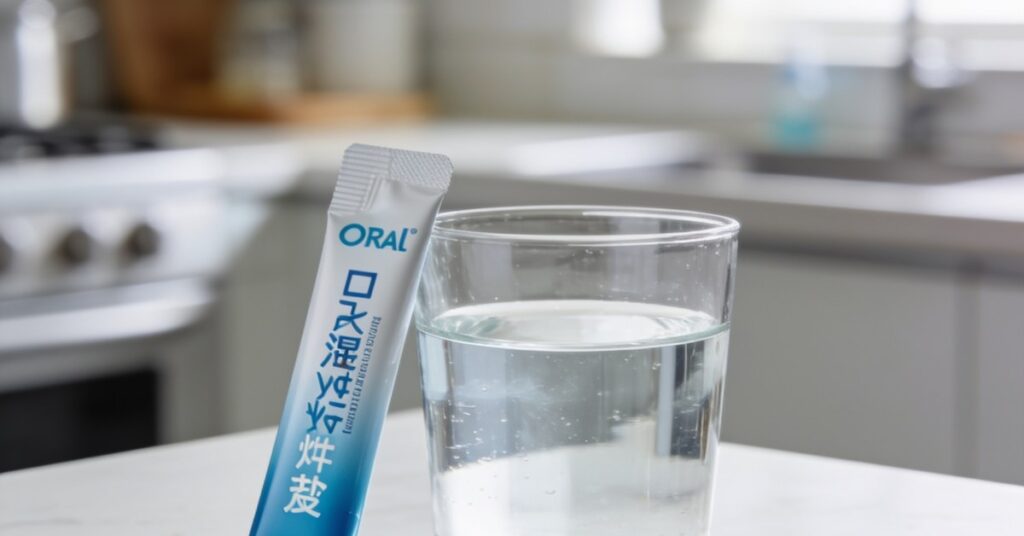
Treatment for a campylobacter infection at home focuses almost exclusively on resting and ensuring you remain properly hydrated. You should drink plenty of water, squash, or use oral rehydration sachets to replace the essential sugars and salts lost through illness. Ever wondered if you should just push through it? Trust me, your body needs the downtime to fight this off, and forcing yourself to work prematurely only increases the risk of dehydration and prolonged malaise.
| Action | Recommendation |
|---|---|
| Hydration | Use water, squash, or rehydration sachets. |
| Anti-diarrhoeal medication | Generally discouraged (e.g., loperamide). |
| Work/School return | Wait for 48 hours symptom-free. |
Important: You must stay off work, school, or any group activities until you have been completely symptom-free for at least 48 hours to prevent spreading the bacteria to others, which is a core pillar of the Campylobacter Infection NHS advice.
When to Seek Urgent Medical Healthcare Action
You should seek medical attention if you develop a high temperature (fever) of 38°C (100.4°F) or over, or if your symptoms are severe and fail to improve after a few days. It is also vital to contact a GP if you notice blood in your stool, as this indicates a more significant inflammatory response that requires clinical oversight. Furthermore, seek medical advice if the infected individual is particularly vulnerable, such as someone who is very young, elderly, pregnant, or possesses a weakened immune system.
Urgent Warning Signs Requiring Emergency Medical Care
Emergency medical assistance is required if you experience signs of severe dehydration, including sunken eyes, dark or strong-smelling urine, dizziness, extreme tiredness, or a dry mouth. Follow this checklist if you are unsure whether to head to A&E:
- Do you have severe, unrelenting abdominal pain that does not subside?
- Are you unable to keep fluids down due to constant vomiting?
- Are you experiencing confusion, extreme drowsiness, or loss of consciousness?
In hospital settings, patients requiring such interventions are typically isolated in a side room, and while antibiotics are generally not needed for routine cases, they may be prescribed for high-risk or severe complications. Severe dehydration may necessitate hospital admission and the administration of intravenous (IV) fluids to restore your body’s chemical balance quickly.
Frequently Asked Questions
Can I take over-the-counter painkillers while ill?
Yes, you can generally take paracetamol to manage the fever and general aches associated with the infection. Always follow the dosage instructions on the packet and avoid non-steroidal anti-inflammatory drugs if you are experiencing stomach irritation.
Is it safe to prepare food for others while I am recovering?
No, you should strictly avoid preparing food for others until you have been symptom-free for at least 48 hours. This is crucial to prevent the accidental spread of bacteria through cross-contamination in the kitchen.
Should I be worried if my child has a campylobacter infection?
It is common to be concerned, but focus primarily on keeping the child hydrated with small, frequent sips of fluid. You must contact your GP or the NHS 111 service if they show signs of dehydration or if their fever remains high despite home care.
Does the infection have any long-term health consequences?
Most people recover completely without any lasting issues after the one-week period. However, in very rare instances, some individuals may develop reactive arthritis or gastrointestinal complications, which should be discussed with your doctor if symptoms persist.
Strictly prioritise oral hydration and rest to allow your body to naturally overcome the infection within the typical one-week timeframe. Please remember that staying away from work or school for a full 48 hours after your final symptom is the most effective way to protect those around you during your recovery.