Optimising your evening nutrition with High Protein Dinners is a cornerstone of sustainable health, playing a vital role in muscle recovery, metabolic regulation, and long-term weight management. In this article, you will discover evidence-based meal strategies tailored to your specific fitness goals, ensuring you have the practical tools to prepare nutrient-dense, efficient, and cost-effective meals at home. We will guide you through the best protein sources and preparation techniques so you can approach your diet with confidence and clarity.
High Protein Dinners are essential evening meals designed to provide between 25g and 75g of protein, supporting muscle repair, satiety, and blood glucose stability throughout the night. By focusing on lean protein sources such as Chicken Breast, wild-caught Salmon, or plant-based alternatives like Lentil and Tofu, you can effectively manage hunger hormones and support your body’s physiological recovery processes while you sleep.
The Role of High Protein Dinners in Optimising Muscle Gain and Metabolic Health
Integrating High Protein Dinners into your evening routine is a fundamental strategy for supporting metabolic health, muscle protein synthesis, and long-term weight management. As a health advocate, I have observed that the primary challenge patients face is not the lack of desire to eat well, but the absence of a structured, sustainable approach to meal planning. By prioritising protein-packed ingredients, you provide your body with the essential amino acids required for repair and satiety, which is critical for reducing late-night snacking and improving overall metabolic outcomes. Consistent intake of these nutrients ensures that your body remains in a positive nitrogen balance, which is the gold standard for maintaining lean mass while shedding unwanted adipose tissue.
Many individuals struggle to transition from standard, carbohydrate-heavy evening meals to nutrient-dense alternatives, often citing a lack of inspiration or technical know-how as a primary barrier. However, the science is clear: when you consume adequate protein during your final meal of the day, you significantly improve your overnight recovery and morning metabolic rate. My professional experience suggests that by simply swapping a processed carbohydrate side for a lean protein source like grilled poultry or a legume-based salad, you can bypass the common energy crashes associated with high-glycaemic evening meals. This shift is not merely about aesthetic goals; it is about providing the building blocks for hormonal stability and cellular repair that occur while you rest.
Targeted High Protein Dinner Ideas for Weight Management and Muscle Gain
Selecting your evening meal depends entirely on your specific health objective, whether that involves creating a consistent calorie deficit for fat loss or providing excess nutrients for muscle hypertrophy. Aligning your macronutrient intake with your metabolic requirements ensures that you are not just eating for calories, but providing the specific biochemical signals necessary for your body to either mobilise fat stores or synthesise new muscle tissue.
Achieving a Calorie Deficit with Nutrient-Dense High Protein Foods
For those focused on weight loss, the objective is to maximise satiety while keeping caloric density low through High Protein Dinners under 500 calories. The following table highlights some of my personal go-to options for keeping the waistline in check without feeling deprived:
| Meal Option | Calories | Protein |
|---|---|---|
| Lemon & Pepper Salmon | 420 kcal | 34g |
| Ground Turkey Taco Bowl | 400 kcal | 36g |
| Chicken Tikka Naan Wraps | 393 kcal | 41g |
| Crispy Tofu & Teriyaki Veggies | 430 kcal | 25g |
When you are in a caloric deficit, your body may attempt to break down muscle tissue for energy, which is why these high-protein options are scientifically superior to standard low-calorie meals. By prioritising protein, you maintain your lean body mass, which in turn keeps your metabolism firing at an optimal rate. I often advise my readers to view their calorie deficit not as a process of restriction, but as a process of substitution; by swapping energy-dense, low-nutrient foods for these high-protein alternatives, you ensure that every calorie counts toward your health and physique goals.
Nutritional Support for Muscle Gain and Performance
If your goal is muscle gain, you require a higher protein threshold, often ranging from 40g to 75g per meal, to stimulate muscle protein synthesis. Dealing with the logistics of high-protein intake can be a chore, but I’ve found that using a simple tracking app for a few weeks helps you understand exactly how much protein you are getting from staples like lean ground beef or Chicken Breast. Here is a quick reference for high-performance dinners:
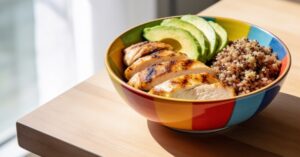
- Chicken Breast (225g) with Quinoa and avocado: ~60g protein.
- Wild-caught Salmon (200g) with Jasmine rice: ~45g protein.
- Lean ground beef (225g) with brown rice: ~50g protein.
- High-protein Chicken Pasta: ~75g protein (high-calorie option).
Practical Approaches to Rapid Meal Prep for High Protein Recipes
Time constraints are often the primary barrier to maintaining a consistent, healthy diet, but you can overcome this by adopting efficient cooking methods that allow for High Protein Dinners in under 30 minutes. By mastering simple techniques like roasting, air-frying, or utilising quick-cooking proteins, you ensure compliance with your nutritional programme without needing to spend hours in the kitchen.
Time-Saving Culinary Techniques for Protein Meals
Effective meal preparation relies on simple, high-heat methods that get the job done fast. Ever wondered if there’s a faster way to manage your nightly protein intake? Follow these steps to streamline your evening:
- Preheat your oven or air fryer to 200°C.
- Season your protein (Chicken or Salmon) with herbs and spices.
- Roast or air-fry for 8-25 minutes based on the cut.
- Serve with pre-cooked grains like microwave rice to save time.
Important: Always ensure your poultry is cooked to an internal temperature of 75°C to avoid foodborne illness while maintaining the integrity of the protein. By batch-cooking your proteins at the start of the week, you can avoid the temptation of ordering takeout. Many people wonder if taking this approach is sustainable, but from my experience, keeping a few pre-cooked Chicken Breasts in the fridge saves a lot of unnecessary stress and guarantees you always have a high-protein option ready to go.
Navigating Vegetarian High-Protein Dinner Recipes
A plant-forward approach is a highly effective way to meet your protein targets, provided you select nutrient-dense sources that offer a complete amino acid profile throughout the day. Vegetarian High Protein Dinner recipes can be both satisfying and diverse, utilising staples like Paneer, legumes, and Ricotta to achieve significant protein levels.
Maximising Plant-Based Protein Intake
You can achieve substantial protein levels through vegetarian meals such as homemade Ricotta Gnocchi with 25.9g of protein per portion or a warm Lentil and Halloumi salad providing 36.7g of protein per serving. Spicy Edamame Peanut Noodles offer 30g of protein in just 25 minutes, while Crispy Air Fryer Tofu Bowls provide 28g of protein after air-frying at 200°C for 15-20 minutes. It is vital to combine different plant sources, such as grains and legumes, if you are concerned about obtaining a full spectrum of essential amino acids, though modern research suggests that as long as your total daily intake is sufficient, your body will efficiently manage these requirements.
Budget-Friendly High Protein Dinner Ideas
Maintaining a high-protein diet is achievable on a modest budget by focusing on versatile, affordable ingredients that provide excellent nutritional value. By utilising tinned fish, eggs, beans, and certain cuts of meat, you can create a 29-Day High-Protein Dinner Plan that remains both financially sustainable and nutritionally robust.
Economic Protein Staples for Your Diet
Budget-friendly protein ingredients include beans, eggs, Chicken, and canned fish such as sardines, mackerel, and Salmon, which are excellent for health. A Salmon and Gnocchi hash provides 34.5g of protein per serving, while other cost-effective options include a Sheet Pan Chicken Bacon Ranch or Easy Crock Pot Pork Roast. Remember: Canned fish is a nutritional powerhouse often overlooked, providing essential omega-3 fatty acids alongside high-quality protein at a fraction of the cost of fresh fillets. By choosing these staples, you ensure that your health goals remain achievable regardless of your financial situation.
Frequently Asked Questions
Is it necessary to eat protein-packed dinners immediately after training?
While post-workout nutrition is important, the most critical factor for muscle gain is your total daily protein intake rather than the exact timing of your dinner. Aiming for a high-protein meal within a few hours of your workout is beneficial, but consistency throughout the day remains the primary driver of results.
Can I combine low-carb ingredients with high-protein dinners?
Yes, swapping high-carb sides for vegetables like Cauliflower or Broccoli is a great way to reduce overall calorie density while maintaining high protein levels. These combinations are particularly effective for individuals looking to manage body composition while feeling full after their evening meal.
Are there plant-based options that rival the protein content of chicken?
Certain plant-based ingredients like Tofu, Seitan, and specific lentil-based pasta varieties can offer protein levels comparable to meat when portioned correctly. Combining these with grains ensures you receive a complete amino acid profile necessary for muscle maintenance.
Does preparing One-Pot meals reduce the nutritional value of my protein?
Cooking methods like One-Pot meals generally preserve the nutritional integrity of your protein as long as you avoid extreme, prolonged heat. Using gentle cooking techniques ensures you retain the essential amino acids and micronutrients required for optimal health.
Prioritising nutrient-dense protein sources at dinner is the most reliable way to support your body’s recovery and metabolic health while you rest. Trust in the process of consistent, wholesome meal preparation, as even small, intentional changes to your evening plate will yield significant long-term benefits for your well-being.