Managing backache during pregnancy is essential for maintaining your physical well-being and daily comfort throughout this transformative period. In this guide, you will find evidence-based strategies on how to treat backache during pregnancy, including practical advice on safe home treatments and clear guidance on when to seek professional medical support. By understanding the underlying causes of your discomfort, you can take proactive, informed steps to protect your health and navigate these months with greater confidence.
The most effective way to help back pain during pregnancy involves a combination of posture correction, targeted gentle exercise, and lifestyle modifications that alleviate physical strain on the spine and pelvic region. While mild discomfort is a common pregnancy symptom, implementing these evidence-based adjustments early can significantly reduce pain and improve your overall mobility. If the pain becomes severe or persistent, always consult your midwife or GP to rule out underlying complications.
How to treat backache during pregnancy
Backache is a common experience for more than half of all expectant mothers. While it is rarely possible to completely eliminate such discomfort during pregnancy, various self-care techniques and adjustments can help manage the strain effectively.
Improving Your Posture
Maintaining correct alignment is essential for reducing spinal pressure. Avoid slouching and ensure your ears, shoulders, and hips remain in a straight line. If you must stand for extended durations, try resting one foot on a small stool, switching feet occasionally. When picking up objects, always bend at your knees rather than your waist to protect your lower back.
Supportive Equipment and Sleeping Habits
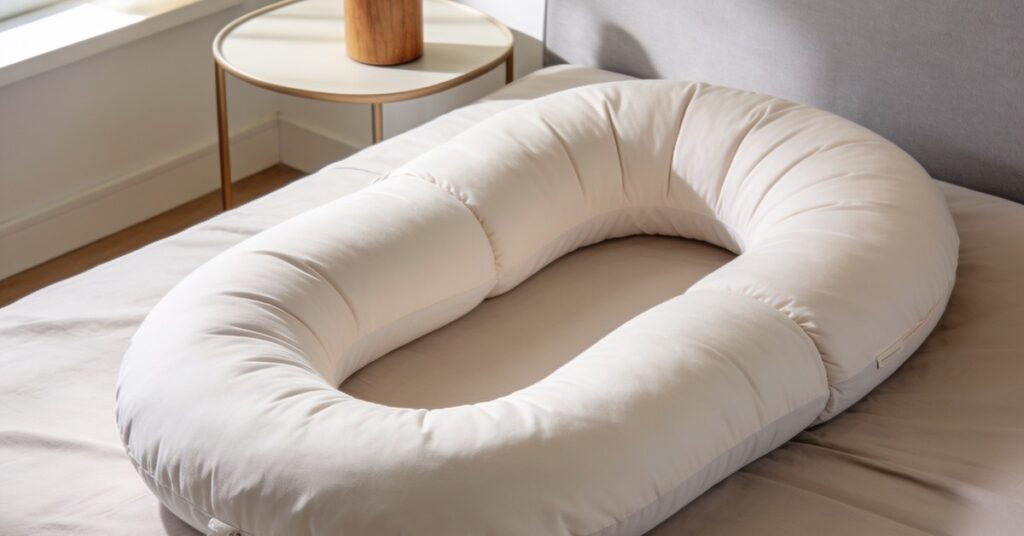
Utilising a maternity support belt, often referred to as a belly band, can assist in distributing the weight of the growing bump, thereby relieving lower back tension. Regarding rest, sleeping on your side is generally recommended. Placing a pillow between your knees helps keep your pelvis and spine properly aligned. Many find that using a full-length body pillow offers extra support for both the back and the abdomen.
Physical Activity and Movement
Engaging in regular, low-impact exercise can significantly stabilise your core. Beneficial activities include:
- Walking
- Swimming
- Prenatal yoga
- Dedicated 1-2-1 Pilates sessions
- Gentle pregnancy-safe stretches, such as the cat-cow position
Therapeutic Home Remedies
You may find relief by applying a heat or cold compress to the affected area. A warm water bottle, a low-temperature heating pad, or a wrapped ice pack applied for 10 to 20 minutes can help soothe strained muscles.
Medication and Professional Advice
Never take any medication for back pain without first consulting your midwife, GP, or obstetrician. While paracetamol (acetaminophen) is often considered the preferred option if authorised by your healthcare provider, you should generally avoid anti-inflammatory medicines such as ibuprofen. If self-care measures prove insufficient, seek a referral to a physiotherapist who specialises in prenatal care.
When to Seek Urgent Medical Attention
You should contact your healthcare provider immediately if your back pain is accompanied by any of the following symptoms:
- Fever or chills
- Vaginal bleeding
- Numbness, tingling, or muscle weakness
- Burning sensation during urination
- Sudden, intense pain
- Rhythmic cramping, which may indicate preterm labour
This information is for guidance only and does not constitute formal medical diagnosis or advice. Always prioritise the safety of yourself and your baby by discussing any management plans with your primary medical team.
Understanding the Primary Causes of Back Pain in Pregnancy
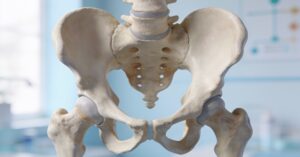
Back pain in pregnancy is primarily caused by a combination of hormonal changes and the mechanical stress of a growing uterus on your musculoskeletal system. Increased levels of relaxin and progesterone cause pelvic and lower spine ligaments to soften and stretch, which compromises spinal stability. As your baby develops, the added weight shifts your centre of gravity forward, while the stretching and separation of abdominal muscles further increase the load on your back. This structural change also exerts pressure on surrounding nerves and blood vessels, leading to chronic discomfort. It is important to remember that while these physical changes are typical, back pain can occasionally be a symptom of more serious issues, such as a urinary tract infection or the onset of preterm labour.
How to Ease Back Pain During Pregnancy at Home
You can effectively ease back pain during pregnancy at home by focusing on structural support, temperature therapy, and correct body mechanics when learning how to treat backache during pregnancy. Ever wondered if there is a simpler way to manage the daily strain? From my experience, keeping a simple diary of what triggers your pain can help you spot patterns before they become unmanageable. Consider the following adjustments to your daily routine:
- Apply a cold pack or low-heat heating pad for 15–20 minutes.
- Wear flat, supportive shoes to balance your weight.
- Use a maternity support belt to stabilise the abdomen.
- Place a piece of hardboard under a soft mattress for extra firmness.
- Take paracetamol only if advised by a Midwife or GP, following packet instructions.
Optimal Sleeping Positions to Reduce Back Pain in Pregnancy
The best way to achieve restorative sleep while managing back pain is to sleep on your left side with your knees and ankles bent. To maintain proper hip alignment, place one pillow between your knees and a second pillow under your belly for consistent support. Using a long body pillow or a U-shaped pregnancy pillow helps cradle the entire body, while a wedge pillow placed behind your back prevents you from rolling flat onto your back, which should be avoided during the later stages of pregnancy. If you suffer from heartburn, elevate your upper body with multiple pillows to reduce pressure.
| Positioning Aid | Purpose |
|---|---|
| Pillow between knees | Aligns hips and reduces pelvic strain |
| Pillow under belly | Provides essential abdominal support |
| Wedge pillow | Prevents rolling flat onto the back |
Safe Exercises to Help and Improve Posture
Regular, low-impact exercise is one of the most effective ways to help reduce back pain in pregnancy, provided you maintain correct form. If you are unsure where to start, follow this simple process to safely engage your muscles:
- Perform the cat-cow stretch 5–10 times on all fours to increase spinal mobility.
- Hold the Child’s Pose for 10 seconds, keeping knees apart to accommodate your baby.
- Complete 10–20 repetitions of side-lying leg lifts on each side to strengthen pelvic muscles.
- Use a resistance band to squeeze your shoulder blades and improve posture.
Important: Always keep your back straight and bend at the knees when lifting objects, and remember to wear flat, supportive shoes during all physical activity.
When to See a Midwife or GP Regarding Back Pain
You must contact your Midwife or GP urgently if your back pain is accompanied by red-flag symptoms such as fever, vaginal bleeding, or painful urination. It is also critical to seek immediate medical attention if you experience numbness or weakness in your legs, or if you lose feeling in your bum or genitals, in which case you should call 999 or go to A&E. If the pain persists for more than two weeks, or if you feel pain on one or more sides under your ribs, schedule a consultation with your healthcare provider.
Remember: Always consult your obstetrician or midwife before taking any pain relief medication, and ask for a referral to an obstetric physiotherapist if your backache is significantly impacting your ability to function.
Frequently Asked Questions
Is it safe to perform exercises on hands and knees?
Yes, performing movements on your hands and knees, such as the cat-cow stretch, is generally safe and highly recommended for spinal relief. Ensure you move slowly and stop immediately if you feel any sharp pain or discomfort during the movement.
How long should I apply heat or cold for pain relief?
You should limit the application of heat or cold packs to 15–20 minutes per session to protect your skin and avoid over-stimulating the nerves. Always use a thin cloth barrier between the pack and your skin to prevent thermal burns or frostbite.
Can wearing specific footwear reduce back pain?
Yes, wearing flat, supportive shoes is a crucial step in distributing your weight evenly and maintaining proper spinal alignment. Avoid high heels or completely unsupportive flip-flops, as these can exacerbate the strain on your lower back and pelvic joints.
What does it mean if I feel pain under my ribs?
Pain under your ribs can be a sign of the baby’s position or pressure, but it should always be reported to your Midwife or GP. They can assess whether the pain is related to musculoskeletal strain or if it requires a closer examination for other pregnancy-related conditions.
Staying consistent with your chosen exercises and maintaining correct posture are the most effective ways to manage discomfort throughout your pregnancy. Prioritise your physical recovery by listening to your body and consulting your healthcare provider immediately if you experience persistent or alarming symptoms.