Navigating pelvic discomfort during pregnancy is a significant concern for many expectant parents, and understanding the timing of these sensations is essential for effective health management. In this guide, you will learn exactly When Does Pelvic Pain In Pregnancy Start, how to differentiate common pregnancy changes from symptoms requiring medical attention, and practical strategies to support your daily comfort. By clarifying these timelines, we aim to provide you with the evidence-based insights needed to confidently navigate this stage of your journey.
When does pelvic pain in pregnancy start?
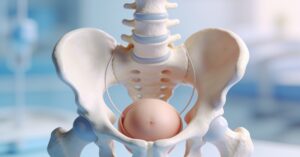
Pelvic discomfort may arise at any point during your pregnancy journey. While minor cramping or tenderness of the round ligaments can manifest during the initial trimester—typically between the sixth and fourteenth weeks—the condition most frequently encountered is Pelvic Girdle Pain (PGP). This usually presents itself between the fourteenth and thirtieth weeks as pregnancy hormones begin to relax the ligaments within the pelvis.
What is pelvic girdle pain?
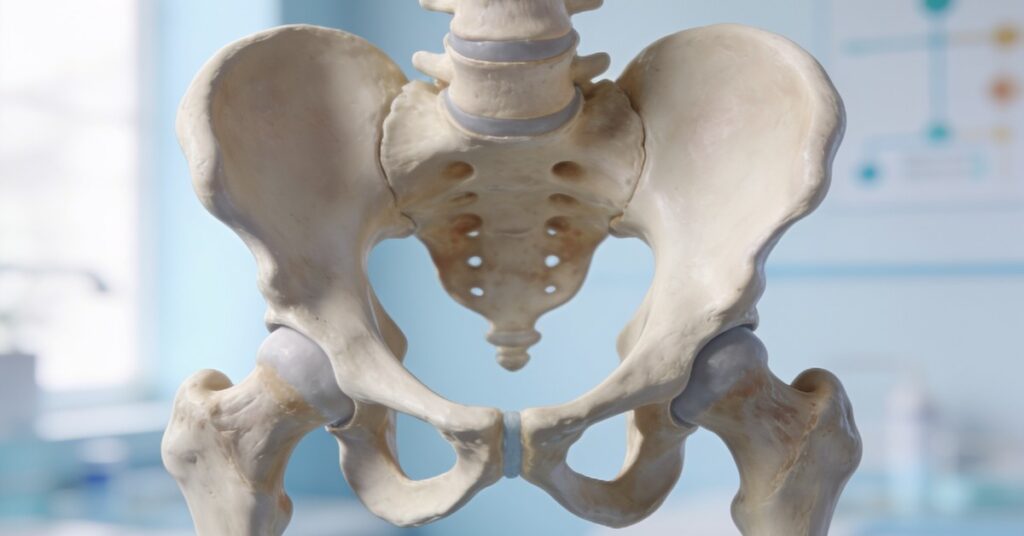
Pelvic girdle pain is defined as persistent discomfort or ache affecting the joints and bones of the pelvic region whilst carrying a child. This condition predominantly emerges when the pelvic joints shift asymmetrically, leading to diminished stability. Hormonal changes are the primary driver of this process.
Approximately one in five expectant mothers will encounter pelvic pain. Historically, this discomfort was often referred to as symphysis pubis dysfunction, although it encompasses a broader range of symptoms today.
Chronology of pelvic discomfort
Understanding the timing and characteristics of different types of pain is helpful for expectant parents:
- First Trimester (Weeks 1-13): You may notice mild cramping as the uterus begins its expansion. Additionally, sharp, transient pain in the groin, often attributed to round ligament strain, frequently commences around the fourteenth week as the supporting structures begin to stretch.
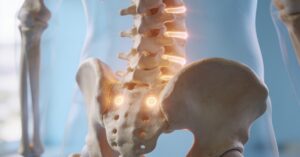
- Second Trimester (Weeks 14-27): This interval marks the most common onset of PGP. The symptoms, which stem from uneven pelvic joint movement, often manifest as a dull or sharp ache localised around the lower back, hips, and pubic bone.
- Third Trimester (Weeks 28-40+): Discomfort often escalates during these final stages due to the increasing weight of the baby. You might also encounter sudden, sharp nerve sensations known as „lightning crotch” or significant pressure on the tailbone.
Managing early pregnancy symptoms
Discomfort in the first trimester is generally associated with the body’s physical adaptation to create space for the growing foetus. Mild cramping in these early stages is very common, though it is natural to feel concerned. Should you have any anxieties regarding early pregnancy pains, it is always wise to consult your midwife or doctor to ensure everything is progressing as expected.
When to consult a healthcare professional
You should always communicate any new or escalating pelvic symptoms to your healthcare provider. Immediate medical evaluation is necessary if you experience symptoms that are constant, severe, or worsening. Furthermore, seek prompt assistance if you notice any of the following:
- Vaginal bleeding.
- Development of a fever.
- A noticeable reduction in the baby’s movements.
It is worth noting that the intensity and nature of pelvic pain vary significantly from one individual to another. While some may experience isolated discomfort on one side in the early stages, others may report more widespread sensations. Always trust your instincts and discuss your overall physical wellbeing with your obstetrician or GP throughout all stages of your pregnancy.
When Does Pelvic Pain In Pregnancy Start and What Are the Primary Causes?
Pelvic pain can begin as early as the first few weeks of pregnancy, though the intensity and nature of this sensation often change as your body evolves. While early discomfort is frequently linked to the initial stages of embryo implantation and the early expansion of the uterus, most significant Pelvic Girdle Pain reaches a peak between the 14th and 30th weeks of gestation. When Does Pelvic Pain In Pregnancy Start? It often begins subtly, but as your pregnancy progresses, the increased mechanical load on your joints becomes more apparent, requiring a proactive approach to your daily physical health. By staying informed about these developmental milestones, you gain the upper hand in managing your comfort throughout each trimester.
Is Pelvic Pain In Early Pregnancy Normal According to NHS Inform?
Pelvic pain in early pregnancy is often a normal physiological response, with approximately one in five birthing people experiencing some form of discomfort in the lowest part of the abdomen. During these initial weeks, your body undergoes significant hormonal shifts, particularly a sharp increase in progesterone levels, which can lead to common digestive challenges that mimic pelvic pain. It is important to remember that while these sensations are often benign, any severe or sharp pain should be monitored closely to ensure it is not related to more serious complications, such as an ectopic pregnancy, which represents one of the most critical causes of pelvic discomfort in the first trimester. Clinical information provided by sources like MSD Manuals and the NHS Inform guidelines confirms that early assessment is key to distinguishing between harmless uterine expansion and conditions needing urgent medical intervention.
When Does Pelvic Girdle Pain Start and How to Recognise Symptoms of PGP
Pelvic Girdle Pain, also known as symphysis pubis dysfunction, typically begins between 14 and 30 weeks of pregnancy, though some individuals may notice symptoms as early as 16 to 18 weeks. As an umbrella term for pain in the pelvic joints, PGP affects roughly one in five pregnant women. According to the 2015 POGPH guidelines, this condition is unique because it can occur at any point during the pregnancy, throughout Labour, or even persist in the weeks immediately following childbirth, requiring consistent monitoring throughout the perinatal period. Knowing When Does Pelvic Pain In Pregnancy Start is crucial, but equally important is recognising that PGP is a mechanical issue often exacerbated by the hormone relaxin, which softens your ligaments to prepare for birth. This process, while necessary for delivery, can lead to joint instability and discomfort, making it essential to adapt your physical activity to support your changing frame.
Symptoms of Pelvic Pain and When to See a Doctor
You should seek medical advice promptly if you experience pain that occurs without movement, an unexpected fever, or any signs of vaginal bleeding and fluid leaking. Common symptoms of PGP include a dull or sharp ache in the pubic area, lower back, hips, groin, thighs, or knees, often accompanied by noticeable clicking or grinding sensations in the pelvic joints. Dealing with these symptoms can be frustrating, but keeping a simple symptom diary helped many of my readers stay on top of their health narrative when speaking with their GP. If you notice a change in fetal movements, treat this as a signal to seek professional help immediately, as your baby’s well-being is the primary priority in any clinical assessment. Do not dismiss persistent, non-movement-related pain, as it serves as a key indicator that your body needs additional support or a professional review of your current management plan.
| Symptom Type | Description | Action Required |
|---|---|---|
| Mechanical PGP | Clicking/grinding in pelvic joints | Physiotherapy assessment |
| Early Cramping | Uterine expansion/implantation | Monitor for bleeding |
| Red Flag | Fever or fluid leakage | Seek urgent medical advice |
How to Relieve Pelvic Pain and Treatment of Pelvic Discomfort
Effective relief for pregnancy-related pelvic pain often involves simple but consistent changes to your daily movement and rest patterns. To reduce strain, follow these essential steps to maintain your mobility and comfort throughout the day:
- Avoid sitting or standing in one position for more than 30 minutes to prevent joint stiffness.
- Sit down when getting dressed or undressed to avoid unnecessary strain on your hips.
- Keep your knees together when turning in bed, getting out of a car, or standing up to stabilise your Pelvis.
- Use a rigid or semi-rigid pelvic support belt low around the hips for added stability during long walks or standing tasks.
Utilising Temperature Therapy and Supportive Equipment
Targeted heat or cold therapy is a highly effective, non-pharmacological method for managing persistent pelvic discomfort. You can apply ice packs for 20–30 minutes every two to three hours to reduce localised inflammation, or use a warm bath or hot water bottle for 15–20 minutes at a time to relax the surrounding musculature. These methods, when combined with mechanical support like a pelvic belt, offer a comprehensive approach to home-based symptom management that empowers you to maintain your mobility throughout the trimester. From my experience, staying consistent with these small adjustments—rather than waiting for the pain to become unbearable—is the most effective way to keep your discomfort levels manageable.
Exercises to Manage Pelvic Pain During Pregnancy
Strengthening the muscles surrounding the Pelvis, back, and hips is the most sustainable way to manage and prevent the progression of pelvic pain. You can perform clamshells by lying on your side and opening your knees while keeping your feet together, aiming for 10 to 15 repetitions per side with knees and hips bent at 90 degrees. Adductor squeezes are equally beneficial; simply squeeze a small ball or a firm pillow between your knees for five seconds, repeating this movement ten times to engage the inner thigh muscles that support the pubic symphysis. These exercises are not just about strength; they are about providing your joints with the muscular corset they need to handle the extra weight of pregnancy.
Advanced Movement Patterns for Core and Pelvic Support
Maintaining a routine of gentle, controlled movements can significantly improve your pelvic floor stability and overall comfort. Use a gym ball to perform pelvic circles or figure-eight motions to encourage hip mobility, or try wall mini-squats by sliding down a wall until your knees are bent at a 90-degree angle to strengthen your glutes and quads. For those focusing on core stability, pelvic tilts—performed while sitting on a birthing ball, kneeling, or standing—allow you to rock the pelvis forward and backward safely. Additionally, performing seated Kegels with a towel between your legs can provide the necessary feedback to ensure you are effectively engaging your pelvic floor muscles to support the weight of your growing uterus. Always ensure your movements are slow and controlled; this is not a time for high-impact training, but rather for building a resilient foundation for your body.
When Does Pelvic Pain Go Away After Pregnancy?
Most Pelvic Girdle Pain typically resolves within one month after birth, although for approximately one in ten individuals, the discomfort may persist for three to eight months, requiring ongoing management. Localised healing of mild pelvic pain usually occurs within two weeks, while the pain associated with perineal tears and stitches generally subsides within 7 to 14 days. It is also common for stomach muscle separation, known as diastasis recti, to return to normal by 8 weeks postpartum; however, if you find that any pelvic joint or girdle pain persists beyond your 6 to 8-week postnatal checkup, you should consult your doctor to rule out underlying issues and discuss tailored physiotherapy options. Postpartum recovery is a gradual process, and your patience with your body’s healing timeline is just as important as the exercises you perform to regain your strength.
Important: Any labour-related pelvic pain before 37 weeks of gestation requires immediate medical advice. Always prioritise your baby’s movements and your own physical safety over home-based exercise routines if you notice any sudden changes.
Frequently Asked Questions
Is it safe to use over-the-counter pain relief for pelvic discomfort?
You should always consult your GP or midwife before taking any medication, as not all pain relief options are suitable during pregnancy. They can advise on the safest choices based on your specific medical history and the severity of your symptoms.
Can pelvic girdle pain affect my choice of birth position?
Yes, it may influence your preferences, as certain positions can place more strain on an unstable Pelvis. Discussing your comfort needs with your birthing partner and medical team in advance allows you to plan positions that minimise joint stress during Labour.
Do I need an X-ray to diagnose pelvic girdle pain?
No, a diagnosis is typically made through a clinical examination by a physiotherapist or midwife who assesses your movement and symptoms. Imaging is rarely required during pregnancy as it does not change the management plan and is generally avoided to protect the baby.
Will pelvic pain return in a subsequent pregnancy?
It is possible to experience PGP again in future pregnancies, but early intervention can significantly mitigate the severity of symptoms. Engaging in core and pelvic floor strengthening exercises well before conception or early in the first trimester is highly recommended for preventative support.
Managing pelvic discomfort is most effective when you combine gentle, stability-focused exercises with consistent physical adjustments to your daily routine. Always listen to your body, and remember that seeking early professional guidance is the best way to ensure both you and your baby stay healthy throughout this journey.