Noticing a yellow tint in your newborn’s skin or eyes can be a source of significant worry for any parent, but understanding the signs and symptoms of jaundice in newborn infants is essential for ensuring your baby receives the right care at the right time. In this guide, I will provide you with evidence-based insights on how to identify these clinical indicators, when to seek urgent medical attention, and what to expect during the diagnosis and treatment process. By learning these practical details, you can feel more confident and prepared to manage your baby’s health effectively during these crucial first weeks.
Symptoms of jaundice in newborn
Overview of Neonatal Jaundice
Infant jaundice manifests as a yellow discolouration of a newborn’s skin and the whites of their eyes. This condition arises due to an accumulation of bilirubin, a pigment typically processed by the liver. While frequently observed in newborns, it is essential for parents to monitor the progression of these symptoms closely.
Identifying the Signs
You can perform a simple check by gently pressing on the infant’s nose or forehead in a well-lit environment. If the skin appears yellow at the pressure point, jaundice may be present. Key locations where this yellowing typically occurs include:
- The sclera, or the white parts of the eyes, which often provide the clearest indication, particularly in babies with darker skin tones.
- The face and scalp, which is usually the initial site of discolouration.
- The torso, moving downwards to the stomach, arms, and legs as bilirubin levels increase.
- The palms of the hands and the soles of the feet in more advanced cases.
- Inside the mouth or beneath the tongue, where a yellow tint may be discernible.
When to Seek Medical Assistance
If bilirubin levels rise excessively, more concerning symptoms may develop. It is vital to consult a healthcare professional immediately if you observe any of the following:
- Extreme lethargy, where the infant appears unusually limp, excessively sleepy, or is difficult to rouse.
- Difficulty with feeding, such as a weak suck, trouble latching, or a lack of interest in nursing or bottle-feeding.
- Cries that sound uncharacteristically high-pitched.
- Changes in bodily waste, specifically dark, yellow urine or stool that is pale or chalk-coloured.
Professional Guidance
Mild jaundice is common and often clears without intervention. However, you must contact your GP, midwife, or health visitor if:
- The yellowing is first detected within the initial 24 hours after birth.
- The jaundice persists beyond two weeks for full-term babies, or three weeks for those born prematurely.
- The intensity of the yellow discolouration progresses rapidly.
Identifying Neonatal Jaundice: Common Signs and Symptoms
The primary symptom of neonatal jaundice is the yellowing of the skin, which typically begins on the face and head before progressing downwards to the rest of the body. You should also look for a yellowing of the sclera, which are the whites of your baby’s eyes, as this is often one of the earliest and most reliable indicators of the condition. Monitoring these symptoms of jaundice in newborn infants requires a keen eye and a calm, methodical approach to ensure early detection.
To perform a practical check at home, use this step-by-step approach to ensure you do not miss anything while observing your child’s physical changes:
- Find a room with bright natural light or use a high-quality lamp to inspect the skin properly.
- Gently press your finger on the tip of the baby’s nose or forehead and release; if the skin looks yellow instead of white, it is a clear sign of jaundice.
- Check the gums, inside the cheeks, and under the tongue for a yellow hue that might be hidden by skin pigmentation.
- Monitor the nappy for dark yellow, brown urine or pale, creamy-coloured stools, as these waste patterns are key clinical signs that bilirubin levels may be elevated.
Distinguishing Between Physiological Jaundice And Pathological Causes
Physiological jaundice is the most common form of the condition, typically appearing two to three days after birth and resolving within one to two weeks, whereas pathological jaundice appears within the first 24 hours of life and requires immediate clinical evaluation. Ever wondered how to tell if it is just a normal phase or something more serious? I have found that categorising the onset and the speed of progression is the most reliable way to differentiate between a simple transition and a medical emergency.
| Feature | Physiological Jaundice | Pathological Jaundice |
|---|---|---|
| Onset | 2-3 days after birth | Within 24 hours |
| Bilirubin rise | Gradual | >5 mg/dL per day |
| Spread | Face and eyes only | Palms and soles |
| Duration | 1-2 weeks | >2 weeks (full-term) |
Recognising Red Flags And The Causes Of Jaundice In Babies
Severe neonatal jaundice is characterised by symptoms that extend beyond simple skin discolouration, such as the appearance of yellowing within the first 24 hours of life, involvement of the palms and soles, and the presence of dark, tea-coloured urine or pale, chalk-coloured stools. It is vital to observe your baby for behavioural changes, as severe cases often present with lethargy, unusual sleepiness, or significant difficulty in waking the infant for feedings. Recognising these specific symptoms of jaundice in newborn babies is an essential responsibility for every caregiver, as early identification often prevents the need for invasive procedures.
Important: If you notice high-pitched crying, muscle stiffness, or your baby’s body arching backwards, treat this as a medical emergency and seek professional help immediately. These neurological red flags suggest that bilirubin levels have reached a point where they could impact the brain, and waiting even a few hours is not an option when the safety of your child is at stake.
When To Seek Urgent Help For Prolonged Jaundice
You should contact a healthcare professional immediately if you notice jaundice appearing within the first 24 hours of birth or if the yellowing spreads to the belly, arms, legs, palms of hands, or soles of feet. Dealing with these symptoms can be stressful, but I found that keeping a simple symptom diary helped me track progress and provided my GP with clear, actionable data during our consultations, ensuring we made decisions based on facts rather than just anxiety.
- Call 999 or go to A&E if the baby is under 24 hours old.
- Seek urgent care if the temperature is 38°C or more, or 36°C or less.
- Consult a doctor if stools are pale or urine is dark/brown.
- Ensure the baby is checked by a professional within the first 5 days of life.
Effective Treatment For Jaundice And How To Feed Your Baby
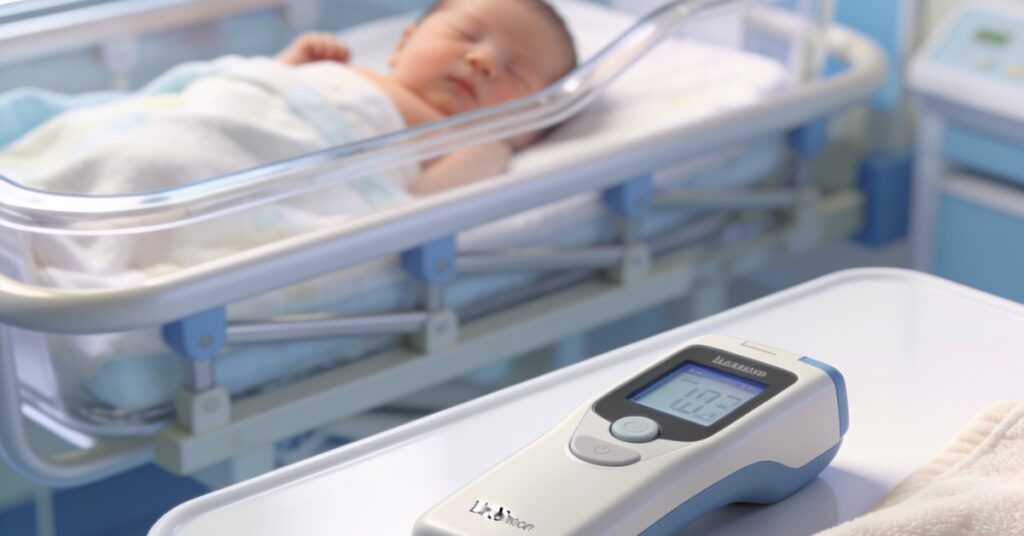
Jaundice is diagnosed and managed through a combination of visual examinations, which should start 24 to 48 hours after birth, and more precise clinical assessments. Doctors often use a handheld bilirubinometer or a heel-prick blood test to confirm the total serum bilirubin (TSB) levels and determine the appropriate course of action, following the established NICE Guideline CG98.
When discussing the treatment plan with your paediatrician, consider asking these questions to better understand the clinical path forward:
- What is the current TSB level and how does it compare to the reference range?
- Is phototherapy required, or can we manage this with increased feeding frequency?
- Are there any specific signs of blood-type incompatibility we should monitor?
- How often should we return for a follow-up blood test to track the decline?
Understanding Complications And The Risk To Your Newborn
Untreated severe jaundice can lead to dangerous complications because excessive bilirubin is toxic to the developing nervous system. The most serious risks include Bilirubin Encephalopathy and Kernicterus, both of which can result in permanent brain damage or bilirubin-induced neurologic dysfunction (BIND). These conditions are associated with long-term developmental challenges, including cerebral palsy, hearing loss, and cognitive developmental delays.
In extreme instances, an infant may suffer from seizures or fall into a coma if high bilirubin levels remain unaddressed. Because these outcomes are preventable through early detection and modern medical interventions, it is crucial to take any sign of persistent or severe jaundice seriously and act upon professional medical advice immediately.
Frequently Asked Questions
Can jaundice be prevented by changing my diet?
No, jaundice in a newborn is not directly influenced by the mother’s diet, as it relates to the infant’s liver function and the breakdown of red blood cells. Focus instead on frequent feeding to ensure your baby produces enough waste to clear bilirubin from their system.
Is it safe to breastfeed if my baby has jaundice?
Yes, you should continue to breastfeed, as it is the best source of nutrition for your infant. If your doctor suspects breast milk jaundice, they will guide you on whether to adjust feeding frequency or if any temporary clinical intervention is required.
How does the NHS approach jaundice screening?
The NHS recommends that all newborns are inspected for jaundice within 72 hours of birth as part of the routine newborn physical examination. If jaundice is suspected, healthcare providers follow strict protocols to measure bilirubin levels and initiate treatment if necessary.
What if the jaundice does not go away after three weeks?
If jaundice persists beyond three weeks in a premature baby or two weeks in a full-term infant, it is classified as prolonged jaundice and requires a medical review. Your doctor will likely perform blood tests to rule out underlying liver or gallbladder conditions that may need specialist care.
Your vigilance and quick action are the best tools you have to ensure your baby’s health during these early days. Always trust your instincts and consult a healthcare professional immediately if you notice any changes that concern you.