
Managing the persistent, dull ache of a Tension Type Headache NHS is essential for maintaining your daily well-being and long-term health. In this article, you will learn to accurately identify your symptoms, understand potential triggers, and discover evidence-based strategies to manage pain while knowing exactly when to seek professional medical advice. By following these practical insights, you can take a proactive, informed approach to regaining control over your comfort and health.
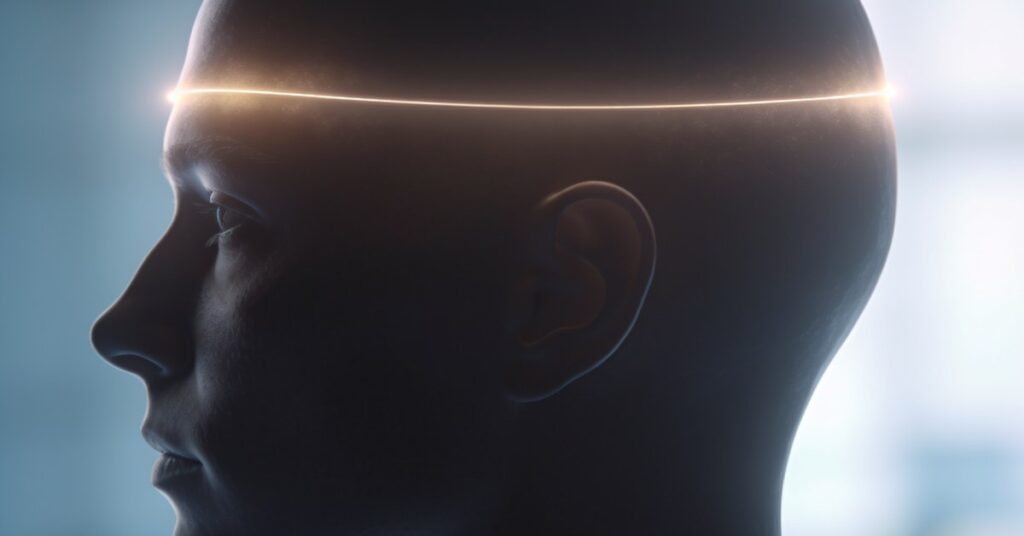
A Tension Type Headache NHS is the most common form of headache, typically manifesting as a constant, dull ache that affects both sides of the head. It is generally characterised by a sensation of a tight band being stretched around the forehead or a pressing, tightening feeling that ranges from mild to moderate in intensity.
Identifying Tension-Type Headache Symptoms And Distinguishing From Migraine
You can recognise a tension-type headache by its characteristic constant, bilateral ache and the feeling of pressure around the forehead, often accompanied by a mild sensitivity to light or sound. Ever wondered if there is a faster way to tell the difference between a standard headache and a Migraine?
| Feature | Tension-type Headache | Migraine |
|---|---|---|
| Pain Quality | Dull, constant pressure | Throbbing or pulsing |
| Location | Both sides of the head | Often one-sided |
| Associated Symptoms | Mild light/sound sensitivity | Nausea, vomiting, severe sensitivity |
| Typical Duration | 30 mins to 7 days | Usually 4 to 72 hours |
Common Causes Of Headache And Lifestyle Triggers
Tension-type headaches are primarily triggered by lifestyle factors and physical stressors, including high levels of stress, persistent tiredness, and sleep problems. Other common contributors include poor posture, particularly for those working at a desk, as well as dehydration, skipping meals, and a high intake of caffeine-containing drinks like tea, coffee, and cola.
It is also crucial to recognise that the overuse of painkillers can paradoxically cause a Medication Overuse Headache, creating a cycle of recurring pain. Dealing with these symptoms can be frustrating, but keeping a simple symptom diary helped me stay on top of things and identify my specific triggers.
Practical Self-Care For Tension Type Headache NHS Management
The most effective immediate relief for a Tension Type Headache NHS involves using over-the-counter medications such as paracetamol, aspirin, or ibuprofen, provided you follow safety guidelines. Paracetamol is the recommended first choice for pregnant individuals, while aspirin must never be given to children under the age of 16.
Important: Do not take painkillers for headaches more than two days a week on average to avoid the risk of Medication Overuse Headache.
- Apply a heat or cold pack to your head or neck to soothe muscle tension.
- Ensure you stay hydrated by drinking 6 to 8 glasses of fluid daily.
- Use a single, firm, low pillow to support your neck while sleeping.
- Cut down on caffeine-containing drinks to stabilise your nervous system.
Strategies For Long-Term Tension Headache Prevention
Preventing tension-type headaches effectively requires a combination of lifestyle adjustments, such as taking regular breaks if you work at a desk and practising relaxation techniques like yoga, breathing exercises, or massage. For persistent cases, a GP may suggest a course of 10 acupuncture sessions over a period of five to eight weeks or prescribe a low-dose preventative medication such as Amitriptyline.
When To Refer To A GP Or Primary Care Professional
You should see a GP if your headaches are severe, if they occur several times a week, or if you find that standard painkillers and relaxation activities no longer provide relief. It is also important to consult a professional or a Pharmacist if you need to rely on headache medication more than twice a week.
Contact your GP practice urgently if you experience any of the following „red flag” symptoms:
- A high fever or constant vomiting with no apparent reason.
- Feeling more confused than usual.
- A red eye or sudden changes in your vision.
- A headache accompanied by significant eye problems.
Frequently Asked Questions
How long does a typical tension-type headache last?
A tension-type headache usually lasts for at least 30 minutes, though it can persist for up to seven days in some cases. It is defined by this relatively long duration compared to shorter, sharp headache types.
Can I take painkillers every day to stop the pain?
No, you should not take painkillers for headaches more than two days a week on average, as the overuse of these medications can trigger a cycle of recurring, persistent headaches. Frequent reliance on medication can often worsen the underlying issue over time.
What should I do if my eyes become red or my vision changes?
If you experience a headache along with vision problems or a red eye, this is not typical of a tension-type headache and requires urgent medical attention. Please call NHS 111 immediately to speak with a healthcare professional regarding these concerning symptoms.
Are tension-type headaches considered contagious?
No, they are not contagious; they are primary headaches linked to factors like stress, lifestyle habits, and muscle tension. You cannot spread these headaches to others through physical contact or proximity.
Managing your health effectively starts with consistent lifestyle habits and avoiding the trap of medication overuse. By identifying your specific triggers and knowing when to seek professional support, you can regain control and significantly improve your daily comfort.