
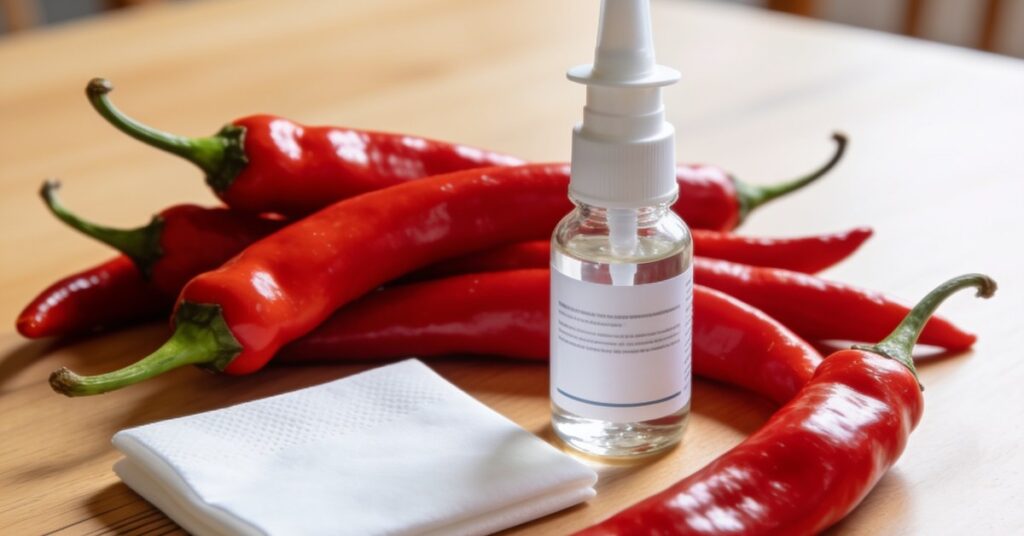
Experiencing a persistent runny nose during meals is a common concern that can disrupt your daily comfort, yet it is a condition we can effectively navigate with the right knowledge. In this article, you will discover the science behind this reaction, how to distinguish it from allergies, and practical, evidence-based strategies to manage your symptoms and enjoy your meals with confidence. By understanding these physiological triggers, you can take proactive control of your nasal health and improve your overall well-being.
Many individuals frequently wonder, „Why Does My Nose Run When I Eat?” and the answer is usually found in a condition known as Gustatory Rhinitis, which is a non-allergic, nerve-based response to specific foods. When you consume certain hot or spicy items, your body triggers a reflex that dilates blood vessels in the nasal passages, leading to a temporary, watery discharge that usually resolves shortly after your meal concludes. This specific type of nonallergic rhinitis is the medical term for a runny nose that occurs specifically in relation to eating, and understanding why it happens is the first step toward effective management.
Why does my nose run when I eat?
Understanding Gustatory Rhinitis
Experiencing a runny nose during or immediately after a meal is a relatively common and benign physiological response known as gustatory rhinitis. This condition is categorised as a form of non-allergic rhinitis, meaning it does not stem from an immune system reaction or an allergy, but rather from a hyperactive nerve reflex.
The Biological Mechanism
The primary driver behind this occurrence is the trigeminal nerve, which provides sensation to your face. When you consume food, particularly items that are spicy or warm, they serve as potent stimuli for this nerve. Once activated, the trigeminal nerve sends signals to the autonomic nervous system, which subsequently instructs the nasal glands to increase mucous production. Essentially, your body is misinterpreting the sensory input from your meal as an irritant that needs flushing out.
Key Insights into Nasal Reactions
- Common Triggers: While any food can potentially cause this reaction, it is most frequently associated with hot temperatures or intense flavours, such as chillies, garlic, vinegar, and aromatic soups.
- Distinction from Allergies: Unlike allergic rhinitis, which is caused by environmental triggers such as pollen or pet dander, gustatory rhinitis is strictly related to the act of eating and the chemical properties within food.
- Demographics: Although this can manifest at any stage of life, it is notably prevalent in individuals over the age of 50. This is thought to be due to increased sensitivity of the nerves within the nasal cavity as one ages.
- Management Approaches: In most cases, the symptom is transitory and subsides once the meal is finished. For those who find it particularly troublesome, identifying and limiting specific culinary triggers or consulting a professional about preventative nasal sprays may be effective.
Differential Diagnoses
While gustatory rhinitis is a frequent explanation, various other factors can contribute to nasal congestion or discharge. These may include vasomotor rhinitis, which is often triggered by changes in ambient temperature or humidity, or underlying allergic rhinitis. If you are concerned about persistent symptoms, it is advisable to seek guidance from a medical practitioner to ensure an accurate diagnosis.
Please note: The information provided above is for educational purposes only and does not serve as a clinical diagnosis or medical advice. Always consult with a healthcare professional regarding any health concerns.
Understanding Gustatory Rhinitis As A Type Of Rhinitis
Gustatory Rhinitis is a medical term for a specific type of non-allergic rhinitis characterized by watery rhinorrhea triggered by the ingestion of hot or spicy foods. Unlike traditional allergic reactions, this condition does not involve an immune system response, meaning you will typically not experience itching, hives, or systemic symptoms like those found in true food allergies. When you research Why Does My Nose Run When I Eat, you are likely looking for this specific physiological explanation that separates a simple nerve reflex from an immune-mediated disease. Rhinitis is broadly defined as the inflammation of the mucous membrane inside the nose, and when it is not caused by an allergen like pollen, dust mites, or dander, it is classified as non-allergic rhinitis.
The Biological Mechanism Behind A Runny Nose
The core mechanism of Gustatory Rhinitis involves the activation of the trigeminal nerve within the nasal mucous membranes, which is often stimulated by capsaicin—the active chemical compound found in chili peppers and wasabi. This nerve activation causes the dilation of blood vessels in the nose and the subsequent production of excess mucus. As an individual ages, this condition often becomes more frequent and intense, representing a common, albeit bothersome, physiological change in the nasal response to sensory input. This nerve-based reaction is essentially a misfiring of the nerves in your nose, mistaking the heat or spice for an irritant that needs to be flushed out of the nasal cavity. Understanding that this is a neurological reflex rather than an immune reaction helps clarify why standard allergy medications often fail to provide relief.
Identifying Triggers That Cause A Runny Nose While Eating
You can identify Gustatory Rhinitis by noticing symptoms such as a runny nose, nasal congestion, nasal swelling, sneezing, watery eyes, postnasal drip, and a mild cough that occurs during or immediately after eating. It is important to note that this condition is also referred to as Vasomotor Rhinitis, and symptoms tend to subside soon after the meal is finished. Many patients often ask why does my nose run when i eat even when the food is not particularly spicy, which highlights that even temperature or acidity can act as a trigger. In the field of otolaryngology, medical professionals note that many foods trigger this response, including acidic items like vinegar or even just the temperature of hot beverages.
| Trigger Category | Examples of Trigger Foods |
|---|---|
| Spicy Food | Chili peppers, hot sauce, curry, cayenne, spicy dishes |
| Strong Condiments | Horseradish, mustard, garlic, ginger, vinegar |
| Other Factors | Hot beverages, alcohol, black pepper, hot or spicy |
Management And Treatment For A Runny Nose
You can effectively manage symptoms by utilizing specific nasal therapies and adjusting your daily eating habits. From my experience, keeping a simple symptom diary helped me identify exactly which dishes were the worst offenders, allowing me to plan my meals more effectively and avoid those mid-meal interruptions that can be quite embarrassing in social settings. If you are getting a runny nose every time you dine out, it is time to look at the management and treatment options available to you.
- Use Ipratropium Bromide nasal spray 20 to 60 minutes before eating to block nerve signals that trigger a runny nose.
- Perform a saline rinse using a neti pot to clear passages before sitting down to eat, which helps reduce nasal congestion.
- Adjust your food temperature to avoid the immediate trigger of intense heat, which is a primary way to prevent Gustatory Rhinitis.
- Chew food thoroughly and take smaller bites to pace your sensory intake and reduce the intensity of the nerve stimulation.
Lifestyle Adjustments For Hot Or Spicy Food Sensitivity
You can reduce the severity of your symptoms by consuming hot beverages and dishes only after letting them cool slightly, as heat is a major catalyst for the trigeminal nerve response. Furthermore, making a conscious effort to avoid or limit trigger foods—such as chili peppers, wasabi, horseradish, and alcohol—is often the most effective way to prevent the onset of symptoms during your daily meals. It is vital to maintain a balanced diet while making these adjustments, ensuring you do not simply cut out nutritious foods without finding suitable, less irritating alternatives that still provide the flavor profiles you enjoy. Avoiding trigger foods is a foundational pillar for anyone dealing with this condition.
When To Consult A Doctor For A Runny Nose
You should consult a doctor if your symptoms happen during most meals, impact your quality of life, or if they are consistently bothersome and persist regardless of dietary changes. If you are uncertain about the cause of your nasal issues, a healthcare provider can help determine the cause, differentiating between Gustatory Rhinitis and other conditions like idiopathic or Vasomotor Rhinitis. Sometimes, what feels like a simple runny nose could be masked by other underlying conditions like nasal polyps or mixed rhinitis, which require professional evaluation to rule out more complex issues.
Recognising Emergency Symptoms And Allergy Risks
You must seek immediate emergency medical care if you experience symptoms indicative of a severe allergic reaction rather than Gustatory Rhinitis, such as swelling of the face, lips, tongue, or throat. If your symptoms do not quickly subside or if you have concerns about an acute reaction, contact NHS 111 for professional advice to ensure your safety. It is crucial to distinguish between a harmless nerve reflex and true food allergies, which can cause systemic issues including difficulty breathing, wheezing, dizziness, fainting, a rapid heart rate, or the sudden appearance of hives and severe itching.
Does Nonallergic Rhinitis Cause A Runny Nose After Eating?
Nonallergic Rhinitis, specifically the subtype known as Gustatory Rhinitis, is a well-documented cause of a runny nose after eating that does not stem from an immune system reaction. While standard antihistamines are generally ineffective for this condition because it is a nerve-based response rather than an allergic one, understanding the trigger allows for targeted management. Other non-food triggers of Vasomotor Rhinitis that may exacerbate your condition include stress, exercise, and sudden changes in weather, which should be monitored alongside your dietary habits to gain a full picture of your nasal health and nose and throat comfort.
Frequently Asked Questions
Can cold weather trigger the same symptoms as spicy food?
Yes, temperature changes can act as a trigger for Vasomotor Rhinitis, which shares similar mechanisms with Gustatory Rhinitis. Cold air can cause the nasal blood vessels to dilate, leading to a runny nose even in the absence of food, which is why some people find their nose runs every time they step outside in winter.
Is it possible to develop Gustatory Rhinitis later in life?
Yes, this condition often becomes more frequent and intense as individuals age, as the nerves in your nose become more sensitive to sensory stimuli. It is a common physiological change, and many people who never had issues in their youth find they develop this sensitivity as they grow older.
Why are antihistamines ineffective for this type of rhinitis?
Antihistamines target the histamine response associated with Allergic Rhinitis, whereas Gustatory Rhinitis is a nerve-based reflex triggered by capsaicin or temperature. Because there is no immune system activation or allergen-antibody interaction, these medications generally fail to provide relief for this specific condition.
Are there permanent solutions for chronic nasal running while eating?
While there is no permanent cure, long-term management through lifestyle modifications and the use of Ipratropium Bromide is highly effective at stopping the nose from running during meals. Many people find that by strictly identifying and avoiding their personal trigger foods, they can significantly reduce the frequency of their symptoms and enjoy a better quality of life.
Utilising Ipratropium Bromide as a targeted preventative measure is the most effective way to manage these symptoms and reclaim the comfort of your meals. Remember that you are not alone in this, and identifying your specific triggers is a powerful step toward managing your nasal health with confidence.