
Waking up with a bitten tongue is more than just a painful nuisance; it is a clinical signal that your body’s nocturnal rest is being interrupted by underlying factors like bruxism or a sleep disorder. In this article, you will discover the evidence-based causes behind these involuntary movements and learn practical, actionable strategies to protect your oral health and restore the quality of your sleep. By understanding these diagnostic indicators, you can take the necessary steps to manage your symptoms effectively and discuss a targeted treatment plan with your healthcare provider.
Tongue bite during sleep
Understanding Night-time Tongue Biting
Accidentally biting your tongue whilst asleep is frequently attributed to sleep bruxism, commonly known as teeth grinding, or respiratory issues such as obstructive sleep apnoea. In some instances, it may also be linked to an improperly aligned bite or specific neurological conditions, including nocturnal seizures or involuntary facial muscle contractions.
Bruxism remains the most prevalent cause of this condition, estimated to impact between 8 and 13 per cent of the adult population. The physical force exerted during teeth grinding or clenching can easily impact the tongue. Furthermore, those suffering from sleep-disordered breathing may find that their jaw clenches as a result of airway obstruction.
Potential Causes and Contributing Factors
Several diverse factors can lead to tongue trauma during the night. These may include:
- Bruxism: The repetitive grinding or clenching of teeth.
- Obstructive Sleep Apnoea: Breathing interruptions that often trigger jaw tension.
- Misaligned Teeth: An abnormal bite pattern that places the tongue at risk.
- Nocturnal Seizures: Neurological episodes that can cause sudden, involuntary muscle spasms.
- Medication Side Effects: Certain drugs, particularly antidepressants, can induce involuntary muscle activity.
- Stress and Anxiety: Heightened psychological tension is a major driver of teeth grinding.
- Rhythmic Movement Disorders: Involuntary repetitive movements during sleep.
Recommended Steps for Relief and Prevention
If you find yourself frequently biting your tongue, it is important to address the root cause to protect your oral health. Consider the following strategies:
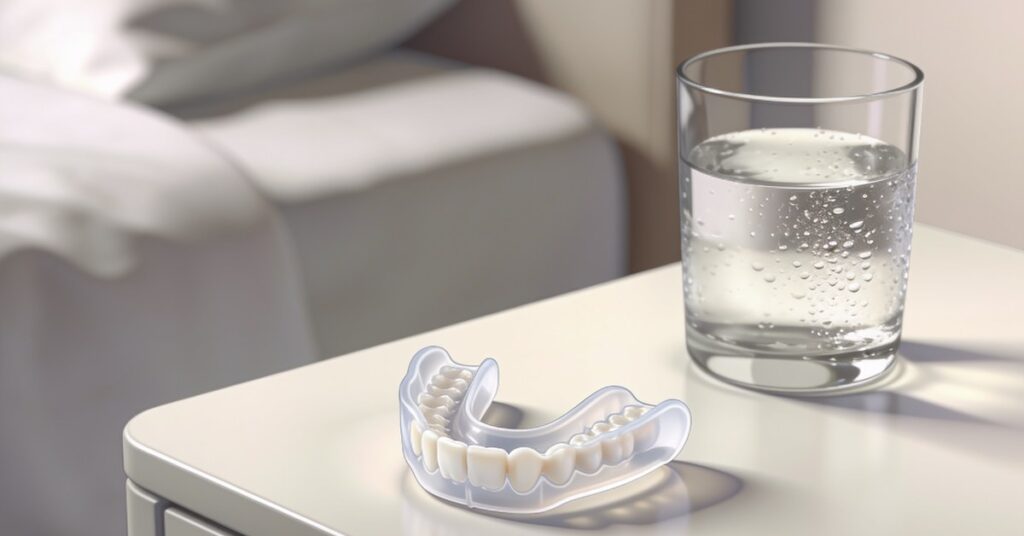
- Consult a Dentist: A professional can assess your bite and provide a bespoke dental night guard. This device creates a protective physical barrier, preventing your teeth from making contact with your tongue.
- Investigate Sleep Apnoea: If you suffer from excessive daytime fatigue, chronic snoring, or wake up frequently gasping for air, seek a medical evaluation to rule out sleep apnoea.
- Prioritise Stress Management: Incorporate relaxation techniques into your evening routine, such as guided meditation, gentle jaw exercises, or the application of warm compresses to decrease muscle tension.
- Review Pharmaceuticals: Speak with your GP if you suspect that your current medication is contributing to muscle activity or jaw clenching.
- Consult a Neurologist: If you often wake up feeling confused, experience muscle soreness, or notice bite marks on the sides of your tongue, seek a specialist opinion to rule out nocturnal seizures.
Healing and Aftercare
Should you experience an injury, it is essential to manage the area carefully whilst it heals. Maintain oral hygiene by gently rinsing your mouth with a warm salt-water solution. During the healing process, it is advisable to avoid spicy, acidic, or extremely hot food and drinks, as these can exacerbate discomfort and irritate the affected tissue.
Disclaimer: Please note that this information is provided for educational purposes only and does not serve as a substitute for professional medical advice, diagnosis, or treatment. Always seek the guidance of a qualified medical or dental practitioner regarding any health concerns.
The Immediate Reality of Tongue Biting During Sleep
Tongue biting during sleep is primarily caused by involuntary jaw movements, muscle spasms, or anatomical obstructions that occur when the protective mechanisms of your jaw are compromised during rest. For most individuals, this phenomenon is not an isolated event but a clear indicator of an underlying condition such as sleep bruxism, obstructive sleep apnoea, or neurological factors that trigger erratic motor activity. Addressing this issue promptly is essential to prevent chronic oral trauma, potential infection, and long-term damage to the delicate tissues of the tongue.
Common Causes of Tongue Biting and Muscle Spasms
The causes of tongue biting during sleep are diverse, ranging from common dental habits to complex neurological conditions that require medical oversight. Sleep bruxism is a primary cause, affecting 8 to 13 percent of adults, which involves the unconscious grinding or clenching of teeth that can often lead to the tongue being trapped between the dental arches. Furthermore, pharmacological factors cannot be ignored, as the use of antidepressants, antipsychotics, or stimulants can act as medication side effects that disrupt normal jaw muscle regulation during the night.
Beyond behavioural and chemical triggers, physiological and systemic conditions play a significant role in nocturnal tongue injury. Obstructive sleep apnoea (OSA) frequently triggers sudden jaw jerks as the body attempts to reopen the airway, which can inadvertently cause tongue entrapment. Additionally, rare but significant health challenges such as Lyme disease, REM Sleep Behaviour Disorder, hypnic myoclonia, sporadic geniospasm, and faciomandibular myoclonia are known to cause the involuntary muscle spasms that result in these painful nocturnal bites.
Is Tongue Biting in Your Sleep a Sign of Epilepsy?
While tongue biting is a recognised symptom of epilepsy, it is not an exclusive indicator, as many non-epileptic conditions can manifest with similar jaw movements. Nighttime seizures are a common cause of tongue biting, and clinicians often look for lateralised tongue biting, which has a high prediagnostic probability of being a direct consequence of an epileptic event.
Distinguishing between epilepsy and other movement disorders is a critical part of the diagnostic process, as sleep-related faciomandibular myoclonus (SRFMM) can present with isolated tongue biting and is frequently misdiagnosed as epilepsy. To clarify these distinctions, researchers have compiled various case studies to help medical professionals better identify the specific patterns of jaw spasms that differentiate these conditions from seizure activity. This professional verification is essential for patients, as misdiagnosis can lead to unnecessary pharmacological intervention when the actual cause is a mechanical or simple myoclonic issue.
Recognising the Symptoms of Biting Tongue While Sleeping
You can recognise if you are suffering from nighttime tongue biting by observing specific physical signs on your tongue and monitoring how you feel immediately upon waking. Clinical symptoms often manifest as morning tongue soreness, visible swelling, or the presence of scalloped edges along the sides of the tongue where the teeth have repeatedly made contact.
| Symptom/Indicator | What to look for |
|---|---|
| Tongue Appearance | Scalloped edges, swelling, or lacerations |
| Morning Pain | Dull headaches or earaches |
| Jaw Status | Stiffness or „locked” feeling upon waking |
Practical Steps to Prevent Tongue Biting
Ever wondered if there’s a faster way to manage this? You can effectively stop biting your tongue at night by implementing a combination of mechanical protection and stress-reduction techniques that help your jaw stay relaxed. From my experience, keeping a simple symptom diary helped me identify that my biting was worse on high-stress days, allowing me to adjust my evening routine accordingly.
- Wear a high-quality night guard to create a physical barrier.
- Practice deep breathing or meditation to reduce nocturnal jaw tension.
- Chew sugar-free gum during the day to exercise and relax jaw muscles.
- Get evaluated for sleep apnoea if you wake up gasping or feeling unrefreshed.
Professional Treatment to Stop Biting Your Tongue
Professional treatment for tongue biting focuses on addressing the root cause, whether it be a dental misalignment, a breathing disorder, or a neurological trigger. Use of dental mouthguards is often the first line of defence, while those diagnosed with obstructive sleep apnoea should utilise CPAP therapy or specific oral devices designed to maintain an open airway and stabilise the jaw throughout the night.
Important: If you find yourself frequently biting your tongue, schedule a visit with your dentist or a neurologist; early intervention is key to preventing permanent dental or tissue damage. When preparing for your appointment, consider asking your doctor these questions:
- Could my current medication be causing these jaw spasms?
- Should I undergo a sleep study to rule out sleep apnoea?
- Is a custom-fitted mouthguard more effective than over-the-counter options for my specific bite?
- Do I need a neurological evaluation to rule out myoclonic disorders?
Managing Acute Discomfort of the Tongue While Sleeping
You can manage the immediate pain of a bitten tongue at home by using a simple, effective salt-water rinse to soothe the area. Mix half a teaspoon of salt in a glass of warm water and rinse your mouth gently; this helps to reduce inflammation, keep the wound clean, and promote faster healing of the oral tissue.
Ensuring Long-Term Oral Health
The persistence of a tongue bite during sleep often necessitates a shift in how you view your nocturnal habits. By integrating mechanical support like a night guard with a consistent stress-management routine, you create a defensive environment that protects your oral tissues from recurrent trauma. Addressing the issue early by consulting with a medical expert ensures that you are treating the root cause of the nocturnal jaw spasms rather than just the surface-level pain. Consistent use of a custom-fitted mouthguard remains the most reliable technical intervention for safeguarding your tongue against the involuntary forces of sleep bruxism.
Frequently Asked Questions
Can a dentist diagnose the cause of tongue biting?
Yes, a dentist is often the first professional to identify the signs of bruxism by examining dental wear patterns and the condition of your tongue. They can provide custom-fitted oral appliances that are significantly more effective at preventing nocturnal injury than generic options.
Does a lack of vitamins cause tongue biting?
While vitamin deficiencies can lead to glossitis or tongue swelling, they do not directly cause the involuntary jaw spasms associated with tongue biting. However, maintaining a balanced diet, particularly one rich in magnesium, can support overall muscle function and reduce the likelihood of cramping.
Are children prone to biting their tongue while sleeping?
Yes, children can experience nocturnal tongue biting, often due to teething, dental alignment issues, or developmental sleep-related movements. If a child displays persistent symptoms, a paediatric consultation is recommended to rule out underlying neurological or respiratory concerns.
Can alcohol consumption worsen the frequency of tongue biting?
Alcohol is known to relax the muscles of the throat and jaw, which can exacerbate obstructive sleep apnoea and lead to more frequent or severe jaw jerks during the night. Reducing evening alcohol intake is a practical step that may help stabilise your jaw position and decrease the occurrence of nighttime biting.
Taking control of your nocturnal health starts with a custom-fitted mouthguard, which remains the most effective way to protect your tongue from involuntary nighttime trauma. Please reach out to your healthcare provider to identify the specific cause of your symptoms, as you deserve the peace of mind that comes with restful, pain-free sleep.