
Navigating the uncertainty of sudden dizziness while managing blood pressure can be deeply unsettling, yet understanding the connection between the two is vital for your long-term cardiovascular health. In this article, I will provide evidence-based insights into why these episodes occur, helping you distinguish between common medication side effects and genuine medical emergencies. By the end of this guide, you will feel more confident in identifying your symptoms and knowing exactly when to seek professional medical intervention.
To answer the core question immediately: can high bp cause dizziness? While high blood pressure is rarely the direct cause of dizziness, it is frequently linked to it through medication side effects, sudden drops in pressure, or severe hypertensive crises. Most people living with hypertension experience no symptoms at all, which is why the condition is often termed the „silent killer.” When dizziness does occur in the context of high blood pressure, it is usually a secondary consequence rather than a primary symptom of the elevated pressure itself. Understanding this distinction is the first step in taking control of your cardiovascular wellness.
Can high blood pressure cause dizziness?
Understanding the link between hypertension and dizziness
Whilst high blood pressure, medically referred to as hypertension, does not usually trigger dizziness as a direct consequence, the sensation can arise through secondary mechanisms. Often, this feeling of imbalance stems from fluctuations in blood pressure levels, inhibited blood circulation, or as an adverse reaction to prescribed antihypertensive therapy. It is vital to recognise that sudden or intense episodes of dizziness could be a red flag indicating a hypertensive crisis or a potential stroke.
Is dizziness a typical symptom?
High blood pressure is frequently labelled the „silent killer” because it predominantly manifests without any discernible symptoms in its early stages. Many individuals live with the condition without being aware of it. Although dizziness is occasionally reported, it is not considered a primary or frequent symptom of hypertension.
Common causes of dizziness related to blood pressure
If you find yourself feeling lightheaded or unsteady, it may be due to one of the following factors associated with hypertension:
- Side effects of medication: Various treatments, such as beta-blockers or diuretics, can lead to your blood pressure dropping excessively, particularly when moving from a seated or lying position to a standing one too rapidly.
- Circulation fluctuations: Persistent high blood pressure may eventually impair the integrity of your blood vessels. This damage can restrict the flow of oxygenated blood to the brain or the inner ear, which plays a pivotal role in maintaining your balance.
- Orthostatic hypotension: Patients diagnosed with hypertension often experience swift drops in blood pressure when shifting positions, which directly provokes feelings of wooziness.
When should you seek emergency medical assistance?
If you experience dizziness that begins abruptly or is accompanied by other critical warning signs, you must seek urgent medical intervention. Be particularly vigilant for the following indicators:
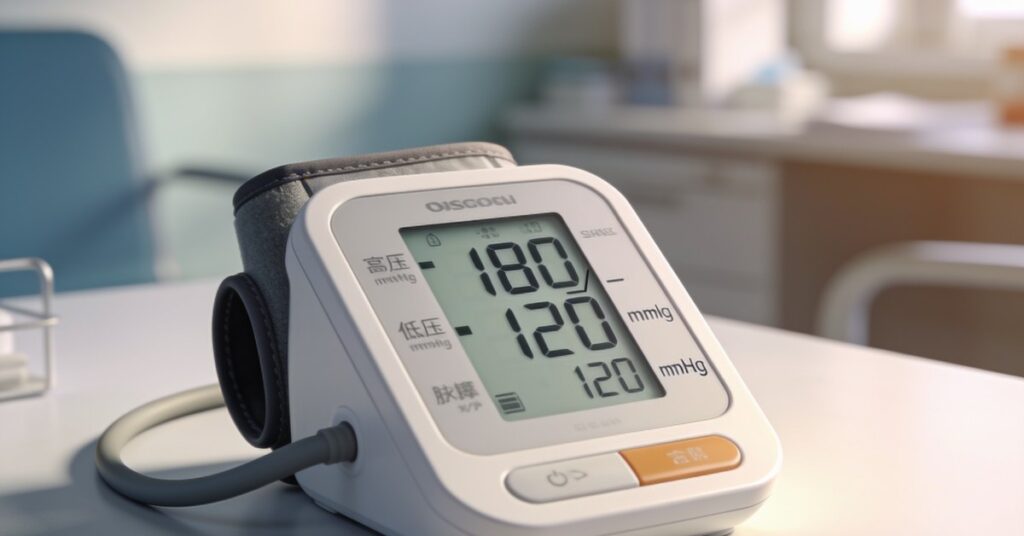
- Readings of 180/120 mmHg or higher.
- Sudden confusion or disorientation.
- Difficulty maintaining balance or walking.
- Severe headache, chest pain, or shortness of breath.
- Sudden disturbances to your vision.
Managing your cardiovascular health
Because the vast majority of people diagnosed with high blood pressure do not experience overt symptoms, regular screenings by your GP are essential. If you suffer from frequent or mild dizziness, you should consult your healthcare professional to conduct a review of your current medication regimen and monitor your blood pressure trends. Maintaining consistent contact with your medical provider is the most effective way to manage your cardiovascular health and prevent long-term complications.
Understanding the Link Between Hypertension and Dizziness
High blood pressure can occasionally cause dizziness by damaging blood vessels over time, which may restrict essential blood flow to the brain or the delicate structures of the inner ear. While cardiologist Luke Laffin notes that hypertension is rarely associated with the sensation of being dizzy, the physical impact of sustained high pressure on your vascular system can create an environment where dizziness becomes more likely. It is vital to differentiate between chronic hypertension and acute events that require immediate attention. Many patients ask me, can high bp cause dizziness directly? The answer is almost always no, as elevated pressure is typically asymptomatic, but the physiological strain it places on the body can manifest in ways that feel like lightheadedness.
Distinguishing Low Blood Pressure and Hypotension from Hypertension
Dizziness is much more commonly a sign of low blood pressure, or hypotension, which is defined as a reading of less than 90/60 mmHg. Orthostatic hypotension is a specific condition where your blood pressure drops rapidly when you stand up too quickly, causing a brief, dizzy spell. Conversely, a hypertensive crisis is a medical emergency characterized by readings of 180/120 mmHg or higher, which can manifest as severe dizziness, confusion, and visual disturbances. By keeping a log of your readings, you can better identify whether your symptoms align with high or low pressure trends.
The Role of Medication in Managing High Blood Pressure and Dizziness
Blood pressure medications are the most common reason for dizziness in patients with hypertension, accounting for approximately 5 per cent of all reported drug side effects. These drugs, such as diuretics and beta-blockers, work by lowering your blood pressure; however, if they lower it too quickly or to a level that is too low for your body to adjust to, the brain may briefly receive less oxygenated blood, resulting in a feeling of lightheadedness. Dealing with these symptoms can be frustrating, but keeping a simple symptom diary helped me stay on top of things when I first started my own medication journey. It is a practical way to show your GP the exact times of day your dizziness occurs, which helps them adjust your regimen.
Taking two or more antihypertensive medications simultaneously can further complicate this by increasing the risk of drug interactions that contribute to dizzy spells. If you are experiencing these symptoms shortly after starting a new prescription or adjusting your dosage, it is a clear signal that your body is still acclimating to the medication. Stay patient, but remain vigilant in reporting any persistent side effects to your healthcare provider.
| Trigger | Mechanism |
|---|---|
| Medication side effects | Blood pressure drops too low or too rapidly. |
| Orthostatic hypotension | Gravity-induced drop upon standing up quickly. |
| Hypertensive crisis | Restricted blood flow due to extreme arterial pressure. |
Recognising Signs and Symptoms of a Medical Emergency
You must seek immediate medical attention if you experience sudden dizziness accompanied by a blood pressure reading of 145/95 mmHg or higher, as this could signal an urgent health issue. Furthermore, you should call 999 if your dizziness is paired with chest pain—which may feel like a heavy squeezing, burning, or indigestion—or if you experience shortness of breath, sudden numbness, or significant vision changes. These symptoms are critical warning signs that your body is under severe strain and requires professional intervention.
Important: A hypertensive crisis, defined as a reading of 180/120 mmHg or higher, is a life-threatening event that necessitates an urgent medical evaluation even if you feel relatively well. The American Heart Association advises that if you record these numbers and feel dizzy, you must call 911 or your local emergency services immediately. Such crises can lead to devastating complications, including stroke, heart attack, or acute organ damage, as the extreme pressure compromises blood flow to vital areas. When questioning if can high bp cause dizziness in an emergency setting, always assume the worst and seek help immediately rather than waiting for symptoms to fade.
Practical Tips for Managing High Blood Pressure and Preventing Dizziness
The most effective way to manage a sudden episode of dizziness is to sit or lie down immediately to prevent a fall and allow your blood pressure to stabilise. Ever wondered if there’s a faster way to manage this safely? Simply taking a moment to reset your posture can make all the difference, as it helps your circulatory system compensate for sudden changes.
- Sit or lie down the moment you feel unsteady.
- Stand up slowly in stages to avoid orthostatic drops.
- Maintain consistent hydration throughout the day.
- Eat regular, balanced meals to keep energy levels stable.
If you experience non-emergency dizzy episodes, contact your GP or visit a local pharmacy for a consultation to discuss your symptoms. It is helpful to bring a list of your current medications to your appointment so a healthcare professional can review them for potential side effects or interactions.
When to See a GP for a Blood Pressure Check
You should see a GP if you experience recurrent, unexplained, or persistent dizziness, as this warrants a thorough investigation into your cardiovascular health. If you are aged 40 or over and have not had your blood pressure checked in the last five years, visit a pharmacy or your GP surgery for a screening. The NHS recommends this frequency even for those who feel perfectly healthy, as high blood pressure often develops without any noticeable changes in how you feel.
Remember: If you are in the middle of a hypertensive crisis (180/120 mmHg or higher), do not wait for an appointment; seek emergency care. Other symptoms that should trigger a call to 999 include sudden confusion, weakness, or frequent nosebleeds, which can indicate that your body is struggling to cope with extreme pressure levels. Early detection through regular screening is the most effective tool you have to prevent the complications often associated with late-stage hypertension.
Questions to Ask Your Doctor
- Could my current medication dosage be contributing to these dizzy spells?
- Are there alternative medications that might cause fewer side effects?
- How often should I be monitoring my blood pressure at home?
- What specific symptoms should I look for that would warrant an emergency call?
Frequently Asked Questions
Does dehydration contribute to feeling dizzy when on blood pressure medication?
Yes, dehydration can exacerbate the effects of antihypertensive drugs, making it harder for your body to regulate blood pressure. It is crucial to maintain adequate fluid intake throughout the day to support your circulatory system.
Can stress or anxiety mimic the symptoms of a hypertensive crisis?
Anxiety can cause physical symptoms like a racing heart and lightheadedness that may feel similar to a blood pressure spike. However, you should never assume your symptoms are purely emotional if they are accompanied by chest pain or vision changes.
Is it normal for my blood pressure to fluctuate throughout the day?
Yes, it is perfectly normal for blood pressure to rise and fall in response to physical activity, stress, and even time of day. Consistency in your readings is more important than a single measurement, which is why tracking your data over time is so valuable.
What should I do if I miss a dose of my medication?
You should consult your pharmacist or GP for advice specific to your prescribed medication if you miss a dose. Never double up on your next dose to make up for the missed one, as this can lead to an unsafe drop in blood pressure.
Keeping a consistent record of your blood pressure readings and symptoms is the best way to partner with your doctor in managing your health safely. Remember that while dizziness is often manageable, you should always prioritise your peace of mind and seek professional medical advice if your symptoms ever feel persistent or overwhelming.