Experiencing a nosebleed can be an unsettling event, but understanding how to manage it effectively is a vital skill for your personal health and well-being. In this article, you will learn evidence-based, practical steps to stop bleeding safely, guidance on when to seek urgent medical assistance, and essential tips for preventing future occurrences. By following these NHS-aligned insights, you can feel confident and prepared to handle this common health challenge with calm and clarity.
Immediate First Aid and How to Stop a Nosebleed
To stop a nosebleed effectively, you must sit down, lean forward, and firmly pinch the soft part of your nose just above the nostrils for 10 to 15 minutes while breathing through your mouth. From my own experience, having a clock or a phone timer handy makes a world of difference; 15 minutes feels like an eternity when you’re staring at a tissue, so don’t be tempted to let go early to check if it has stopped. If you are searching for Bleeding Nose NHS advice, this manual compression is the golden standard to manage the situation safely at home.
- Sit upright and lean forward to keep blood out of your throat.
- Keep your mouth open to breathe comfortably throughout the process.
- Pinch the soft, fleshy part of your nose firmly and consistently.
- Apply a cold compress, like a bag of frozen peas in a tea towel, to the bridge of your nose.
When to See a GP or Visit an Emergency Department
You should go to an Accident and Emergency department immediately if your nosebleed lasts longer than 10 to 15 minutes, or if bleeding continues for more than 20 minutes despite proper first aid efforts. If you are vomiting due to swallowing large amounts of blood or feel physically compromised, it is time to stop the home treatment and get to a professional. When reviewing Bleeding Nose NHS protocols, it becomes clear that persistent, heavy bleeding is never something to ignore.
Important: Never drive yourself to an Accident and Emergency department if you are experiencing significant blood loss; ensure someone else drives you or call 999 for an ambulance.
Safety Checklist for Medical Consultations
| Scenario | Action Required |
|---|---|
| Bleeding > 20 mins | Go to Accident and Emergency / Call 999 |
| Head injury / Dizziness | Go to Accident and Emergency immediately |
| Child under 2 years | See a GP |
| Regular nosebleeds | See a GP for review |
Understanding the Common Causes of Nosebleeds and Epistaxis
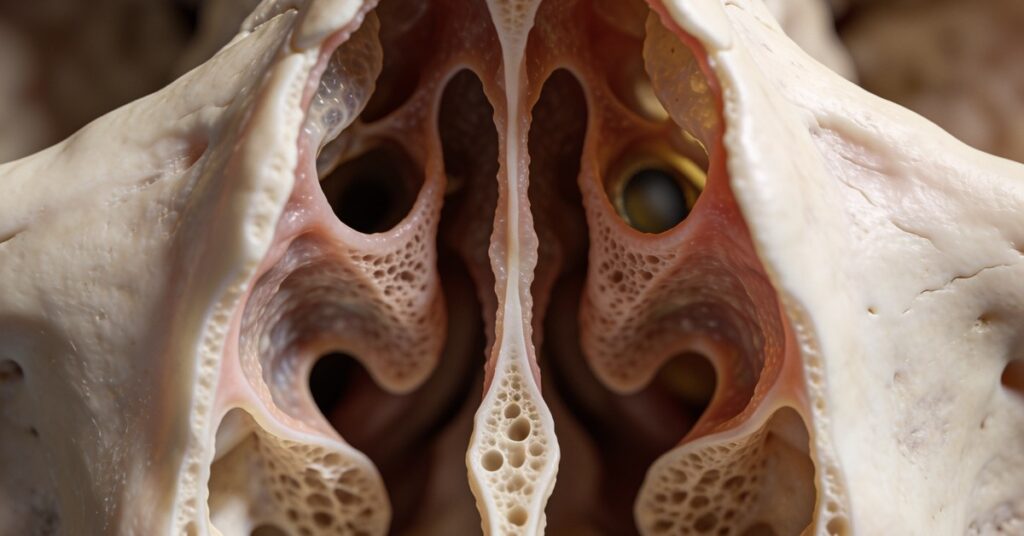
Approximately 80% of all nosebleeds are classified as anterior, meaning they originate from the small blood vessels located in the front part of the nasal septum. Frequent triggers for these episodes include picking your nose, blowing it very hard, or even vigorous rubbing, which can damage the delicate lining of the nasal cavity. Understanding these triggers is essential, as the Bleeding Nose NHS guidance highlights that most cases are caused by simple physical irritation.
- Physical trauma: Picking or blowing the nose too forcefully.
- Medication: Use of blood thinners like warfarin or aspirin.
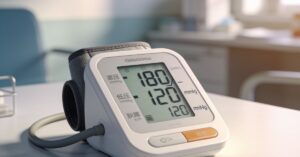
- Health conditions: High blood pressure or clotting disorders like haemophilia.
- Environmental/Other: Recent surgery or recreational cocaine use.
How to Prevent Another Nosebleed and Improve Health and Wellbeing
You can significantly reduce the risk of future nosebleeds by avoiding blowing your nose for up to one week after an episode, as this allows the delicate nasal lining to heal properly. To maintain the integrity of your nasal passages, apply a thin layer of petroleum jelly inside the nostrils to keep them well-lubricated. If you find yourself needing to sneeze, always do so with your mouth open to minimise the sudden burst of pressure through the nose.
Lifestyle adjustments are equally important for long-term prevention. For 24 to 48 hours following a bleed, avoid hot showers, hot baths, hot drinks, and spicy foods, as these can dilate blood vessels and potentially trigger a recurrence. Furthermore, for a few days, avoid heavy lifting, bending over, and strenuous exercise. Finally, focus on preventing constipation by eating a high-fibre diet and drinking plenty of water, as the physical strain of constipation can increase internal pressure and exacerbate nasal fragility.
Treatment for Nosebleeds and NHS 111 Medical Advice
For non-emergency medical advice regarding a nosebleed, you can use the NHS 111 online service or call 111 to speak with a trained advisor. It is essential to remember that after the bleeding has stopped, you should avoid picking, blowing, or putting anything up your nose for at least 24 hours to ensure the clot remains undisturbed. Maintaining these habits will significantly lower your chances of needing to visit an Urgent Treatment Centre or a Minor Injuries Unit.
Frequently Asked Questions
Is it dangerous to swallow blood during a nosebleed?
Swallowing small amounts of blood is generally not harmful, but it can cause irritation to your stomach lining. If you swallow enough blood to induce vomiting, you should seek medical attention at an Accident and Emergency department.
Should I use nasal sprays to stop a nosebleed?
You should not insert any objects or medications, including nasal sprays, into your nose while it is actively bleeding. Focus entirely on external pressure and positioning until the nosebleed stops completely.
How can I identify if my nosebleed is related to blood-thinning medication?
If you take medication like warfarin or aspirin, your blood may take longer to clot, making nosebleeds more frequent or harder to stop. You should see a GP to discuss whether your current dosage or management plan requires adjustment.
What should I do if a minor injury at home leads to a nosebleed?
If the bleed is caused by a minor bump to the nose, follow the standard first aid procedure of sitting forward and pinching the soft part of the nose. If the injury was severe or you suspect a broken nose, you may need to visit a Minor Injuries Unit for an assessment.
Stay calm, keep your head forward, and remember that consistent pressure is your best tool for stopping a bleed safely at home.