
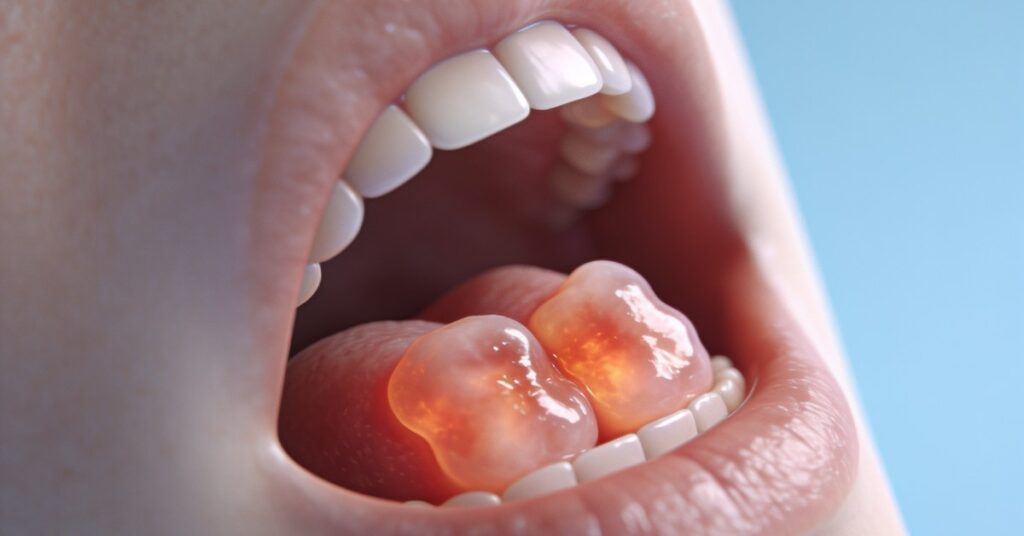
Dealing with the intense discomfort of tonsillitis can be incredibly challenging, making it vital to distinguish between routine symptoms and those requiring professional medical attention. In this guide, I will provide you with evidence-based insights on how to manage your recovery at home, when to seek advice from your GP, and what to expect throughout the healing process. By understanding these NHS-aligned standards, you can take proactive steps to regain your health with confidence and clarity.
Tonsillitis is an inflammation of the tonsils caused by an underlying viral or bacterial infection, which typically resolves within a week through supportive home care. If your symptoms are severe, persistent, or involve difficulty breathing, you should seek medical guidance via the NHS 111 service or consult your GP to determine if further clinical intervention, such as antibiotics or a referral, is necessary. Managing a Tonsillitis NHS case effectively starts with early recognition of symptoms and consistent adherence to home-based pain management strategies.
Tonsillitis NHS
Understanding tonsillitis
Tonsillitis involves the inflammation of the tonsils, which often results in redness and swelling. This condition is frequently triggered by viral infections, such as the common cold, though it can occasionally be attributed to bacterial origins. In the majority of instances, the body recovers naturally within seven days.
Managing symptoms at home
While the condition typically resolves itself within a few days, some cases may persist slightly longer. To support your recovery and alleviate discomfort, consider the following self-care measures:
- Ensure you get plenty of rest to help your body recuperate.
- Maintain adequate hydration by drinking fluids regularly.
- Utilise over-the-counter medications like paracetamol or ibuprofen to help manage pain and reduce fever.
When to seek professional medical advice
It is important to consult a healthcare professional if your condition does not improve or if certain warning signs emerge. Please seek medical guidance if you experience any of the following:
- Symptoms persist beyond four days without any signs of improvement.
- The discomfort is so significant that it prevents you from drinking or eating.
- You encounter any difficulties with your breathing.
Available medical treatments
If you are struggling with symptoms, there are several pathways for support:
- Pharmacist: Consult your local pharmacist first. They are well-equipped to assess your condition and provide recommendations for suitable pain relief available without a prescription.
- General Practitioner (GP): Should your tonsillitis be identified as a bacterial infection, a doctor may decide that a short course of oral antibiotics is necessary.
- Tonsillectomy: Surgical removal of the tonsils is generally reserved for severe or repeat cases where the condition is persistent and significantly impacts your daily quality of life over an extended period.
Distinguishing Tonsillitis symptoms of tonsillitis from a general sore throat
While a general sore throat affects the entire pharyngeal area, tonsillitis is specifically characterised by the inflammation of the two small glands at the back of your throat. A key clinical marker often observed during a physical examination is the presence of visible pus-filled spots or white patches directly on the tonsil, which helps differentiate this condition from common viral throat irritation. If you are struggling to identify the cause of your discomfort, the NHS Sore Throat symptom checker is an excellent digital tool to provide you with a more tailored assessment of your current health status when you are dealing with a potential Tonsillitis NHS situation.
| Feature | General Sore Throat | Tonsillitis |
|---|---|---|
| Primary Area | Whole throat | Tonsils (sides of throat) |
| Visible Signs | Redness/Irritation | Pus-filled spots or white patches |
| Typical Duration | 2–4 days | 4–7 days |
Transmission and contagious causes tonsillitis
Tonsillitis itself is not considered contagious, but the viral or bacterial pathogens that trigger the inflammation are highly transmissible to others. These infections, such as those caused by Group A streptococcus, influenza, or common cold viruses, spread through close physical contact or via airborne droplets released into the air when an infected person coughs or sneezes. Because the transmission mechanism relies on these external pathogens, maintaining good hygiene—such as washing your hands frequently and covering your mouth—is the most effective way to prevent the spread of the underlying infection to family and friends.
Managing pain and treatment of inflammation at home
The most effective way to relieve pain at home is to take paracetamol or ibuprofen regularly to manage inflammation and discomfort. Ever wondered if there’s a faster way to manage the pain during meals? From my experience, taking your pain relief exactly 30 minutes before you plan to eat makes a massive difference in your ability to swallow comfortably. You can further soothe the throat by sucking on ice lollies, ice cubes, or medicated throat lozenges, and it is crucial to drink plenty of fluids, particularly warm drinks like tea with honey. Additionally, mixing half a teaspoon of salt in a glass of warm water to gargle can provide significant relief, though this technique should be avoided by children. Throughout your recovery, you must avoid exposure to cigarette smoke and smoky environments, as these irritants can exacerbate throat sensitivity and delay healing.
Important: Never give aspirin to children under the age of 16, as it is linked to serious complications in young patients.
Understanding duration and complications of tonsillitis
Most cases of tonsillitis follow a predictable recovery trajectory, with symptoms generally improving within 3 to 4 days and clearing up entirely within one week. While it is common for symptoms to persist for up to 7 days, you should consult a medical professional if your fever of 38.0°C or above continues for more than 5 days, as this may indicate a need for further investigation. It is also important to recognise the criteria for recurrent tonsillitis, which the NHS defines as experiencing the following patterns:
- 7 episodes in a single year.
- 5 episodes per year for two consecutive years.
- 3 episodes per year over a three-year period.
When to see a GP for medical advice
You should see a GP if your symptoms do not go away within one week or if they last longer than 4 days without any signs of improvement. Furthermore, it is essential to seek medical help if your symptoms worsen after 3 days, if your throat is so painful that you cannot eat or drink, or if you notice distinct pus-filled spots on your tonsils. If you find yourself suffering from constant or recurrent throat infections, a GP can assess your history and determine the best long-term management strategy for your health.
Emergency healthcare via NHS 111
You must seek emergency help or attend the nearest A&E department immediately if you experience difficulties breathing or find yourself unable to swallow your own saliva. For less critical but still urgent concerns, such as severe pain or high fever, please use the 111 online service or call 111 to receive prompt medical advice from a healthcare professional.
Clinical antibiotic treatment and surgical pathways
Antibiotics are only prescribed for tonsillitis if diagnostic tests confirm that the infection is bacterial rather than viral. For those seeking immediate relief from a pharmacy, a pharmacist can offer professional advice on the most suitable over-the-counter lozenges or throat sprays to manage localized symptoms. In cases where the condition becomes severe or recurrent, a surgical procedure known as a tonsillectomy may be performed to remove the tonsils and prevent future episodes of inflammation. The current Tonsillitis NHS protocol emphasises that surgery is a last resort, reserved only for those patients who truly require it based on their medical history.
Remember: If you are prescribed a course of antibiotics, always finish the entire course as directed, even if you start feeling better after a few days.
Frequently Asked Questions
What is Quinsy and how does it relate to tonsillitis?
Quinsy is a serious complication of tonsillitis where a collection of pus forms between one of the tonsils and the wall of the throat. It requires urgent medical attention and often surgical drainage, so seek help immediately if you have severe swelling or difficulty opening your mouth.
Can I drink alcohol while taking painkillers for my throat?
It is generally advised to avoid alcohol while managing an infection, as it can dehydrate you and potentially interact with certain medications. Stick to water, herbal teas, or electrolyte solutions to ensure your body remains properly hydrated during recovery.
How do I know if my symptoms are due to a virus or bacteria?
Distinguishing between the two based on symptoms alone is difficult, which is why a GP may perform a physical exam or a swab test. Bacterial infections may sometimes present with more intense symptoms or specific white patches, but only clinical testing provides a definitive diagnosis.
Should I stay off work or school while I have tonsillitis?
While you are not necessarily infectious once the initial viral phase passes, you should stay home if you feel unwell or have a fever. This prevents the spread of the underlying germs to others and allows your body the necessary rest to recover quickly.
Most patients will recover fully within a week by adhering to simple home care routines and prioritising hydration. Should your symptoms persist beyond this timeframe or worsen, do not hesitate to contact NHS 111 for the expert guidance you need to support your recovery.