Experiencing an earache alongside a persistent headache can be both distressing and disruptive to your daily life, making it essential to understand the underlying connection between these two symptoms. In this guide, you will learn how various types of ear infections trigger head pain, which signs require urgent medical attention, and how to safely manage your recovery at home. By providing evidence-based insights, I will help you navigate these symptoms with confidence and clarity so you know exactly when to seek professional care.
Could ear infection cause headache
The link between ear infections and headaches
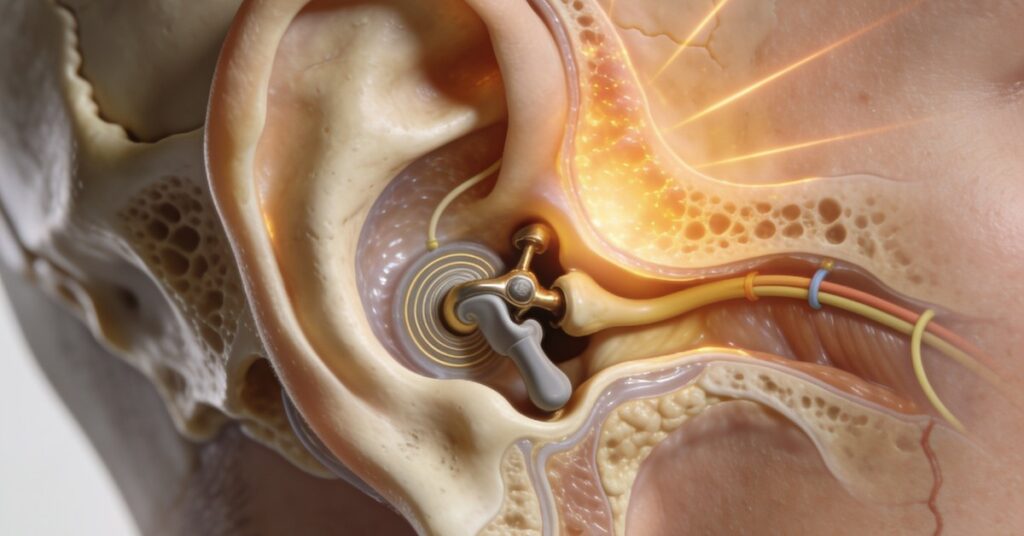
It is certainly possible for an ear infection to trigger headaches. This typically occurs because the accumulation of fluid and the resulting inflammation create significant internal pressure within the ear canal. Furthermore, since the nerves located in the head and the ear frequently share the same anatomical pathways, the discomfort often radiates outward, manifesting as pain in the forehead, temples, or the base of the skull.
Please note that the information provided here is for educational purposes only and does not serve as a substitute for professional medical advice or a formal diagnosis. Blockages within the ear structure are a primary contributor to these associated symptoms.
Common conditions linking ear pain and headaches
There are a variety of medical conditions that are known to concurrently cause both ear pain and headaches, such as:
- Acute otitis media (middle ear infection).
- Eustachian tube dysfunction.
- Sinusitis, which often causes referred pressure to the ears.
- Temporomandibular joint (TMJ) disorders.
Scientific explanations for ear infection-related headaches
You might wonder why an ear infection specifically manifests as a headache. The physiological explanation lies in the complexity of the nervous system:
- Shared nerve pathways: Both the glossopharyngeal and trigeminal nerves provide sensory signals to the ear and the surrounding cranial regions. When the ear is inflamed, these nerves can send pain signals that the brain interprets as a headache.
- Pressure buildup: The build-up of fluid behind the eardrum creates physical strain that irritates the surrounding tissues, leading to a dull or throbbing ache in the head.
Understanding the connection
In essence, the headache is usually a secondary symptom caused by the body’s inflammatory response to an infection. As the inflammation subsides and the Eustachian tube begins to drain the trapped fluid, the accompanying pressure-related headache typically dissipates. If you are concerned about persistent symptoms, please contact your local primary care provider or health service for a proper evaluation.
The Link Between Ear Infections and Headaches: An Overview
Yes, an ear infection can absolutely cause a headache because the ear and the head share complex nerve pathways, specifically the trigeminal and glossopharyngeal nerves. Many patients frequently ask, „Could ear infection cause headache?” and the answer is rooted in the fact that inflammation or fluid pressure within the ear structure can trigger referred pain that the brain interprets as a headache. When you experience an earache and headache occurring together, it is frequently due to pressure buildup, inflammation, or the body’s systemic immune response to the infection. These shared pathways mean that pain signals originating in the ear structure are often misinterpreted or radiated by the brain as head pain, creating a combined clinical picture that many patients find confusing but is medically well-documented. From my experience, keeping a simple symptom diary helps you track the frequency of these pains, which provides your GP with invaluable data during a consultation.
Understanding the Types of Ear Infections and Their Impact
The specific type of ear infection you are experiencing often dictates the intensity and nature of the associated headache you might feel. Understanding these classifications helps in identifying whether the issue is localized to the outer canal or involves the more sensitive structures of the middle or inner ear, which are more likely to cause systemic symptoms like head pain.
| Infection Type | Primary Symptom | Headache Potential |
|---|---|---|
| Otitis Media | Middle ear pressure | High (due to pressure) |
| Otitis Externa | Outer canal pain | Low (usually localized) |
| Labyrinthitis | Vertigo/Dizziness | Moderate (throbbing) |
| Mastoiditis | Swelling behind ear | Severe/Urgent |
Classification of Causes of Earache and Headache
Otitis media is the most common culprit behind pressure-related head pain, while otitis externa typically causes pain focused on the outer canal. Inner ear infections, such as labyrinthitis and vestibular neuritis, are more common in adults aged 30 to 60 and frequently present with dizziness, vertigo, and loss of balance alongside a dull or throbbing headache. Furthermore, mastoiditis remains a serious medical condition involving the mastoid bone, which is a direct, severe complication that requires immediate clinical assessment if you notice concurrent earache and headache. When investigating the query „Could ear infection cause headache,” medical professionals always look for these specific classifications to determine whether the pain is a primary symptom of ear inflammation or a secondary neurological response.
Why Ear Infections and Headaches Trigger Migraines
Ear infections can trigger migraines and sinus-like headaches through a combination of inflammation, immune system activation, and the sensitization of the trigeminal nerve. The Eustachian tubes, which connect the middle ear to the sinuses, serve as a bridge for infection and pressure to spread, often leading to a sensation of fullness that manifests as a sinus headache. Because over 75% of adults experience headaches each year, it is easy to misattribute these symptoms, yet the clinical link between middle ear pressure and secondary head pain is a well-established phenomenon in primary care. Understanding how the immune system reacts to pathogens within the closed cavity of the middle ear explains why many people report a pounding head alongside their ear discomfort. It is this systemic activation that makes the question of „Could ear infection cause headache” so relevant for anyone dealing with recurring sinus or ear issues.
Risks of Neglecting Head and Ear Pain
Ignoring an ear infection when it is accompanied by a persistent headache can lead to severe, life-altering complications that extend far beyond simple ear discomfort. If the infection spreads or remains untreated, you risk developing dangerous conditions such as bacterial meningitis, a brain abscess, or permanent hearing loss due to damage to the delicate structures of the inner ear. Other significant risks include eardrum perforation, the formation of a cholesteatoma, or chronic damage to the vestibular system, all of which underscore why you should never dismiss a headache when it is paired with signs of an ear infection. Always remember to monitor for the following warning signs:
- Stiff neck or severe neck pain
- Drooping of facial muscles
- Persistent high fever or chills
- Significant, unexplained hearing loss
Managing Symptoms of an Ear Infection at Home
Most mild ear infections are self-limiting and typically improve on their own within 3 to 5 days, though symptoms can persist for up to a week. To stay on top of your recovery, follow this simple process:
- Take paracetamol or ibuprofen to manage pain, strictly following the leaflet dosage.
- Apply a warm or cold flannel to the affected area for 15–20 minutes to soothe inflammation.
- Prop your head up with extra pillows while resting to reduce inner ear pressure.
- Keep the ear canal clear by avoiding cotton buds or fingers.
Important: Never provide aspirin to anyone under the age of 16, as it poses a significant health risk in children and adolescents. By managing your environment and using over-the-counter pain relief responsibly, you can often mitigate the worst of the discomfort while your body does the heavy lifting of fighting the infection.
When to Seek Medical Advice for Earache and Headache
You must see a doctor if your symptoms do not improve after 2 to 3 days, or if you have a history of regular ear infections that seem to be recurring. Seek immediate medical attention if you experience a severe or worsening headache accompanied by a high fever of 100°F or higher, fluid drainage from the ear, or a stiff neck. If you have an earache accompanied by vertigo, nausea, tinnitus, or reduced hearing, contact the NHS 111 service or request an urgent GP appointment to rule out complications like mastoiditis or cerebral venous sinus thrombosis. Any swelling, redness, or tenderness behind the ear is a major red flag that warrants an urgent professional evaluation, and you can visit 111.nhs.uk for further advice if your symptoms feel concerning or unmanageable.
Frequently Asked Questions
Is ear pain on one side more concerning than pain in both ears?
Yes, unilateral ear pain is often more indicative of a localized infection of the middle or outer ear. If this pain radiates to the head on the same side, it suggests a more direct nerve involvement that requires a thorough examination by a healthcare professional.
How does a viral infection lead to ear pain and headache?
A viral infection often causes congestion that blocks the Eustachian tubes, leading to a vacuum-like pressure buildup in the middle ear. This pressure causes mechanical irritation of the eardrum and surrounding nerves, which the brain perceives as a combination of ear pain and headache.
Can I use ear drops to treat my headache and earache?
You should only use ear drops if they have been specifically prescribed or recommended by a doctor, as using them with a perforated eardrum can be dangerous. It is much safer to rely on oral pain relief like ibuprofen to address the systemic inflammatory response causing your headache.
Is a fever a common symptom of every ear infection?
A fever is a common indicator of an active immune response, but not every ear infection will result in a high temperature. If you develop a fever of 100°F or higher, it is a sign that your body is fighting a more significant infection and you should monitor your symptoms closely for worsening signs.
Proactive care remains your best defence against the progression of ear-related complications, so monitor your symptoms and seek professional help if they do not resolve within a few days. Avoiding the use of cotton buds is the most effective way to prevent injury, keeping your ears safe while you focus on a steady and comfortable recovery.