
Experiencing dizziness during the flu can be both unsettling and physically draining, making it essential to understand the typical timeline of this symptom for effective recovery. In this guide, I will provide evidence-based insights into why this occurs, how long does flu dizziness last, and practical strategies to manage your balance safely at home. By knowing what to anticipate, you can better navigate your recovery and recognise when it is time to seek professional medical advice.
How long does flu dizziness last
Typically, dizziness associated with influenza begins to alleviate after a few days, usually fading once your fever subsides. Nevertheless, individuals may experience residual light-headedness and exhaustion for as long as a fortnight. The precise recovery period is heavily influenced by your hydration status, the quality of your rest, and the speed at which your body recovers from systemic fatigue.
Expectations regarding influenza
Influenza symptoms strike abruptly and may persist for several weeks. While mild sensations of imbalance are standard, they often range from a few days to a week. Lingering symptoms are especially common if lethargy persists throughout the convalescence period.
Contributing factors to persistent dizziness
- Dehydration: Insufficient fluid intake is a leading cause. Consuming water, electrolyte-rich solutions, or soups can assist in eliminating light-headedness.
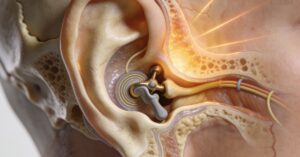
- Inner ear inflammation: The influenza virus can occasionally trigger inflammation of the inner ear, known as vestibular neuritis, which may result in vertigo lasting several days or even weeks.
- Positional movement: Refrain from abrupt shifts in posture. When rising from a bed, sit upright gradually and allow your system to stabilise before standing fully.
Managing symptoms
Dizziness during an influenza bout is generally transient and mild. To support your recovery, consider the following:
- Maintain high levels of hydration.
- Avoid rapid physical movements.
- Ensure adequate intake of electrolytes to aid fluid balance.
- Rest sufficiently until symptoms, which typically resolve within one to two weeks, have faded.
When to seek medical attention
Although mild dizziness is a frequent complication, you must seek urgent medical assessment if your condition is severe, fails to improve with bed rest, or results in fainting. Contact a healthcare provider immediately if your dizziness is accompanied by any of the following:
- Chest sensations or pain
- Shortness of breath
- Mental confusion
- Extreme physical weakness or nausea
Professional guidance and self-care
Most individuals successfully manage influenza from home without professional intervention. However, it is advisable to remain off work or school until you feel fully recovered, which usually requires roughly one week. Should you require advice from a medical professional or wish to locate local services within the UK, you may utilise the NHS 111 online triage service or dial 111 for direct assistance. For comprehensive information on managing influenza symptoms and monitoring your progress, please refer to the NHS Inform Flu Guide.
Expected Duration and Stages of Flu Recovery and Dizziness
Most individuals find that flu-related dizziness resolves within 3 to 5 days as the acute phase of the infection begins to wane. While this timeframe covers the majority of cases, it is common for the sensation to persist for a few days to a week in total. Although most healthy adults recover from the primary influenza symptoms within 5 to 7 days, it is important to be aware that lingering symptoms can occasionally persist for up to two weeks. Monitoring your progress during this window is vital, as symptoms usually develop 1 to 3 days after the initial infection, and the timeline for dizziness is typically tied to the severity of your immune response. Understanding exactly how long does flu dizziness last helps you differentiate between a standard recovery process and a situation that requires further investigation. If you are still struggling with your balance after the two-week mark, it is time to consult with your physician to ensure there are no secondary complications at play.
Physiological Factors That Cause Dizziness During Influenza
Dizziness during an influenza infection is primarily caused by systemic physiological strain, including significant dehydration, blood pressure fluctuations, and inflammatory responses. Dehydration, often exacerbated by high fever, excessive sweating, or vomiting, is one of the most frequent culprits behind lightheadedness. Furthermore, the body’s inflammatory response can lead to the dilation of blood vessels, resulting in lower blood pressure, or cause inflammation within the inner ear structures. When the body is fighting a virus, the metabolic cost is immense, and your systems often struggle to maintain homeostasis, which is why you feel that „off-balance” sensation.
- Dehydration from fluid loss
- Blood vessel dilation (low blood pressure)
- Inner ear inflammation
- Severe fatigue
- Systemic complications (sepsis or pneumonia)
Frequency and Prevalence of Dizziness With The Flu
Dizziness is a recognised, albeit not universal, symptom of influenza that affects a small but notable percentage of the patient population. Clinical data from the Mayo Clinic’s influenza update on 19 December 2025 and the CDC’s signs and symptoms of flu update on 26 August 2024 highlight that while many patients focus on respiratory issues, about 2.2% of patients diagnosed with influenza specifically experience syncope or fainting. Recognising this as a documented symptom can help patients understand that feeling unsteady is a valid part of the illness, rather than an isolated or unexplained complication. It is a reminder that the flu is a systemic infection, not just a cough or a runny nose, and it affects your vestibular system more often than most people realise.
Practical Home Remedies and How to Manage Your Symptoms
You can effectively manage flu-related dizziness at home by focusing on hydration, controlled movement, and environmental modifications. Ever wondered if there’s a faster way to manage this? From my experience, keeping a simple symptom diary helped me track my progress and identify if my balance was actually improving day by day. Follow these steps to regain your footing and manage the duration of your symptoms effectively:
- Prioritise fluid intake with water, clear broths, or electrolyte-rich drinks.
- Sit on the edge of the bed with your feet dangling for a few seconds before standing to prevent a sudden drop in blood pressure.
- Rest in a cool, quiet, dark room with your head slightly elevated using a pillow.
- Eat light, simple meals such as rice, toast, or bananas.
- Strictly avoid caffeine and alcohol, which can further dehydrate the body.
The Difference Between Flu Dizziness and Vertigo
Dizziness and vertigo are distinct sensations that arise from different physiological disruptions during the flu. Use the table below to determine which sensation you might be experiencing, as clarity here is vital for your recovery path:
| Feature | General Dizziness | Vertigo |
|---|---|---|
| Sensation | Unsteadiness, floating | Spinning, whirling environment |
| Primary Cause | Dehydration, fatigue | Inner ear/vestibular nerve inflammation |
| Common Signs | Lightheadedness | Nausea, vomiting, ringing in ears |
While general dizziness is a common flu symptom, true vertigo indicates a more targeted inflammatory response that warrants careful monitoring. If your environment feels like it is physically moving, you are likely dealing with a vestibular issue rather than simple fatigue, and you should adjust your expectations for recovery accordingly.
Managing Flu Treatment and Lightheadedness
Lightheadedness caused by the flu can be mitigated by managing your environment and physical habits to reduce strain on your nervous system. To maintain stability, sip small amounts of fluids frequently throughout the day, especially if nausea is present, and take paracetamol or ibuprofen to help lower your temperature and alleviate the aches that can contribute to overall weakness. Limit screen exposure and reduce sensory stimulation to prevent the brain from becoming overtaxed during your recovery. Many people ask, „how long does flu dizziness last” because they are anxious to get back to their daily routine, but pushing yourself too hard before your inner ear has fully recovered will only prolong the lightheadedness.
Important: If you encounter sudden dizziness, breathing difficulties, or chest pains, seek medical attention immediately; for those in specific areas, resources such as calling (303) 639-1000 for AFC Urgent Care Denver Park Hill can provide the necessary guidance.
Complications and Higher Risk of Persistent Dizziness
Persistent dizziness following the flu may signal underlying complications that extend beyond the typical recovery period. Conditions such as vestibular neuritis, which involves inflammation of the vestibular nerve, or viral labyrinthitis, which affects inner ear balance and hearing structures, are common causes of prolonged symptoms that can start 1 to 2 weeks after the initial infection. Other potential complications include Benign Paroxysmal Positional Vertigo (BPPV) caused by displaced calcium crystals, severe dehydration, or orthostatic hypotension. Being aware of these secondary issues is a mark of a responsible patient, as identifying them early allows for targeted treatment rather than waiting for a natural resolution that may not come.
Frequently Asked Questions
Is dizziness with the flu contagious?
No, the dizziness itself is not contagious; however, the influenza virus causing the underlying illness is highly contagious. You should remain isolated until you are no longer infectious to prevent spreading the virus to others.
Does getting the flu shot reduce the risk of dizziness?
Yes, getting the flu shot significantly lowers your risk of contracting influenza and developing associated complications like inner ear inflammation. By preventing the infection, you avoid the secondary systemic issues that typically lead to dizziness.
Can I use over-the-counter flu treatment for dizziness?
You can use standard medications to manage fever and aches, but there is no specific over-the-counter cure for flu-related dizziness. Most treatments focus on symptom relief, such as hydration and rest, while the body heals from the viral infection.
How long does the flu last on average?
Most healthy adults recover from the flu within 5 to 7 days, though some symptoms may linger for up to two weeks. If your condition does not improve within this timeframe, consult a healthcare provider to rule out secondary complications.
Most cases of post-viral unsteadiness will diminish within a week through consistent hydration and adequate rest. Prioritise slow, deliberate movements when standing to protect your balance, and trust that your body will regain its equilibrium as you continue to recover.