Navigating a diagnosis of mastoiditis can be incredibly daunting, but understanding the treatment process is a crucial step towards your recovery and long-term well-being. In this guide, you will find evidence-based information on medical interventions, surgical options, and practical recovery tips to help you know exactly what to expect and how to prepare for your path to healing. My goal is to provide you with the clarity and confidence needed to effectively manage this condition alongside your healthcare team.
Treatment for mastoiditis
Medical Intervention and Hospital Care
Mastoiditis necessitates immediate medical intervention to avert severe health complications. Patients are typically admitted to a hospital under the supervision of an ear specialist. The primary approach involves the administration of intravenous (IV) antibiotics to combat the bacterial infection effectively. Due to the nature of the infection, which can penetrate deep into the mastoid bone, treatment requires sustained focus and professional monitoring.
Diagnostic Procedures
Medical professionals initially evaluate the condition based on the patient’s presented symptoms. To confirm the diagnosis and assess the extent of the infection, doctors usually perform a computed tomography (CT) scan.
Core Treatment Modalities
- Antibiotic Therapy: Treatment commences with broad-spectrum IV antibiotics, such as vancomycin or ceftriaxone. Once laboratory cultures identify the specific pathogen, the antibiotic regimen is adjusted accordingly. The total course of medication, often transitioning to oral forms, generally spans at least two weeks.
- Myringotomy: A surgical procedure involving a small incision in the eardrum to facilitate the drainage of infected fluid from the middle ear. Occasionally, a tympanostomy tube is inserted to maintain the opening, allowing for ongoing drainage and the application of topical antibiotic drops.
- Mastoidectomy: In instances where the infection proves persistent, an abscess develops, or there is visible damage to the bone, surgical removal of the infected portion of the mastoid bone may be mandatory.
Home Care and Recovery Guidelines
Following professional medical advice is paramount for a successful recovery. Patients should adhere to the following recommendations:
- Complete the Full Course: It is essential to finish every dose of prescribed antibiotics, even if the patient feels better. Prematurely stopping medication may cause the infection to resurface.
- Pain Management: To alleviate discomfort and reduce fever, patients may use standard over-the-counter pain relievers, such as paracetamol or ibuprofen, as recommended by a healthcare provider.
- Ear Protection: Ensure the affected ear remains dry during bathing or showering. Consult a medical professional regarding the use of a petroleum jelly-coated cotton ball as a protective barrier. Avoid swimming entirely until given explicit clearance by a doctor.
- Medication Safety: Always read the labels on any medicine provided and follow the instructions precisely.
Immediate Medical Response to Mastoiditis and Symptoms and Causes
The primary and most urgent Treatment for mastoiditis is hospital admission for the administration of intravenous (IV) antibiotic therapy. This immediate intervention is necessary to prevent the infection from spreading further into the skull, and it typically requires a stay of 1 to 2 days for initial monitoring. Clinicians commonly use broad-spectrum antibiotics, such as ceftriaxone or vancomycin, to target the bacteria causing the inflammation effectively. This aggressive approach is the gold standard for any effective Treatment for mastoiditis, ensuring that systemic infection is contained before it can compromise surrounding cranial structures.
Standard Medical Protocols and Antibiotic Management
Beyond initial IV therapy, the standard medical treatment involves a transition to a prolonged course of oral antibiotics, which must be taken for 2 to 4 weeks to ensure the infection is completely eradicated. Dealing with these Signs and symptoms can be frustrating, but keeping a simple symptom diary helped me stay on top of things during similar health challenges. To manage the associated Symptoms of mastoiditis, such as pain and fever, refer to the table below for standard supportive care measures:
| Symptom/Need | Recommended Action |
|---|---|
| Pain and Fever | Paracetamol or Ibuprofen |
| Inflammation | High-dose IV steroids (inpatient) |
| Infection Control | Full course oral Antibiotic |
When Surgical Intervention Is Required in Otolaryngology
Surgery is required if the patient’s symptoms do not show significant improvement after 36 to 48 hours of consistent intravenous therapy. A mastoidectomy is specifically indicated if an ear infection, known as otitis media, spreads to the skull, if there is evidence of bone erosion, or if a Complication such as an abscess occurs. If you are facing this, here are the key questions you should ask your specialist in the field of Nose and throat care:
- What specific surgical approach (canal wall up/down) is being suggested?
- What are the expected outcomes for my hearing post-surgery?
- How will the recovery transition from hospital to home care be managed?
Understanding the Mastoidectomy Procedure
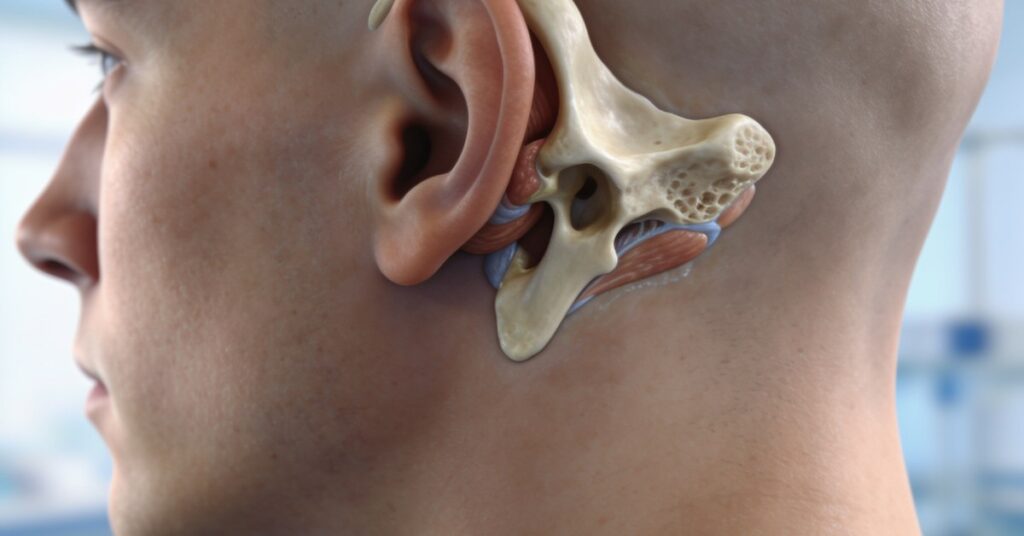
A mastoidectomy is a surgical procedure performed under general anaesthesia that involves removing diseased or infected air cells from the mastoid bone. The surgeon makes an incision behind or above the ear to expose the bone, then utilizes a specialized drill and a microscope to carefully clear the infection. While a simple mastoidectomy leaves the middle ear and ear canal intact, the surgery typically lasts between one and three hours, and patients should anticipate a full recovery period of 4 to 12 weeks. This surgical Treatment for mastoiditis is a precise mechanical solution when conservative regimens fail to halt the progression of diseased mastoid tissue.
Managing Complications of Mastoiditis
Untreated mastoiditis poses severe risks to your health, as the infection can rapidly migrate to critical areas of the head and neck. Ever wondered if there is a faster way to manage this? The reality is that there are no shortcuts when it comes to bone infections; failure to treat can lead to various Complications of mastoiditis, including:
- Meningitis and brain abscess
- Venous sinus thrombosis
- Facial nerve palsy (cranial nerve VII)
- Permanent conductive or sensorineural hearing loss
Expected Recovery Timelines
The recovery timeline depends heavily on the chosen path, with uncomplicated cases treated only with antibiotics typically resolving in 2 to 4 weeks. Patients who undergo a mastoidectomy face a longer recovery time of 4 to 6 weeks, while those who receive a myringotomy and ear drops usually recover within 2 to 3 weeks. Important: You must adhere to specific safety precautions, such as avoiding air travel for at least 2 weeks following any mastoid surgery to prevent pressure-related complications in the healing ear.
Home Care and Long-Term Follow-Up
Effective home care centers on completing the full course of prescribed oral medication and managing the surgical site with care. Follow these steps to ensure a smooth transition back to daily life:
- Complete every dose of your medication as prescribed by your doctor.
- Use a cotton ball coated in petroleum jelly to keep the ear dry during bathing.
- Apply a warm, moist washcloth to the area behind the ear to soothe residual pain.
- Attend all follow-up appointments at 1, 3, and 6 months post-treatment.
Remember: Do not return to swimming or strenuous activity until you have received explicit clearance from your specialist at your follow-up appointment, as the ear remains highly vulnerable during the initial healing phase.
Frequently Asked Questions
Is mastoiditis contagious?
No, mastoiditis is not contagious; it is a localized bacterial infection of the bone that develops as a complication of an existing ear infection. It cannot be spread from person to person through contact or respiratory droplets.
What is the purpose of a myringotomy?
A myringotomy is a procedure involving an incision in the eardrum performed to drain infected fluid from the middle ear. It serves as an effective early intervention to relieve pressure and remove the source of infection before it spreads to the mastoid bone.
Are there different approaches to mastoidectomy?
Yes, the two major surgical approaches are the canal wall up and canal wall down techniques. A surgeon chooses the most appropriate method based on the specific anatomical needs of the patient and the extent of the bone disease.
How is hearing monitored after treatment?
Hearing is monitored through regular audiology evaluations, such as pure tone audiometry, conducted during follow-up visits. These tests ensure that the infection has not caused lasting damage to the auditory system and track the recovery of hearing function over time.
Please remember that your commitment to completing the full course of antibiotics is the most vital step in your journey back to health. You have the strength to get through this, and your dedication to the recovery process ensures you are giving your body the best chance to heal completely.