Recognising the subtle yet serious signs of a dead tooth is essential for maintaining your long-term oral health and preventing significant systemic complications. In this guide, you will learn to identify the key symptoms of a dead tooth, understand why professional intervention is critical, and discover how to navigate the diagnostic and treatment process with confidence. My goal is to provide you with the clear, evidence-based insights needed to take control of your dental well-being and act before the condition worsens.
A dead tooth, or non-vital tooth, is primarily identified by a distinct change in tooth colour—frequently appearing grey, yellow, brown, or black—as the internal pulp tissue dies and breaks down. Beyond visual changes, common symptoms of a dead tooth include a persistent, dull ache in the area, sharp pain when biting or chewing, extreme sensitivity to hot and cold temperatures, and the presence of a small, pimple-like bump on the gums known as a fistula. If you notice these indicators, it is a clear sign that the nerve and blood vessels inside the tooth have lost their vitality, necessitating an urgent consultation with a dental professional.
Symptoms of a dead tooth
Pulp necrosis, more commonly referred to as a dead tooth, arises when the internal nerve and vascular supply ceases to function. Recognising the indicators of this condition is vital for preserving long-term oral health and avoiding serious complications.
What does a dead tooth look like?
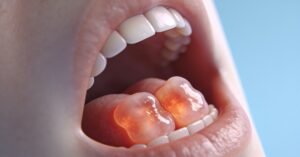
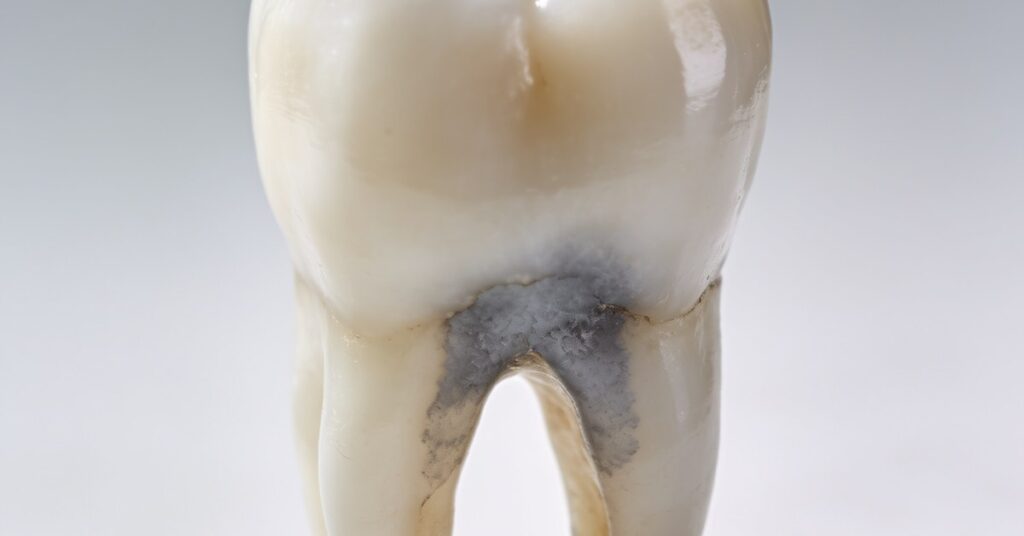
The visual appearance of the tooth is often the most significant indicator of necrosis. As the internal pulp tissue dies, the breakdown of red blood cells causes the tooth to change colour. This manifests as the tooth turning a darker shade, appearing bruised, or taking on a distinct grey, yellow, or black hue when compared to neighbouring healthy teeth.
Key symptoms and warning signs
A tooth in this state may not always trigger immediate discomfort, but several characteristic signs often accompany the condition:
- Tooth discoloration: A noticeable shift toward grey, yellow, or black.
- Pain and sensitivity: You might experience intense throbbing, a dull ache, or in some instances, a sudden cessation of pain, which may suggest that the nerve has fully perished.
- Discomfort when biting: Increased sensitivity or pain occurs during chewing due to pressure exerted on the periodontal ligament surrounding the root.
- Gum issues: The presence of a small, pimple-like bump on the gum line, known as a fistula.
- Unpleasant sensations: A persistent foul taste in the mouth or noticeable halitosis (bad breath) caused by bacterial growth within the pulp chamber.
Potential complications of pulp necrosis
When the pulp chamber loses its vital immune response, it transforms into an environment conducive to bacterial proliferation. Neglecting to treat a necrotic tooth can lead to the following health risks:
- Dental abscesses: The development of a painful, pus-filled pocket of infection.
- Spreading inflammation: Swelling that affects the gums, the facial structures, or the jaw.
- Systemic infection risk: Left unaddressed, the infection can progress beyond the immediate site of the tooth.
It is important to note that this information is intended for educational purposes and does not serve as professional medical or dental advice. If you suspect your tooth is dying, it is essential to consult a dental professional for a formal diagnosis and appropriate clinical intervention.
Recognising physical symptoms of a dead tooth and dental decay
The most reliable way to identify a non-vital tooth is by observing structural and aesthetic changes that occur as the internal pulp chamber loses its blood supply. Over time, the tooth loses its natural translucency and takes on a darker, discoloured shade, which serves as a primary marker for tissue necrosis. When you look in the mirror, you might notice that the tooth no longer matches the brightness of your neighbouring teeth, a change that becomes increasingly obvious as the internal material degrades.
Sensory indicators of tooth infection
Patients often experience localised gum swelling or the development of a tender, pus-filled pocket near the root, which indicates that an active tooth infection is present. Furthermore, you might feel a sharp, throbbing sensation when applying pressure during biting or chewing, or a lingering, dull ache that does not seem to subside with standard oral hygiene practices. It is a common misconception that a dead tooth is always painful; in many cases, the nerve may die off entirely, leading to a period of silence before the infection manifests as a more severe issue like an abscess.
Why dead teeth and untreated tooth decay impact breath and taste
Dead teeth cause persistent bad breath and an unpleasant, often metallic taste in the mouth because the decomposing pulp chamber releases foul-smelling sulfur compounds. This degradation of internal tissue provides a breeding ground for bacteria, which creates an ongoing source of oral malodour that cannot be corrected by brushing or mouthwash alone. The presence of these odours is a clear warning sign that the infection is active and likely spreading within the root canal system, affecting the quality of your daily life.
Serious risks when a tooth is left untreated
Leaving a dead tooth untreated is dangerous because the infection can spread from the root to the surrounding jawbone, potentially causing permanent bone loss and compromising the structural integrity of your entire mouth. When the infection is neglected, it creates a constant reservoir of bacteria that can infiltrate the bloodstream, leading to systemic health complications that extend far beyond your oral cavity. The presence of pus-filled abscesses can lead to acute episodes of pain and swelling that may require emergency intervention from a Dentist.
Important: A dead tooth will not heal on its own; failure to seek treatment often results in the tooth becoming increasingly brittle, raising the risk of catastrophic fracture and eventual tooth loss. The structural compromise of the jawbone can also complicate the planning for a future dental implant, as there may not be enough healthy bone remaining to support the hardware. Treating the issue early preserves your natural bone density and avoids the high costs and complexity of restorative dental surgery later on.
How a Dentist diagnoses a non-vital tooth
A Dentist diagnoses a non-vital tooth by performing a comprehensive clinical evaluation that includes a visual inspection of the tooth’s colour and a battery of sensitivity tests to determine if the nerve is still responding to stimuli. These tests are designed to bypass subjective patient reports and provide objective data regarding the tooth’s vitality. By systematically ruling out other causes of pain, the clinician can pinpoint the exact source of the necrosis and plan the appropriate course of restorative action.
Diagnostic steps for dental vitality
- Perform a visual check for discolouration and gum inflammation.
- Conduct a cold test using refrigerant to gauge nerve response.
- Apply a mild electrical current via an electric pulp test to confirm vitality.
- Review dental radiographs to identify dark spots at the root tip.
Effective treatment options for a dead tooth
The primary treatment options for a dead tooth are root canal therapy, tooth extraction, or internal bleaching, depending on the severity of the infection and the remaining structural health of the tooth. Root canal therapy is the gold standard for saving the natural tooth, as it involves the removal of the necrotic pulp, thorough disinfection of the root canal chamber, and a permanent seal to prevent re-infection. This procedure effectively cleans the site of the infection, allowing the surrounding tissues to heal and preventing the need for an invasive extraction.
If you are facing this procedure, here are three essential questions to ask your Dentist:
- Is the tooth structure strong enough to support a crown after the root canal?
- What are the specific risks of leaving the tooth in place versus extraction?
- How soon can we schedule the follow-up to monitor the healing process?
In cases where the tooth is too damaged to be saved, an extraction may be required to resolve the infection and protect the adjacent teeth from bacterial spread. If the tooth structure remains intact, internal bleaching can be performed to address the aesthetic concern of discolouration, effectively restoring the tooth to a more natural shade. Understanding these options empowers you to participate in your own care plan and choose the path that best suits your long-term health objectives.
Frequently Asked Questions
How do I find a Dentist to check my tooth?
You can find a qualified NHS Dentist in your area by visiting the official service search portal at www.nhs.uk/service-search/find-a-dentist, which allows you to input your postcode and view available local practices. Having a regular professional is the best defence against the progression of these conditions, as they can catch early warning signs before they escalate.
Is a dental implant necessary if the tooth is extracted?
Yes, a dental implant is often recommended after an extraction to replace the missing tooth, as it prevents the surrounding teeth from shifting and maintains jawbone density. Leaving a gap can lead to long-term bite misalignment and further oral health complications.
Can I use over-the-counter painkillers while waiting for my appointment?
Yes, you can use standard over-the-counter anti-inflammatory medication to manage discomfort, but this only masks the symptoms and does not treat the underlying infection. It is crucial to maintain your appointment, as the infection will continue to progress regardless of temporary pain relief.
How long does root canal treatment take?
Root canal therapy typically requires one or two visits, depending on the complexity of the tooth’s anatomy and the severity of the infection. Your Dentist will clear the infection and seal the canal to protect the tooth from further decay or structural failure.
Promptly scheduling a professional dental evaluation upon noticing any of these symptoms of a dead tooth is the most effective way to prevent the spread of infection and preserve your natural smile. Remember that early intervention is not just about saving a tooth, but about protecting your overall health and avoiding more invasive treatments down the line.