Living with the persistent discomfort of nasal polyps can significantly impact your daily well-being, making it essential to understand how to manage your symptoms effectively according to the latest Nasal Polyp NHS standards. In this guide, I share evidence-based insights on navigating an NHS diagnosis, explaining exactly what you can expect from clinical assessments and treatments. By following these professional recommendations, you will be well-prepared to take control of your nasal health and improve your long-term comfort.
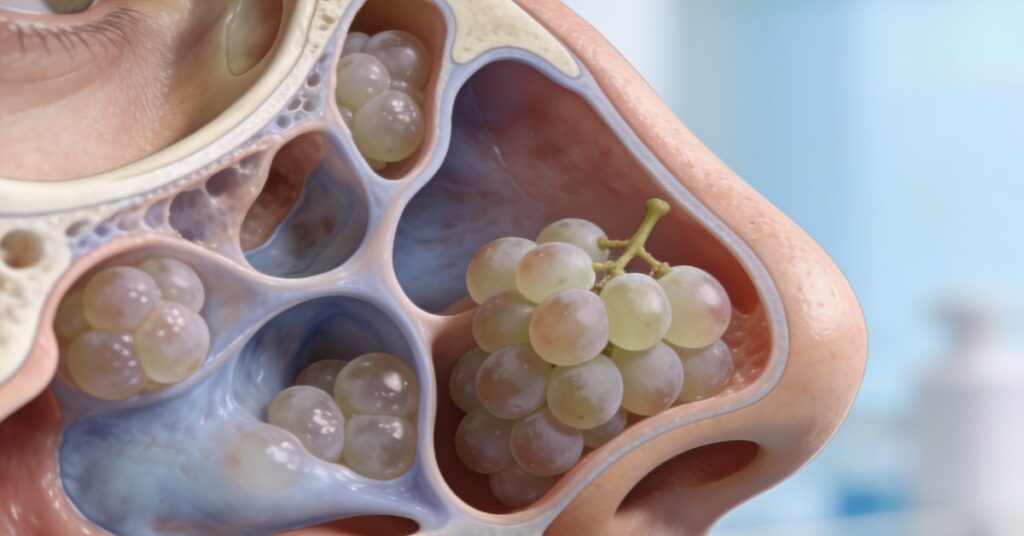
Nasal polyps are non-cancerous, soft, grape-like growths that develop on the lining of your nose or sinuses, and according to official Nasal Polyp NHS guidance, they are not life-threatening. While they are benign, these growths often cause chronic obstruction and discomfort that require medical intervention if they persist beyond 12 weeks. It is important to monitor your symptoms closely, as these polyps are frequently associated with underlying conditions such as asthma, which affects 20% to 40% of patients diagnosed with this condition.
Nasal polyp NHS
Understanding Nasal Polyps
Nasal polyps are benign, soft, and painless tissue growths that develop on the interior lining of the sinuses or nasal passages. These formations typically arise as a result of prolonged inflammation. You may notice them appearing as small, grape-like structures that can be grey, pink, or yellowish in hue.
Key Characteristics and Causes
These growths are fundamentally linked to persistent irritation and swelling within the nasal cavity and sinuses. As a chronic inflammatory condition, they often develop gradually. Medical professionals frequently observe a correlation between the presence of these polyps and underlying issues such as asthma or various allergies. Structurally, they are gelatinous, consisting of approximately 95% water.
Recommended Management Strategies
To effectively manage the condition and seek relief, the NHS suggests several practical methods:
- Steroid Sprays or Drops: These are typically the initial treatment prescribed to reduce the size of the polyps and help prevent their recurrence.
- Nasal Saline Irrigation: Rinsing the nasal passages helps clear mucus and decrease inflammation. This can be achieved by mixing one level teaspoon of salt and one level teaspoon of bicarbonate of soda into approximately one pint of cooled, boiled water. High-volume irrigation, often achieved with squeeze bottles, is generally more effective than standard sprays.
- Avoiding Irritants: You should minimise your exposure to airborne substances that trigger inflammation, such as chemical fumes, cigarette smoke, and allergens.
- Surgical Intervention: If conservative medical treatments prove ineffective or if the polyps are significantly large, your GP may provide a referral to an ENT specialist. Endoscopic sinus surgery is an effective procedure used to remove the growths and alleviate nasal obstruction or sinus infections.
Long-Term Maintenance
Because these growths have a tendency to return, medical practitioners often advise the continued daily use of steroid nasal sprays, even following successful medical or surgical intervention, to maintain clear passages and prevent future complications.
Seeking Medical Advice
It is advisable to schedule an appointment with your GP if you experience symptoms including facial pressure, a diminished sense of smell, or a persistent blocked nose that lasts for more than a few weeks. Furthermore, you should seek professional medical attention if you notice any bloody discharge originating from a single nostril.
Recognising Every Nasal Polyp Symptom and Risk
The primary symptoms of nasal polyps include a persistent blocked or runny nose, frequent sneezing, and a noticeable reduction in your sense of smell and taste. Patients often report discharge from the front of the nose or a post-nasal drip where mucus flows into the throat, causing a persistent clearing of the throat and potential changes to the tone of your voice.
| Symptom Category | Common Indicators |
|---|---|
| Nasal Obstruction | Blocked nose, voice changes |
| Sensory Issues | Poor sense of smell and taste |
| Drainage | Runny nose, post-nasal drip |
You must seek urgent medical attention if you notice a polyp growing in only one nostril, as this can sometimes indicate a more serious issue that requires immediate investigation. The key is staying vigilant for warning signs:
- Severe or sudden nose bleeding
- Unexplained facial swelling
- Intense facial or eye pain
- High fever or sudden, severe headache
The Diagnostic Process and GP Contact Advice
A GP will typically diagnose nasal polyps by assessing your symptoms and conducting a physical examination of your nasal passages, often using a penlight to identify visible, pale, grape-like growths. If the initial assessment is inconclusive, your GP will refer you to an Ear, Nose, and Throat (ENT) specialist for a more thorough investigation of your nasal blockage and facial pressure.
Specialists often use nasal endoscopy, which involves a thin, flexible lighted telescope, to get a clear view of the deeper sinus cavities. To ensure a comprehensive diagnosis, they may also order a Computerised Tomography (CT) scan for detailed 3D imaging or conduct allergy tests and blood work to identify any underlying causes contributing to the chronic inflammation of your nasal lining.
Effective Treatment and Nasal Polypectomy Advice
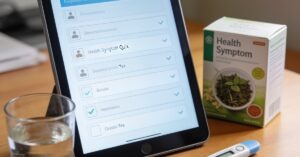
Treatment for nasal polyps generally begins with steroid nasal sprays or drops, such as fluticasone or mometasone, to reduce inflammation and shrink the growths. Dealing with these symptoms can be frustrating, but keeping a simple symptom diary helped me stay on top of things when discussing my progress with the doctor.
- Start with prescribed steroid sprays or drops.
- Use an oral course of prednisolone (5–14 days) if advised.
- Perform saline rinses: 1 level teaspoon of salt and 1 level teaspoon of bicarbonate of soda in 1 pint of water.
- Seek an ENT referral if no improvement is seen after 12 weeks.
For patients with severe, chronic cases that do not respond to standard interventions, biologic medications like Dupilumab may be considered as a targeted long-term treatment strategy.
Surgical Recovery and Managing Potential Complication
The nasal polypectomy procedure is a common surgical intervention that typically lasts approximately 30 minutes, after which a structured recovery plan is vital for success. You should plan to take 1 to 2 weeks off work and strictly avoid strenuous activity, heavy lifting, or vigorous exercise for at least 2 weeks to prevent post-operative complications.
Important: Do not blow or pick your nose for at least 1 week following the procedure. To minimise congestion, sleep with your head elevated on 2 or 3 pillows and perform saline rinses 2 to 3 times a day starting the day after your surgery.
Long-term Patient Care and Recurrence Advice
Nasal polyps often grow back within a few years after surgery, though the speed of recurrence depends largely on the level of inflammation in your sinuses. While milder cases may remain clear for 10 to 20 years, those with very inflamed nasal passages may notice regrowth within a few months, necessitating a proactive, long-term approach to maintenance.
The latest Nasal Polyp NHS recommendations suggest using steroid nasal sprays consistently after surgery to keep inflammation at bay and prevent the polyps from returning. If you feel your symptoms are worsening or if you observe no sign of improvement after about 12 weeks of follow-up treatment, contact your GP or NHS 111 to review your management plan.
Frequently Asked Questions
Can nasal polyps cause permanent loss of smell?
While nasal polyps often reduce your ability to smell, this is usually due to physical blockage or inflammation rather than permanent nerve damage. Once the polyps are treated or removed, many patients find that their sense of smell gradually returns to normal.
Do I need to follow a special diet for nasal polyps?
There is no specific diet that cures nasal polyps, but some patients find that reducing intake of inflammatory foods helps manage overall sinus health. Always discuss any significant dietary changes with your GP to ensure they align with your broader health needs.
Are there any specific side effects of steroid nasal sprays?
Steroid nasal sprays are generally safe, but some patients may experience mild irritation, dryness, or a slight nosebleed during the initial stages of use. If you experience persistent discomfort, consult the patient leaflet provided with your medication or speak to your pharmacist for advice.
How do I know if my nasal polyps are infected?
Signs of an infection include thick, discoloured yellow or green nasal discharge, increased facial pressure, and a high temperature. If you suspect an infection, you should contact your GP, as you may require a different course of treatment, such as antibiotics, alongside your regular polyp management.
Adhering to your prescribed steroid nasal spray regimen is the most effective strategy for preventing the recurrence of these growths. You are not alone in this journey, so please reach out to your GP if symptoms persist, as timely professional support can significantly improve your quality of life.