
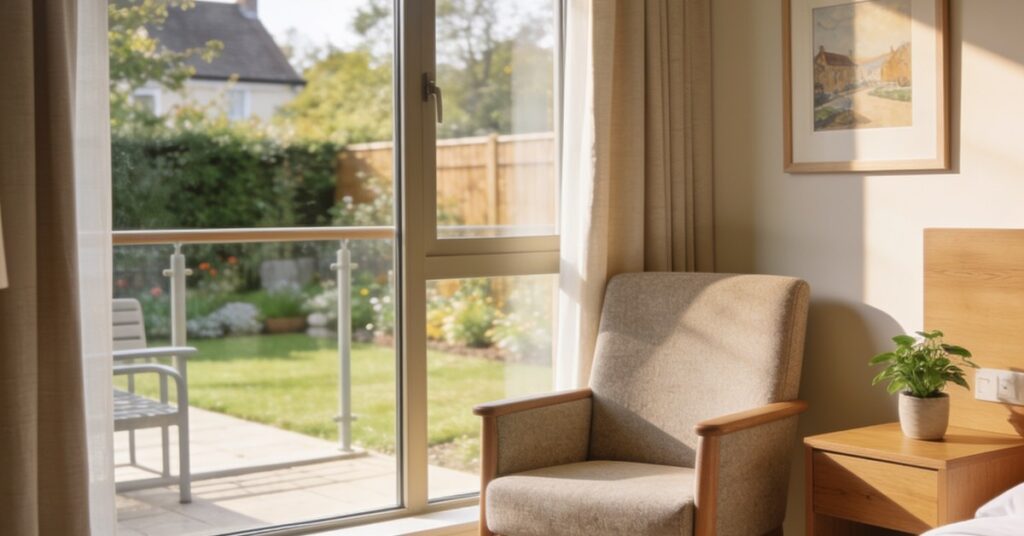
Navigating the transition to assisted living is a significant milestone that requires careful planning to ensure the long-term well-being and comfort of a loved one. In this guide, I will provide a clear, evidence-based breakdown of what a residential care home actually entails, helping you understand the services provided, the eligibility criteria, and how to effectively evaluate your options. By clarifying these essential details, I aim to give you the confidence and practical knowledge needed to make the right care decision for your family.
What is a residential care home
Understanding Residential Care Homes
A residential care home serves as a dedicated facility offering round-the-clock lodging, nutritional support, and personal assistance for individuals who are no longer able to manage independent living. These establishments prioritise the facilitation of daily routines and general wellbeing rather than providing continuous, intensive clinical nursing.
Core Objectives and Services
These homes cater primarily to seniors aged 65 and above, although they may also support adults living with physical disabilities, learning difficulties, or specific mental health requirements. The primary focus remains on maintaining a high quality of life through consistent staff supervision and personal support.
Key Features of Personal Care
- Daily Task Assistance: Staff members provide help with routine activities, such as bathing, dressing, toileting, and maintaining mobility.
- Medication Management: Support is offered to ensure that individuals take their prescribed medicines correctly.
- Medical Oversight: Unlike nursing homes, standard residential care homes do not typically employ registered nurses on a permanent basis. Instead, medical interventions are coordinated through visiting General Practitioners or local community health services.
Distinguishing Between Care Types
It is essential to understand the functional differences between the two main categories of long-term care facilities:
- Residential Care Homes: These focus on providing social support, emotional companionship, and practical help with the activities of daily living.
- Nursing Homes: These facilities employ qualified nursing staff on-site 24 hours a day to manage complex health conditions, provide frequent clinical monitoring, and deliver specialised medical treatments.
Regulatory Standards and Guidance
In England, all providers are subject to strict oversight and mandatory inspections conducted by the Care Quality Commission (CQC). Their role is to ensure that every facility upholds rigorous standards of safety and care quality.
For those navigating the complexities of choosing the right environment, official resources such as the NHS Social Care and Support Guide offer comprehensive advice regarding assessments and funding options. Families are encouraged to utilise professional directories to compare local facilities, read authentic feedback from residents, and evaluate the specific amenities and services offered by various homes.
What is a residential care home and how does it function?
A residential care home is a professional facility that provides 24-hour personal support and staff supervision for individuals who can no longer manage their daily living needs independently at home. Understanding exactly what is a residential care home is the first step in ensuring that your relative receives the appropriate level of support for their specific health needs. These homes act as a vital bridge between purely independent living and high-dependency clinical environments, offering a structured, safe setting where residents receive consistent assistance with their daily routines. Each facility provides private bedrooms, which often include en-suite bathrooms, allowing residents to maintain a sense of personal space while having immediate access to support staff around the clock.
The operational model of these homes centres on facilitating holistic care rather than providing intensive medical treatment. Staff members are responsible for coordinating visits from essential external healthcare professionals, including GPs, dentists, and physiotherapists, to ensure that the individual’s health is monitored by the appropriate experts. Because these homes are not equipped to provide 24/7 qualified nursing care, they serve as an ideal environment for those who require help with personal tasks—such as bathing, dressing, and continence management—rather than continuous clinical intervention. In England, the quality and safety of these services are strictly regulated and monitored by the Care Quality Commission (CQC), which inspects and rates homes to ensure they meet mandatory standards of care. When researching, always check the latest CQC reports to confirm the facility maintains a high standard of safety and operational excellence.
Distinguishing residential care from a nursing care home
The fundamental difference between these two types of care is the level of on-site medical oversight: a nursing care home provides 24/7 clinical care from qualified nurses, whereas a residential care home does not offer routine on-site medical treatment. Ever wondered how to decide which type of care is actually necessary for your relative? It is a common challenge, but identifying the gap between personal support and clinical dependency is key.
| Feature | Residential Care Home | Nursing Care Home |
|---|---|---|
| Clinical Staff | Visiting GPs/Community Nurses | 24/7 Qualified Nurses |
| Complexity | Personal & Social Support | Clinical & Medical Procedures |
| Typical Cost | Generally more affordable | Higher due to clinical staffing |
While a nursing care home is equipped to handle complex clinical tasks like injections, complex wound care, and the management of intensive medical equipment, a residential home focuses on social support and assistance with activities of daily living. Residential care homes rely on community-based medical support to handle health-related requirements as they arise, which is perfectly suited for residents who are medically stable but require help with medication reminders, meals, and mobility. If your loved one requires regular medical monitoring or complex nursing interventions, a residential setting may not provide the necessary level of clinical oversight, making a nursing care home a more appropriate choice. You should always consult the NHS Social Care and Support Guide to understand the professional needs assessments that dictate which level of care is medically appropriate for an individual’s specific health profile.
Core care services that a residential care home provides
Residential care homes provide a wide array of care services designed to support the physical, mental, and social health of their residents. At the heart of this care is 24-hour personal support, including direct assistance with essential daily tasks such as washing, dressing, and maintaining mobility. Furthermore, homes take the burden of medication management off the individual, ensuring that all prescriptions are stored securely and administered correctly at the prescribed times to prevent health complications. This systematic approach to daily living allows residents to maintain their dignity while receiving the necessary help to manage chronic conditions or age-related decline.
Beyond personal care, these facilities prioritise the resident’s quality of life through daily care and support:
- Nutritious meals tailored to specific dietary requirements.
- Daily housekeeping and laundry services.
- Structured social programmes and entertainment.
- Physical and mental exercise sessions.
- Specialised care for dementia, respite, and palliative needs.
These services are designed to combat isolation and physical deterioration by keeping residents socially engaged and physically active through regular, structured activities. The goal is to create an environment where the resident feels supported rather than institutionalised, allowing them to participate in hobbies and social interactions that are vital for maintaining mental well-being in later life.
Determining eligibility and support when you consider a care home
Eligibility for a residential care home is determined through a formal process where anyone aged 18 or over is entitled to a free care needs assessment. To get the ball rolling, follow these steps:
- Visit the official GOV.UK website to start your application.
- Request a formal care needs assessment from your local council’s social services department.
- Undergo a financial assessment to determine individual contribution levels.
The financial landscape in England is defined by asset thresholds; individuals with assets exceeding £23,250 are classified as self-funders. It is important to note that if an individual’s care needs are primarily health-led, the costs may be covered in full by NHS Continuing Healthcare. Families should be aware of the financial commitment, as the average weekly fee for specialist dementia care is approximately £1,343, making early financial planning crucial. Understanding the funding pathways early in the process can prevent unnecessary stress and ensure that the transition to a care environment is as smooth as possible for all parties involved.
Daily life when you move into a care home
Life in a residential care home is designed to mirror a comfortable domestic environment while ensuring that residents receive the support they need to thrive. From my experience, seeing a loved one personalise their room with familiar photos and furniture makes a world of difference in their transition; it turns a facility into a home. A typical day generally begins between 7:00 AM and 8:00 AM, with staff assisting residents with their morning hygiene and dressing routines, followed by a day filled with communal dining, arts and crafts, gardening, and socialising. Evenings often transition to more relaxed socialising, which may include movie nights, quizzes, or quiet time. This structured routine provides a sense of security and familiarity that is essential for those who may be experiencing cognitive decline or anxiety regarding their living situation.
How to find the right care home and benefits of residential care
To find the right care, you should utilise verified online directories that provide comprehensive information regarding registered care services and their performance history. Carehome.co.uk is the primary resource in the UK for this purpose, as it offers a detailed directory of registered residential care homes, allowing users to compare facilities, view inspection ratings, and access information on typical weekly fees. If you are still asking yourself „what is a residential care home” as you browse these lists, remember that each directory entry is designed to give you a snapshot of the facility’s culture, staffing, and regulatory standing.
Important: Always cross-reference the information found online with your own observations during a site visit before finalising your decision. Look for a home that not only meets your logistical requirements but also fosters an environment where your loved one feels safe, respected, and socially included. By combining official CQC inspection data with your personal assessment of the home’s atmosphere and the specific care services provided, you can ensure you have selected a facility that genuinely supports the health and daily well-being of the resident.
Frequently Asked Questions
Can I have a trial period before I move into a care home?
Many facilities offer respite stays which act as a perfect trial period for you to experience the environment before making a permanent commitment. This allows both the resident and the family to assess the suitability of the care services provided in a real-world setting.
How are medication needs handled in a residential care home?
Staff are trained to manage, store, and administer medications according to strict safety protocols, ensuring that all dosages are taken at the correct intervals. They act as a vital safeguard for residents who may struggle with complex medication schedules or cognitive impairment.
Are there restrictions on visiting hours?
Most residential care homes operate an open-door policy for family and friends, encouraging regular visits to maintain the resident’s social connections. It is always best to check the specific home’s policy, as some may request coordination for mealtimes or structured activity periods.
What happens if a resident’s health needs change over time?
If a resident’s needs progress beyond the scope of residential care, the home will work with the local authority and healthcare professionals to facilitate a reassessment. This ensures that the resident is moved to the most appropriate setting, such as a nursing home, to receive the necessary clinical support.
Choosing the right residential care environment requires a balance of assessing clinical needs and prioritising the personal comfort of your loved one. Always verify current inspection ratings via the CQC website to ensure the facility meets your required standards for safety and daily support.