Understanding how to handle High Risk Foods is a cornerstone of protecting your digestive health and preventing the avoidable distress of foodborne illness. In this guide, I will share evidence-based strategies for identifying, storing, and preparing these items safely so you can confidently manage your kitchen environment. By applying these professional insights, you will gain the practical knowledge needed to safeguard your well-being and maintain the highest standards of Food Hygiene at home, ensuring you can navigate the complex landscape of food safety with ease.
Understanding High Risk Foods and Why They Cause Food Poisoning
High Risk Foods are defined as nutrient-dense items that provide the ideal conditions for Harmful Bacteria to multiply rapidly, directly increasing the risk of illness. These foods typically possess high protein content, high moisture levels, and a neutral pH, which collectively act as a catalyst for microbial proliferation. Common Food Examples include cooked rice, meat, Poultry, Seafood, Dairy Products, eggs, and cooked pasta, all of which require rigorous safety protocols to prevent Contamination. These High Risk Items are often High In Protein, which serves as a primary fuel source for pathogens that would otherwise remain dormant in less hospitable environments.
The primary danger lies in the speed at which these pathogens, such as Salmonella, Listeria, E. coli, Bacillus cereus, and Campylobacter, can overwhelm a food source. Once contaminated, bacteria in the danger zone between 5°C and 60°C can double in number in as little as 20 minutes, turning a seemingly safe meal into a significant health hazard. These pathogens are the Bacteria That Cause Food Poisoning, and they thrive when food is Stored At Room Temperature for too long. For those seeking professional guidance on these safety standards, The Safer Food Group is located at Unit 2, Integrity House, Lower Lumsdale, Matlock DE4 5EX, where experts can assist with formal Food Hygiene Training.
It is vital to recognise that Acidic Foods or foods with High Sugar content often struggle to support the growth of bacteria, making them naturally safer. However, High Risk Foods are the ones most Likely To Cause Food Poisoning, especially when they are Raw Or Undercooked. Distinguishing between these groups is the first step in maintaining a healthy kitchen. Use this comparison table to identify your risk levels:
| Category | Examples | Risk Level |
|---|---|---|
| High Risk Foods | Meat, Poultry, Seafood, Cooked Rice | High (Requires strict temp control) |
| Low Risk Foods | Flour, Sugar, Honey, Dried Pasta | Low (Ambient storage is fine) |
Navigating the Temperature Danger Zone to Prevent Food Poisoning
The temperature danger zone is the specific thermal range in which bacteria thrive and multiply, and it must be avoided to ensure Food Safety. While the UK guidelines identify this critical range as 8°C to 63°C, the USDA defines it as 40°F to 140°F; in either case, the core principle is that High Risk Foods should never remain within these boundaries for more than two hours. Bacteria multiply most rapidly between 20°C and 50°C, with 37°C serving as the peak temperature for rapid multiplication. When you leave food out, you are essentially providing the Ideal Conditions For Harmful Bacteria to flourish.
Essential Temperature Control Measures to Prevent Food Poisoning
To effectively prevent bacterial growth, you must maintain precise thermal control throughout the storage and cooking process. Following these standards is non-negotiable for anyone serious about home health:
- Refrigerator temperature: Keep at or below 5°C to ensure Bacteria Struggle to reproduce.
- Freezer temperature: Keep at or below -18°C to halt biological activity.
- Core cooking temperature: Aim for 75°C, or 70°C for at least 2 minutes to Kill Bacteria efficiently.
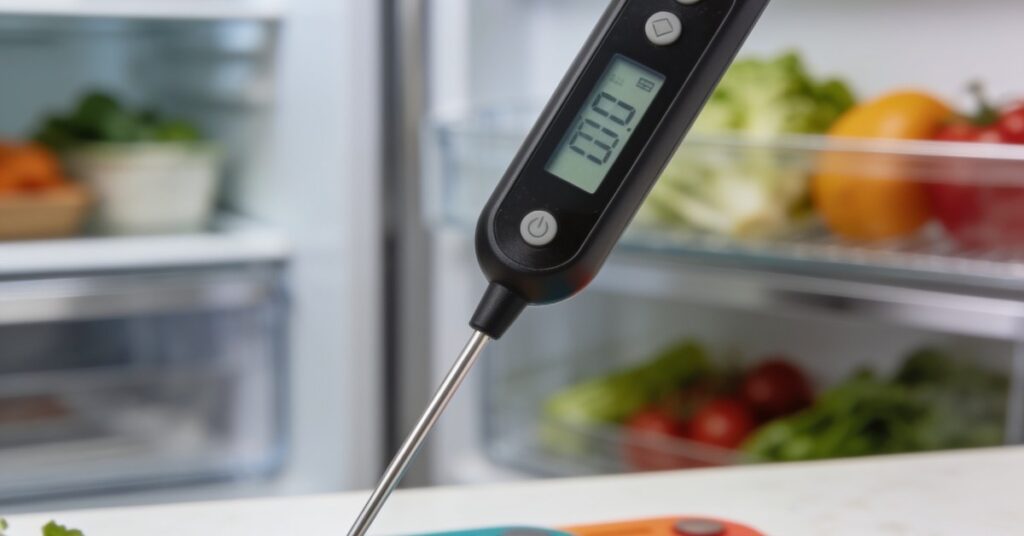
Always use a digital thermometer to verify your Safe Internal Temperature. If you are serving Hot Food, ensure it is held above 63°C to prevent any lingering pathogens from becoming a threat. Remember that Bacteria Can Multiply even at moderate temperatures, so never assume that a „cool” spot in the kitchen is safe for storage.
Best Practices for Handling High Risk Foods Safely
Safe food handling requires a disciplined approach to storage, starting with the immediate refrigeration of leftovers within two hours of the initial cooking time. When preparing food for storage, allow cooked items to cool to room temperature within a window of 60 to 90 minutes before placing them into the refrigerator; this prevents the internal fridge temperature from rising and endangering other items. Always store your High Risk Foods in airtight, sealed, and clearly labelled containers to prevent Contaminate spread and ensure you consume refrigerated leftovers within two days.
Preventing Cross-Contamination is vital during the Food Preparation phase. Follow this sequence to keep your kitchen clean and your family safe:
- Wash hands with soap and warm water for at least 20 seconds before touching any food.
- Prepare Ready-To-Eat Foods first using clean equipment to avoid Bacteria Spreading.
- Store Raw Meats on the bottom shelf in leak-proof containers to prevent Juice from dripping onto other items.
- Use colour-coded boards for Raw And Cooked Foods to avoid contact with cooked items.
Important: Never wash raw meat in the sink, as the splashing water can disperse pathogens across your kitchen surfaces up to three feet away. Instead of using reusable sponges, which are often breeding grounds for microbes, opt for disposable paper towels or single-use cloths. This is a fundamental lesson taught in any Level 2 Food Hygiene Course.
Identifying Signs of Spoilage in High Risk Foods
Recognising the signs of spoilage is a critical skill, though you must be aware that some dangerous pathogens do not alter the appearance or smell of food. For instance, while beef turning grey-brown instead of red is a clear visual indicator of meat spoilage, cooked rice and pasta can harbour Bacillus cereus without any detectable changes. If in doubt, throw it out; it is not worth the risk of Illness or more severe systemic infections. Always check Best Before Dates and Use By dates, but rely on your senses too.
When dealing with Dairy Products, look for curdling or unnatural clumps in milk or cream, which suggests that Bacteria Struggle to stay contained as the acidity changes. A pungent, sulfurous, or „rotten egg” smell in egg-based dishes like Quiche or Mousse is a definite red flag. By being observant, you can minimise the chance of consuming food that is Prone To Contamination.
Dietary Precautions for High Risk Foods During Pregnancy
Pregnant women must avoid specific High Risk Foods to protect both themselves and their developing baby from serious infections, as their Immune Systems are often more vulnerable. You should strictly avoid raw or runny eggs, Unpasteurised Milk, and all forms of pâté or cold deli meats. These items pose a heightened risk of carrying pathogens like Listeria, which can have severe consequences during gestation. Lightly Cooked Eggs in homemade mayonnaise or dressings are also considered a High-Risk Food that should be avoided in favour of pasteurised alternatives.
Certain seafood and cheese varieties also present unique safety hazards that are best avoided. Remove shark, marlin, swordfish, orange roughy, and catfish from your diet, and steer clear of mould-ripened soft cheeses with a white coating. By choosing safer alternatives, you are directly preventing the ingestion of pathogens that are Likely To Cause Food Poisoning in high-risk groups.
Legal Requirements and Food Hygiene Training
Food businesses handling High Risk Foods are legally required to manage their operations under strict regulatory frameworks to ensure consumer safety. They must implement a robust Food Safety Management System based on HACCP principles and comply with The Food Safety and Hygiene (England) Regulations 2013, Regulation (EC) No 852/2004, and Article 14 of Regulation (EC) No 178/2002 regarding the monitoring of 'use by’ dates. Furthermore, every business handling these products must be registered with their Local Authority, and staff should undergo regular Food Hygiene Training to maintain standards. Whether you are seeking a Food Hygiene Certificate or an Online Food Safety course, the knowledge gained is invaluable.
Important: Any employee experiencing symptoms such as vomiting or diarrhoea must be excluded from the workplace for at least 48 hours after those symptoms have completely ceased to prevent an outbreak. This rule protects both the staff and the customers, ensuring that the food chain remains uncompromised by human-to-food transmission of pathogens. The FSA provides comprehensive guidance on these legal obligations, which are essential for any business dealing with types of food that are prone to contamination.
Frequently Asked Questions
Can I safely reheat food more than once if I keep it in the fridge?
No, you should only reheat food once to maintain optimal Food Safety standards. Repeated cooling and reheating cycles drastically increase the window for Bacterial Growth and potential contamination, which is why experts advise against it.
What is the safest way to thaw frozen High Risk Foods?
The safest method is to thaw them slowly in the refrigerator, ensuring the temperature remains at or below 5°C throughout the process. Never thaw raw meat on the kitchen counter at room temperature, as this allows the exterior to enter the danger zone while the centre is still frozen, creating Ideal Conditions For Harmful Bacteria.
Do I need to clean my fridge specifically to avoid cross-contamination?
Yes, regular cleaning with food-safe sanitiser is essential to remove any bacteria that may have spilled from raw meat containers. Focus on wiping down seals and shelving units where residues from High Risk Foods can accumulate, as this is a primary site for Bacteria Spreading.
Are there specific requirements for reporting food-related illness?
Yes, food businesses must report suspected outbreaks of food poisoning to their local Environmental Health department immediately. This is a crucial step in the legal compliance framework for Safer Food and preventing wider community impact, ensuring that the FSA can track and mitigate potential outbreaks effectively.
Strict adherence to temperature control and hygiene protocols remains the most effective way to protect your well-being from the dangers of bacterial growth. By keeping your High Risk Foods outside the danger zone, you are taking a simple yet vital step toward ensuring every meal you prepare is both safe and nourishing for you and your loved ones.