Dealing with the intense throat pain and high fever associated with Herpangina in adults can be a challenging experience, especially when it disrupts your daily life. In this article, you will find evidence-based insights into the symptoms, transmission, and practical management strategies needed to navigate this condition with confidence. We provide a clear, professional roadmap to help you understand what to expect during your recovery and how to effectively support your health at home.
Herpangina in adults
Understanding Herpangina in Adulthood
While often associated with childhood, herpangina is a viral infection that can indeed manifest in adolescents and adults. The condition is triggered primarily by enteroviruses, most commonly the coxsackievirus A or B. Although adults typically possess a degree of natural immunity developed during their younger years, they can still contract the virus through close contact with infected individuals, such as in schools, childcare settings, or communal living environments.
Recognising the Symptoms
The clinical presentation of herpangina in adults can be quite intense. Once the incubation period of three to five days has passed, the following symptoms may emerge:
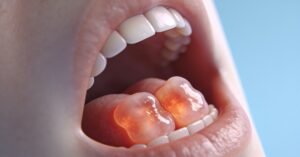
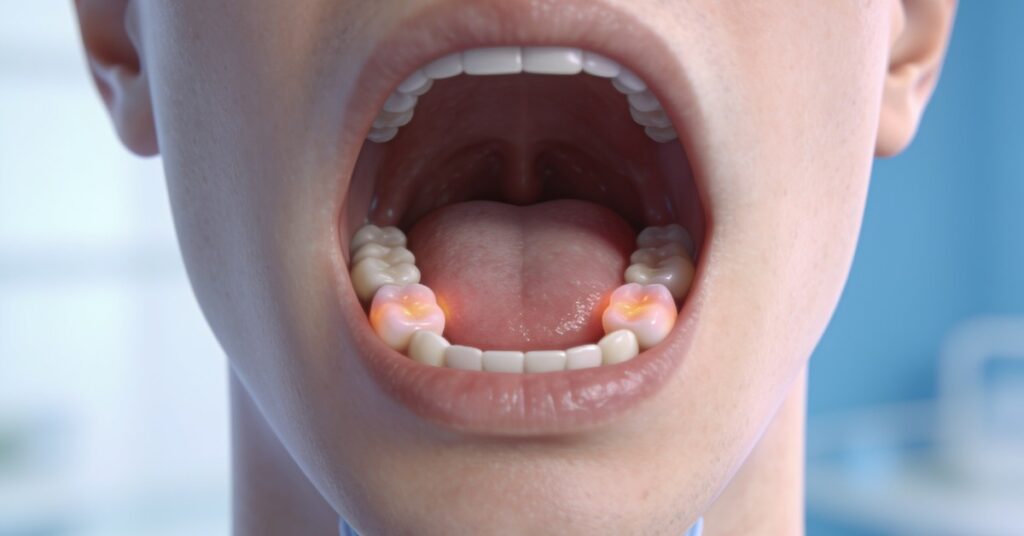
- Oral Lesions: Small, grayish-white blisters appear at the back of the throat, on the tonsils, and upon the soft palate. These quickly develop into shallow, painful ulcers.
- Systemic Reactions: Patients often experience sudden, high fevers, severe throat pain, and significant discomfort when swallowing.
- General Malaise: Additional indicators include persistent fatigue, headaches, tender lymph nodes, and a reduced appetite.
- Absence of Rash: It is important to note that, unlike hand, foot, and mouth disease, herpangina does not typically result in rashes on the extremities.
Transmission and Epidemiology
The virus spreads via respiratory droplets, saliva, contact with contaminated surfaces, or faecal-oral routes. Because of widespread childhood exposure to these strains, it is relatively uncommon for adults to fall ill. However, the infectious nature of the disease means that transmission remains high in environments where hygiene levels vary or where people live in close quarters.
Management and Relief Strategies
There is no specific antiviral therapy for herpangina; consequently, the focus of care is on alleviating discomfort and preventing the onset of dehydration. Recommended strategies include:
- Medication: Over-the-counter pain and fever reducers can be effective in managing symptoms.
- Hydration: Maintaining fluid intake is vital. Cold beverages, ice pops, and rehydration solutions are particularly beneficial for those struggling to swallow.
- Dietary Adjustments: Opt for soft, bland foods. It is advisable to avoid acidic, spicy, or salty items that may irritate the oral ulcers.
- Local Comfort: Gargling with saltwater and using throat lozenges may help mitigate local irritation.
When to Seek Professional Medical Advice
Whilst herpangina is generally a self-limiting condition that resolves within seven to ten days, seeking medical consultation is essential if you experience red flags such as severe dehydration, a fever that will not subside, an inability to swallow saliva, or a painful headache coupled with a stiff neck. Pregnant women and individuals with compromised immune systems should remain particularly vigilant and should contact their general practitioner for bespoke advice.
Immediate Overview: What Is Herpangina in Adults?
Herpangina in adults is a self-limiting viral infection primarily characterised by the sudden onset of a high fever and painful blister-like ulcers located in the back of the throat. While this condition is statistically more frequent in children, adolescents and adults can certainly contract it, typically experiencing a swift progression of symptoms that resolve within a standard window of 7 to 10 days. The primary goal for any adult managing this infection is to maintain adequate hydration and control systemic pain while the immune system works to clear the underlying enteroviral pathogen.
Identifying Common Symptoms of Herpangina and Recovery Timelines
The hallmark symptoms of Herpangina in adults include a fever ranging from 101° F to 104° F (38.5° C to 40° C) and the appearance of small, blister-like ulcers on the soft palate, uvula, tonsils, and back of the throat. Beyond these oral manifestations, patients frequently report a severe sore throat, dysphagia (difficulty swallowing), persistent headaches, neck pain, and swollen lymph nodes. A general loss of appetite is also common, often secondary to the intense discomfort experienced during swallowing. While the discomfort often feels relentless, the process is biological; the body requires time to neutralise the virus, and patience is your best ally during the first few days of acute illness.
Regarding the recovery timeline, most individuals find that their fever generally resolves within 3 to 5 days of the initial onset. While the discomfort can feel overwhelming, the disease is clinically expected to resolve in less than 10 days with appropriate supportive care. Patients should monitor their progress closely, as most cases clear up completely after this one-week to ten-day period, provided no secondary complications arise.
Primary Causes Herpangina and Transmission Pathways
The causes of Herpangina involve a variety of enteroviruses, with the primary culprits being Coxsackievirus group A, including the A16 strain, and group B. Secondary viral triggers include Enterovirus 71 and various strains of Echovirus, contributing to a total of 22 associated enterovirus serotypes that can cause this specific clinical presentation. Understanding these origins helps clarify why the condition is so easily spread within households and communities, as these viruses are remarkably resilient in various environments.
The transmission of these viruses occurs through several distinct routes, often involving common household points of contact that many overlook during daily routines:
- Respiratory droplets released when an infected person coughs, sneezes, or talks.
- The fecal-oral route, often involving contaminated hands, surfaces, or shared utensils.
- Direct contact with fluid from the characteristic blisters or with an infected individual.
- Contact with contaminated environmental objects like door handles, light switches, or cutlery.
- Transmission via contaminated water sources, though this is less common in modern settings.
Effective Treatment for Herpangina and Home Management
The treatment of Herpangina focuses on symptom relief, as there is no specific antiviral treatment for the condition. From my experience, keeping a simple symptom diary helped me stay on top of my medication schedule when I was dealing with a similar viral throat issue; it prevents that „did I take my dose?” confusion when you are feeling under the weather and your cognitive focus is impaired by high fever.
| Category | Recommended Approach | What to Avoid |
|---|---|---|
| Pain/Fever Relief | Acetaminophen or ibuprofen | Over-the-counter drugs without checking labels |
| Oral Comfort | Warm saltwater gargle, benzocaine lozenges | Spicy, salty, or fried foods |
| Hydration | Cold liquids, electrolyte drinks | Hot soups, citrus fruits, fruit juices |
Important: If you are considering using viscous lidocaine, ensure you have a prescription from your doctor, as this topical anesthetic must be used correctly to avoid numbing your throat too much, which can lead to choking risks when eating. When preparing your home environment, ensure you have a stock of electrolyte drinks, as the dehydration risk is the most common reason for people to end up in the urgent care clinic.
Differentiating Mouth Disease and Diagnosis of Herpangina
The primary clinical difference between Herpangina and Hand, Foot, and Mouth Disease (HFMD) is the location of the blisters; Herpangina lesions are strictly confined to the soft palate, tonsils, and back of the throat, whereas HFMD features a rash on the palms of the hands and soles of the feet. Despite these distinct presentations, both conditions are caused by enteroviruses—most commonly coxsackievirus—and share a similar incubation period, with symptoms typically appearing 3 to 5 days after exposure.
Management strategies for both infections are largely identical, relying on paracetamol or ibuprofen to control fever and pain. Both conditions are self-limiting, usually resolving within the same 7 to 10-day timeframe, and are spread through similar vectors including saliva, respiratory droplets, and fecal contact. While Herpangina in adults is notably less frequent than in children, the clinical approach to monitoring and supportive care remains consistent regardless of the specific enteroviral diagnosis.
Complication of Herpangina and Risk Factors
While the vast majority of cases are benign, a complication of Herpangina can arise that requires medical intervention. The most immediate concern is dehydration caused by the reluctance to swallow due to throat pain. In rare instances, the underlying enteroviral infection can lead to more serious neurological or cardiac conditions, including aseptic meningitis, encephalitis, or myopericarditis. These require prompt medical assessment if you notice signs such as a stiff neck, confusion, photophobia (sensitivity to light), or severe chest pain that mimics cardiac distress.
Pregnant women represent a specific group that must exercise caution, as infection during pregnancy has been associated with preterm delivery, low birth weight, and neonates being small for their gestational age. Given that the typical resolution period is 7 to 10 days, any symptoms that persist beyond this window or appear to be worsening should be evaluated by a healthcare professional to rule out these less common but significant complications.
Frequently Asked Questions
Is Herpangina in adults contagious to others?
Yes, the condition is highly contagious and spreads through human-to-human contact, including the transfer of saliva, mucus, stool, or fluid from the blisters. Because the viruses can survive on contaminated objects like door handles, cutlery, and even in water, maintaining strict hygiene—such as frequent hand washing—is the most effective way to prevent spreading the infection to others during the 7 to 10 days the condition is active.
When should I seek medical help for Herpangina?
You should seek medical attention if you are unable to maintain hydration due to extreme pain, if your fever does not begin to improve after the first few days, or if you experience symptoms like a stiff neck, severe headache, or chest pain. While most people recover at home, professional advice is recommended for pregnant women or those with compromised immune systems to ensure that potential complications are managed early.
Can I prevent Herpangina through vaccination?
Prevention currently relies entirely on robust hygiene practices, as there is no vaccine available for the specific strains of coxsackievirus that cause this infection. You can limit your exposure risk by regularly disinfecting shared household surfaces, avoiding the sharing of utensils or drinks, and washing your hands thoroughly after using the restroom or caring for an infected individual.
Will the oral ulcers leave long-term scars?
No, the blister-like ulcers associated with this condition typically heal completely without leaving any scarring or lasting damage to the soft palate or throat tissue. The tissue regenerates as the virus clears, and most patients find that their throat returns to its normal, pain-free state once the 7 to 10-day recovery period has concluded.
Prioritise consistent hydration and gentle pain management to navigate this uncomfortable period with as much ease as possible. Remember that your body is resilient, and by staying patient through these 7 to 10 days, you will allow your immune system the necessary time to fully restore your health.