Maintaining strong Spinal Erectors Exercise routines is fundamental to protecting your long-term mobility and preventing the chronic lower back discomfort that affects so many of us in our daily lives. In this guide, I will provide you with evidence-based techniques to safely strengthen your posterior chain, helping you understand how to structure your training while avoiding common pitfalls that could compromise your recovery. By following these professional insights, you will gain the clarity and practical tools needed to build a resilient, pain-free back with confidence.
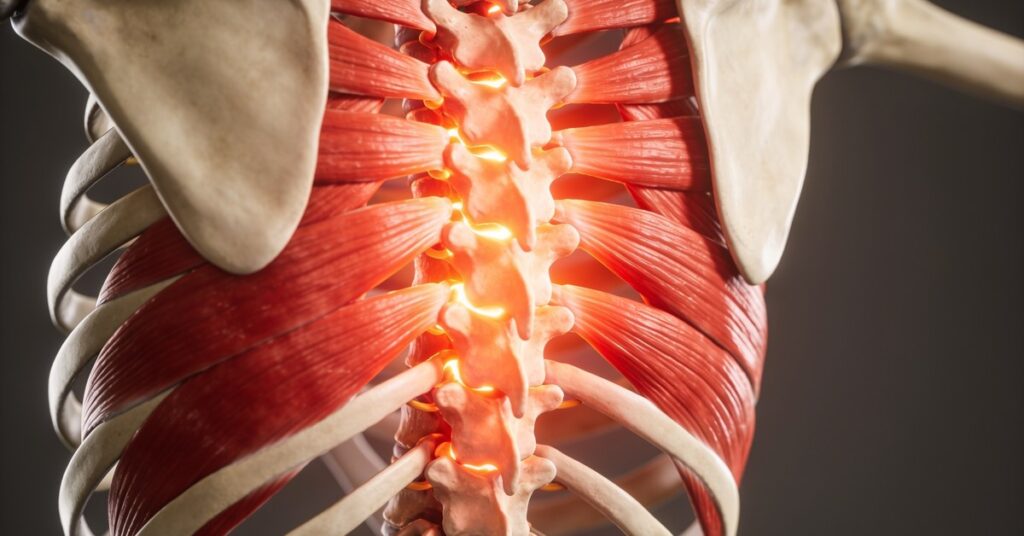
The Erector Spinae muscles comprise a bundle of tendons running vertically along each side of the vertebral column, serving the primary function of extending and stabilising the Spine. Strengthening these muscles through a targeted Spinal Erectors Exercise is the most effective way to alleviate chronic lumbar pain, improve posture, and provide the structural support necessary for everyday physical tasks. Whether you are an athlete looking to boost your Deadlifts or a desk worker trying to mitigate the effects of prolonged sitting, the principles of back health remain universal and require a disciplined approach to movement.
Best Erector Spinae Exercises to Strengthen the Spine
The most effective way to develop the Erector Spinae is through a combination of compound movements and isolation exercises that challenge the Muscle across its full functional range. Ever wondered if there is a specific way to categorise these for your weekly split to ensure you are not just working hard, but working smart?
| Exercise Type | Primary Goal | Equipment Needed |
|---|---|---|
| Deadlifts | Power & Hypertrophy | Barbell |
| Back Extension | Isolation | Roman Chair / Bench |
| Bird Dogs | Core Stability | None (Bodyweight) |
| Jefferson Curl | Spinal Mobility | Light Weight (Optional) |
Compound Movements for Power and Growth
Compound exercises like the Deadlifts and the Good Morning are the most efficient methods for building functional power and Muscle mass in the lower back. Conventional Deadlifts are superior to sumo variations for this purpose because they require a greater forward lean, which increases the lever arm and places a significantly higher demand on the Spinal Erectors Exercise. Similarly, Good Morning movements involve placing a barbell across the shoulders and hinging at the hips, which forces the Erectors to work isometrically to maintain a neutral Spine. For those who prefer seated variations, using an upright chest-supported row machine for seated hyperextensions provides an excellent alternative that allows for intense Muscle recruitment while maintaining Spinal safety.
Targeted Isolation and Bodyweight Exercises to Strengthen
Isolation and bodyweight movements are vital for those who need to focus on technique or are in the process of recovering from a minor back injury. Back Extension movements, performed on either a 45-degree or flat bench, allow you to isolate the lower back muscles effectively by squeezing the glutes and tucking the pelvis. Other essential movements include the Bird Dog, which involves extending the opposite arm and leg simultaneously while bracing the core, and the Prone Superman Hold, where you lift your arms and legs while lying face-down to build muscular endurance. Additionally, Jefferson Curl variations—an unloaded calisthenics movement—are highly effective for improving Spinal mobility by rolling the Spine down to the toes in a controlled, fluid motion.
Optimising Training Volume and Recovery for the Erector Spinae
To safely build Muscle and endurance in the Spinal Erectors Exercise, you should aim to train these muscles between 2 and 3 times per week while strictly adhering to recovery protocols. This frequency ensures that your tissues are adequately stimulated without becoming overtaxed, which is critical for preventing the very injuries you are trying to avoid.
I have found that keeping a simple training log helps immensely; it stops you from guessing your progress and ensures you aren’t overdoing the volume. Remember: Allow 48 to 72 hours of rest between intense sessions to provide your body the necessary window for tissue repair and adaptation. When selecting a specific Spinal Erectors Exercise to include in your session, ensure it aligns with your current recovery capacity rather than just your ego.
- Perform 3 to 5 sets of 4 to 6 reps for Deadlifts to maximise strength.
- Complete 3 sets of 8 to 10 reps for Good Morning to build posterior thickness.
- Target 3 to 4 sets of 10 to 15 reps for Back Extension to isolate the lumbar region.
- Hold each Superman repetition for 3 to 5 seconds across 3 sets of 10 reps.
Strategic Approaches: Equipment vs. Bodyweight Stretch
The choice between equipment-based training and bodyweight exercises should be based on your specific goal, whether it is increasing raw power or facilitating physical rehabilitation. External loads are necessary for maximum Muscle growth, whereas bodyweight movements are the gold standard for restoring range of motion and core stability after periods of inactivity or injury.
When utilizing external loads, the primary focus is on mechanical tension provided by barbells and dumbbells, as seen in traditional Deadlifts and Good Morning movements. In contrast, bodyweight training emphasises precision and control. Regardless of the method, the MoveU protocol suggests maintaining a consistent volume of 3 sets of 8 to 10 reps for Erector Spinae muscles to achieve optimal results. Choosing the right Spinal Erectors Exercise depends heavily on your baseline health, so do not shy away from bodyweight work or even a simple Band resistance if your back feels fatigued or compromised.
Avoiding Common Training Pitfalls for the Spine
The most common cause of injury during Spinal Erectors Exercise training is the failure to maintain proper form, particularly at the peak of a movement or under heavy load. By identifying these errors early, you can adjust your technique to protect your lumbar health and ensure long-term progress.
- Avoid hyper-extending the Spine at the peak of Back Extension.
- Do not allow your lower back to round during loaded hinging movements.
- Ensure you are not performing cervical flexion during your sets.
- Do not rely exclusively on compound lifts; include 4 to 6 sets of isolation work.
Managing Lower Back Discomfort Through Movement
If you are experiencing mild lower back pain, you can use targeted movements and soft tissue recovery techniques to improve mobility and reduce muscular tension. These methods are designed to decompress the Spine and encourage blood flow to the affected area, providing relief while maintaining functional movement patterns.
For those using dumbbells in their recovery, performing 3 to 4 sets of controlled movements can help reinforce the area. If you are experiencing significant stiffness, a target area massage lasting 2 to 5 minutes can help release muscular knots. For a low-risk strengthening option, incorporate reverse hyperextensions, which gently load the Erectors without the strain associated with standing variations.
Frequently Asked Questions
Can a Plank effectively replace dedicated Spinal Erectors Exercise?
While a Plank is excellent for overall core stability, it does not provide the same dynamic loading required to fully strengthen the Erector Spinae. It is best used as a foundational movement to assist in bracing before progressing to heavier lifts.
Is the Jefferson Curl safe for those with a history of back injury?
The Jefferson Curl should be approached with extreme caution and only after consulting with a physical therapist. It is an advanced mobility movement that requires perfect control and should never be performed with heavy weight if you are currently symptomatic.
How does a resistance Band affect the difficulty of my training?
A resistance Band adds variable tension, which can help overload the Muscle at the weakest point of a movement like a Back Extension. This is a great tool for increasing intensity without the need for heavy, cumbersome gym equipment.
Should I focus on the Erector Spinae muscles every single day?
No, you should never train the Erector Spinae muscles daily as they require significant recovery time to repair and grow. Aiming for 2 to 3 sessions per week is the optimal balance for long-term spinal health and strength gains.
Consistency in your training and strict attention to maintaining a neutral Spine during every single repetition remain your absolute best defences against injury. By prioritising slow, controlled movements, you ensure your muscles—not your spinal discs—carry the load, allowing you to build the resilient, pain-free back you deserve.