Understanding the physiological limits of alcohol metabolism is vital for making informed decisions and prioritising your long-term well-being. In this article, you will discover the scientific reality behind common sobering myths and learn exactly how your body processes alcohol, ensuring you are equipped with the evidence-based knowledge needed to manage your health safely. By focusing on proven physiological facts rather than quick-fix fallacies, we aim to provide you with the clarity and professional guidance required to navigate alcohol-related situations responsibly.
The Reality of How to Sober Up Fast from Alcohol
It is physically impossible to sober up fast because the body requires a significant amount of time to process and eliminate alcohol from the bloodstream. Many individuals search for how to sober up fast from alcohol in order to regain control, but there are no medical interventions or miracle lifestyle hacks that can bypass the liver’s biological pace. You may begin to feel the subjective effects of alcohol subside once your blood alcohol content (BAC) drops below 0.02, but even then, your system still contains measurable levels of toxins that continue to impair your judgement and motor functions. The belief that you can suddenly „switch off” intoxication is a dangerous misconception that ignores the fundamental way your internal organs handle ethanol.
Why You Cannot Speed Up the Way to Metabolize Alcohol
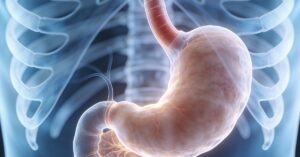
The liver metabolises alcohol at a fixed, unchangeable rate of approximately one standard drink per hour, meaning no external force can accelerate this process. This biological limit is defined by the liver’s enzyme capacity, where one standard drink is measured as 10 ml of pure alcohol or 8 g of ethanol. Because the metabolic pathway is constant, conventional methods often touted by those looking for how to sober up fast from alcohol simply fail to lower your BAC or assist the liver in clearing the substance any faster than its natural, steady pace. You are essentially waiting for a biological clock to wind down, and no amount of willpower or external stimulation will force the gears to turn more quickly.
Nutritional Influence on How Alcohol Affects Metabolism
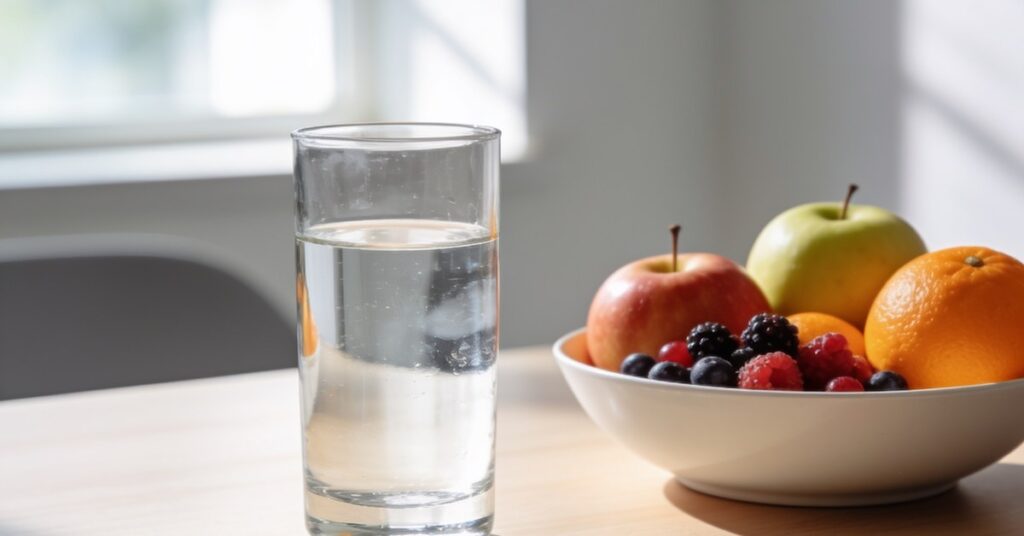
Strategic food consumption can influence the absorption rate of alcohol, though it does not increase the speed of metabolism itself. Eating a balanced meal before or during consumption can prevent alcohol from entering the bloodstream too rapidly, thereby tempering the spike in BAC. Furthermore, specific compounds like the fructose found in fruit can assist the body in converting NADH to NAD+, which offers a minor metabolic advantage in processing alcohol, though this effect is not a miracle cure for intoxication. From my perspective as a health advocate, keeping your stomach lined with food is the only genuine way to mitigate the initial intensity of the drinking experience, but it remains a preventative measure rather than a reactive one.
Debunking Common Myths About Getting Drunk and Sobering Up
Common household remedies are entirely ineffective at lowering your BAC or reversing the physiological impairments caused by drinking. Ever wondered if there’s a faster way to manage this? From my experience, skipping the „hacks” and accepting that time is your only friend is the most pragmatic way to handle the morning after. Many people fall into the trap of believing they can outsmart their own biology, but the data consistently shows that these methods are little more than urban legends that offer no clinical benefit.
| Myth | Why it fails |
|---|---|
| Caffeine | Only masks drowsiness; does not remove alcohol. |
| Cold Showers | No impact on chemical metabolism. |
| Exercise | Increases exhaustion but not toxin removal. |
The Ineffectiveness of Caffeine on Intoxication
Caffeine does not remove alcohol from the bloodstream, nor does it reverse the motor impairments that intoxication causes; it merely masks the drowsy effects of alcohol. A 2009 study demonstrated that mice given alcohol and a human-equivalent dose of eight cups of coffee performed significantly worse in a maze than their sober counterparts, proving that cognitive function remains compromised despite the feeling of alertness. While you may feel more awake, objective measures of sleepiness actually increase from two hours to six hours after alcohol consumption, creating a deceptive state where you feel functional while your brain remains suppressed.
Cold Showers and Physical Exertion
Cold showers do not work to sober you up, and according to the Hazelden Betty Ford Foundation, they provide no help to someone trying to regain sobriety quickly. The shock of cold water may cause a temporary increase in heart rate or alertness, but it has zero impact on the chemical breakdown of alcohol in the liver. Similarly, physical exercise is ineffective at lowering BAC; it only serves to increase your physical exhaustion without addressing the underlying metabolic burden on your system.
The Role of Hydration and How Long Does It Take to Recover
Drinking water and electrolyte-rich fluids support kidney function, which is essential for flushing out alcohol metabolites, though this does not accelerate the sobering process itself. When you are intoxicated, your body struggles with fluid balance; therefore, maintaining proper hydration is a vital aspect of managing the physiological stress caused by alcohol. Remember: While hydration helps your body manage the aftermath, it will not make you sober faster. It is merely a supportive measure to help your body cope with the dehydration and electrolyte depletion that typically accompany heavy drinking.
- Drink water consistently to aid kidney function.
- Use electrolyte-rich fluids to restore balance.
- Avoid further alcohol intake to allow the liver to recover.
When to Seek Medical Help for Severe Intoxication
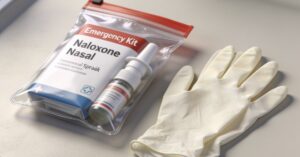
You must seek immediate medical help if excess alcohol consumption affects life-supporting functions, such as your ability to breathe, your heart rate, or your level of consciousness. Alcohol poisoning is a medical emergency that cannot be managed at home, and delays in seeking professional care can lead to severe, life-threatening complications. Important: If an individual is non-responsive or struggling to breathe, do not wait—contact emergency services immediately.
- Assess the person’s responsiveness and consciousness.
- Monitor their breathing and heart rate for irregularities.
- If symptoms are severe, call emergency services without delay.
Support and Professional Advice
For those looking for support, advice, or help regarding alcohol consumption, you can contact the Frank drugs helpline on 0300 123 6600. Professional services are equipped to provide the guidance you need, whether you are concerned about your own health or are attempting to assist someone else in a difficult situation. Reaching out to qualified professionals is the most responsible step you can take when navigating the challenges of alcohol use and its impact on your daily life.
Frequently Asked Questions
Does carbonated water help with alcohol absorption?
There is no evidence that carbonated water speeds up the sobering process or reduces BAC. While it may be hydrating, it does not assist the liver in metabolising alcohol any faster than plain water.
Can sweating through exercise help remove alcohol from my system?
No, exercise does not help remove alcohol from your bloodstream. Alcohol is primarily processed by the liver, and physical activity only increases your risk of dehydration and exhaustion.
Are there any specific vitamins that speed up sobriety?
No supplements or vitamins have been proven to accelerate the metabolism of alcohol. Relying on time is the only safe and effective way to allow your body to process and eliminate ethanol.
How can I identify if someone is suffering from alcohol poisoning?
Signs include confusion, vomiting, seizures, slow or irregular breathing, and unconsciousness. If you observe these symptoms, you must Seek Medical Help immediately as this is a life-threatening situation.
There is no medical shortcut to sobriety, so please be patient with your body and allow sufficient time for your liver to naturally clear the alcohol from your system. Prioritising rest and hydration is the most responsible way to support your recovery and ensure you return to a safe, sober state.