
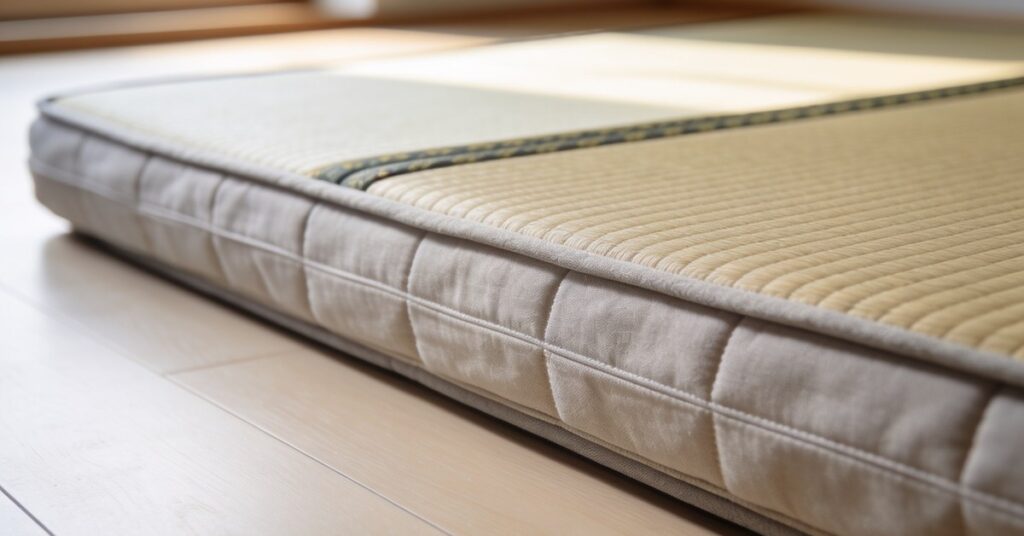
Finding the right sleep surface is a crucial step in managing chronic back pain and improving your overall recovery, yet the trend of floor sleeping is often surrounded by more speculation than clinical fact. In this guide, I will help you navigate the evidence-based realities of this practice, clearly outlining who might benefit, the potential risks involved, and how to safely prepare your environment if you choose to make the transition. By weighing the professional medical perspective against practical considerations, you will gain the clarity needed to make an informed decision for your long-term spinal health and well-being.
Determining whether Is Sleeping On The Floor Good For You requires a deep dive into your specific musculoskeletal health, sleeping position, and the firmness of the surface you choose. While some individuals find that a firm floor helps maintain spinal alignment, there is no clinical consensus that it is superior to a high-quality mattress, and for many people with chronic conditions, it can actually exacerbate symptoms. The ultimate goal of any sleep setup is to support a neutral spine and distribute body weight evenly, which is why most medical professionals suggest that a medium-firm mattress remains the most scientifically proven surface for general back pain relief. When you compare a soft mattress to a firmer surface, the difference in how your lumbar region is supported can be profound, impacting your overall sleep quality and energy levels the following morning.
Is sleeping on the floor good for you
The Advantages of Floor Sleeping
Opting for a firm surface like the floor can assist in maintaining proper spinal alignment, which may help manage persistent back discomfort. Because you are not sinking into a soft mattress, your spine remains in a more neutral posture.
Furthermore, floor sleeping often provides a cooler environment, as heat tends to accumulate higher up in a room. Additionally, the physical effort required to get up and down from the floor serves as a form of light exercise, which can enhance your overall flexibility and strength in your lower body over time.
Disadvantages and Risks
While some find relief, there are significant drawbacks to consider:
- Joint Stress: A hard floor lacks the necessary cushioning for your hips, shoulders, and knees, frequently leading to painful pressure points.
- Allergic Concerns: Being near the ground exposes you to higher concentrations of dust mites and potential mould, which can trigger respiratory issues.
- Cold Temperatures: During colder months, the floor can be excessively chilly, potentially increasing stiffness in your joints.
- Limited Comfort for Side Sleepers: Most individuals sleep on their sides, a position that is generally poorly supported by a flat, hard surface and may lead to spinal twisting or nerve irritation.
How to Sleep on the Floor Safely
If you choose to experiment with this practice, it is advisable to avoid sleeping directly on a bare surface. Utilising a thin mat, such as a traditional Japanese futon or a yoga mat, can provide a necessary layer of protection.
To promote health while doing so, follow these guidelines:
- Back Sleepers: Use a slender pillow for your head and place a small bolster under your knees to maintain the natural curve of your lumbar spine.
- Side Sleepers: Keep a pillow between your knees to minimise hip rotation and prevent unnecessary strain on your lower back.
When to Avoid Floor Sleeping
Medical experts often caution against floor sleeping for specific groups. Individuals who suffer from scoliosis, chronic joint pain, or significant mobility challenges should typically avoid rigid surfaces. Furthermore, older adults or those with brittle bones should seek the support of a medium-firm mattress instead, as the impact of a hard floor can be counterproductive to their orthopedic health.
The Clinical Reality of Back Pain and Surface Firmness
Firm surfaces can help reduce back pain for specific individuals, particularly those who require extra spinal support to prevent their hips from sinking during the night. A 2015 systematic review highlighted that moving to a firmer surface can be a viable therapeutic option for those suffering from non-specific lower back pain. By providing a rigid base, the floor forces the body into a more neutral alignment, which is especially beneficial for back sleepers who struggle with mattress sagging that causes the lower back to arch uncomfortably. If you find that your current mattress is too soft, you might find it beneficial to sleep on a firmer surface to see if it alleviates the morning stiffness you experience. Many people who sleep on the floor report that their back pain and posture improve significantly, as the lack of deep sinking prevents the spine from curving into unnatural positions.
For stomach sleepers, the floor can be an effective tool to prevent the hips from sinking, which is a common cause of lower back strain in traditional, softer beds. However, it is vital to acknowledge that a meta-analysis of 24 studies indicates that a medium-firm mattress is the most scientifically proven surface for back pain relief, outperforming both extremely soft and excessively hard surfaces. While the Sleep Foundation reinforces this finding, those who are curious about whether Is Sleeping On The Floor Good For You should view it as a controlled experiment rather than a guaranteed cure for chronic spinal issues. You should try lying on your back to assess if your spine remains neutral; if you feel significant gaps, you may need an additional cushion under your knees to maintain proper alignment.
Potential Benefits of Sleeping on the Floor and Posture
Potential benefits of sleeping on the floor include a cooler sleep temperature and the promotion of a neutral spine, which may help some individuals Get Better Sleep. By removing the plush layers of a standard bed, you eliminate the sinking effect that often leads to poor postural alignment throughout the night. There is very little scientific research on the subject, yet proponents often claim that the firm surface encourages a more natural skeletal stacking, potentially reducing the strain on the lumbar region for those already accustomed to firm support. Because the floor is often cooler, it can be a great relief for those who sleep hot and struggle to regulate their body temperature under heavy duvets.
Good posture is maintained when your ears, shoulders, and hips are aligned, and for many, a floor surface encourages this by offering no room for the body to collapse into a hammock-like curve. When the floor helps you maintain this alignment, you effectively prevent the micro-movements that can disrupt sleep health. However, you must be careful, as sleeping directly on the floor without a proper buffer can lead to excessive pressure on joints. If you decide to try sleeping on the floor, consider it a tool to augment your recovery rather than a permanent replacement for a well-structured sleep system.
Downsides of Sleeping and Disadvantages of Sleeping on Hard Surfaces
The disadvantages of sleeping on the floor include the formation of intense pressure points on the shoulders, hips, and heels, which can lead to discomfort or even aggravate existing joint inflammation over time. Because the floor is closer to the ground, you are at an increased risk of inhaling dust, dust mites, mould, and pet dander, which can trigger or worsen respiratory conditions like asthma. Many people underestimate the mechanical force exerted on bony prominences when they are not cushioned by at least a few inches of supportive material, leading to restless nights and potential soft tissue damage. The disadvantages of sleeping on a hard floor can manifest as localized numbness or persistent ache, particularly for side sleepers who require more contouring to protect their prominent joints.
The physical environment of the floor also poses a danger to your systemic health, particularly regarding temperature. Cold air tends to settle at the lowest point of a room, and materials like concrete, tile, or marble are highly heat-conductive, which can lead to shivering, muscle tightness, and the risk of hypothermia during colder months. For older adults, the combination of potential bone density loss and fatty tissue reduction makes a rigid floor surface particularly hazardous, as it increases the risk of bone fractures and chronic discomfort. If you want to sleep on the floor instead of a bed, you must ensure that you are not sleeping directly on cold surfaces, as heat rises and you want to maintain a stable core temperature throughout the night.
| Factor | Floor Sleeping | Mattress Sleeping |
|---|---|---|
| Support | Very High (Rigid) | Variable (Adjustable) |
| Temperature Control | Risk of Cold/Conductivity | Generally Better Insulation |
| Allergen Risk | High (Dust/Mites) | Lower (Elevated) |
| Mobility Impact | Difficult for joint pain | Easier access |
Who Should Avoid Floor Sleeping and Floor While Pregnant
Individuals with chronic bone or joint conditions, such as arthritis or sciatica, are strongly advised against floor sleeping because the lack of proper support can significantly worsen their symptoms. The floor is also unsuitable for those with limited mobility, as the act of getting up from the floor can place undue stress on the knees and hips, potentially leading to acute injury or increased chronic pain. Furthermore, sleeping on the Floor While Pregnant is generally discouraged due to the increased difficulty in getting up and the lack of necessary pressure relief for a changing body. For these individuals, a firmer mattress instead of the bare ground is the most logical way to ensure spinal alignment without compromising joint health.
- Older adults with low bone density who are at risk of fractures.
- Individuals with chronic joint pain or inflammatory conditions like gout.
- Side sleepers (due to shoulder and hip pressure causing numbness).
- People with respiratory issues like asthma or severe allergies aggravated by dust.
- Pregnant individuals requiring specialized support for the pelvis.
- Those with hypothyroidism or anaemia who suffer from cold intolerance.
Practical Strategies for a Best Sleep Setup and Cushioning
To sleep on the floor safely, you must first ensure the area is scrupulously clean and properly insulated to protect your body from the cold and allergens. From my experience, keeping a simple symptom diary during the first week of the transition helped me identify exactly which morning stiffness was due to the floor and which was just my regular back fatigue. When you are testing whether Is Sleeping On The Floor Good For You, you must document these physical changes to ensure you are not doing more harm than good. If you find that sleeping on the ground is too rigid, consider adding a thin foam pad or a folded sleeping bag to act as a temporary cushion.
- Clean the floor space thoroughly to remove dust, pet dander, and debris.
- Choose a carpeted area for better natural insulation and comfort.
- Lay down a moisture barrier as your foundational layer to prevent condensation.
- Add an insulation mat or thick rug to prevent heat loss to the floor.
- Place your sleeping mat or Japanese floor mattress on top.
- Adopt a modified side position with one leg bent to reduce spinal pressure.
- Use a thin pillow to keep your neck aligned with your spine.
Managing the Adjustment Period
Adjusting to the practice of Floor Sleeping is a gradual physiological process that typically requires at least one week to begin experiencing the real benefits. While some individuals may claim to adjust to the surface in as little as three days, it is more realistic to expect a period of three to four weeks before your body fully adapts to the new sleeping position. During this time, your muscles and joints are learning to compensate for the lack of traditional mattress contouring, which is why patience is essential. If you feel like you need a mattress on the floor, that is a perfectly acceptable middle ground to achieve the firm support you crave while still maintaining a layer of protection.
Important: If you experience sharp, shooting pain or numbness that persists beyond the first few mornings, stop the practice immediately and consult your physician to rule out underlying structural issues. Your body often provides feedback through acute pain signals when a new sleep surface is incompatible with your internal architecture, and ignoring these signs is a classic mistake. I have seen patients push through discomfort only to end up with acute inflammation that takes weeks to resolve, so prioritize your long-term health over the desire to follow a trend. If you find you still like the floor, try using it for short periods during the day for stretching, rather than committing to a full night’s sleep immediately.
Frequently Asked Questions
Can I use a Japanese floor mattress to improve my sleep?
Yes, a Japanese floor mattress is an excellent choice as it provides stable, firm support while still offering more comfort than a bare floor. These mattresses are designed to be easily rolled away, which helps maintain a clean sleep environment while providing the firm surface your spine may need.
Is floor sleeping suitable for side sleepers?
No, floor sleeping is generally not recommended for side sleepers as it often fails to provide the necessary contouring for shoulders and hips. This lack of support can lead to increased joint pain and numbness during the night, as the weight is concentrated on small, bony areas.
How can I reduce the risk of allergens when sleeping on the floor?
You can reduce allergen exposure by choosing a carpeted room, using a high-quality moisture barrier, and vacuuming the area daily. Keeping your bedding clean and elevated slightly by a mat can also significantly lower the amount of dust you inhale compared to sleeping directly on the floor.
What is the role of the constructive rest position?
The constructive rest position is a 10 to 15-minute technique used to decompress the pelvis and spine by lying on your back with knees bent and feet flat on the ground. It is a highly effective way to prepare your body for sleep or to relieve tension after a long day without requiring a full night of floor sleeping.
Prioritize your physical comfort by using proper insulation to shield your joints from the cold and prevent unnecessary strain. Listen closely to your body’s feedback during the transition, as your long-term spinal health is far more important than adhering to any specific sleeping trend.