Integrating a Stepper Exercise Machine into your daily routine is a highly effective, low-impact strategy for improving cardiovascular health and functional mobility from the comfort of your own home. In this guide, I will provide you with evidence-based insights on how to maximise your workout efficiency, select the right equipment for your physical needs, and avoid common biomechanical mistakes that could lead to injury. By following these professional recommendations, you will gain the clarity and confidence necessary to build a sustainable and safe home exercise programme that fits your lifestyle perfectly.
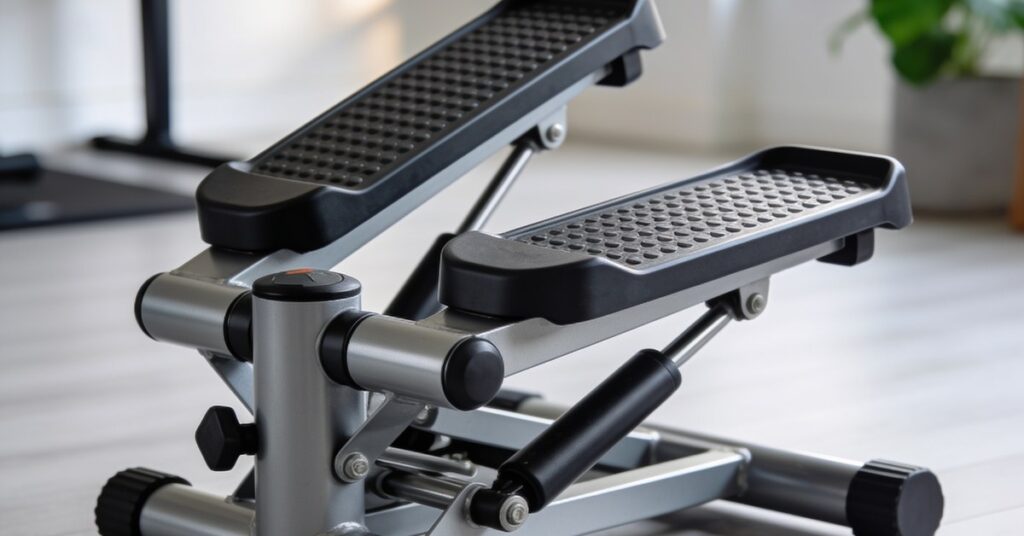
A Stepper Exercise Machine is a specialised piece of fitness equipment designed to simulate the physical motion of climbing stairs, providing a highly efficient method for enhancing cardiovascular fitness, building lower-body strength, and burning significant calories in a compact, home-friendly format. By utilising a vertical stepping motion, these machines offer a low-impact workout that effectively recruits the quadriceps, hamstrings, calves, and glutes, making them an ideal intervention for individuals aiming to improve functional fitness and core engagement without the high-impact joint stress associated with running or traditional aerobics. As someone who has spent years navigating home-based fitness, I have found that this specific equipment offers one of the most reliable returns on investment for busy individuals looking to maintain their metabolic health without the need for a massive gym footprint.
Clinical Benefits and Physiological Impact of Stepper Exercise Machine Training
Engaging in regular sessions on a Stepper Exercise Machine provides substantial cardiovascular and musculoskeletal health benefits, typically resulting in the burning of between 200 and 400 calories during a standard 30-minute workout. This caloric expenditure, combined with the rhythmic nature of the movement, supports weight management goals and improves overall metabolic health while protecting the joints from the repetitive shock of high-impact sports. From a physiological standpoint, the consistency of the vertical climb promotes better blood flow and cardiovascular endurance, which are essential markers for longevity and daily energy levels.
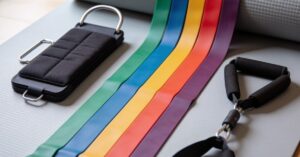
Beyond cardiovascular endurance, the stepper serves as a powerful tool for muscular development and stability. The machine actively recruits the quadriceps, hamstrings, calves, and glutes, creating a robust lower-body resistance effect that improves functional fitness and core engagement. Many compact models further enhance this utility by including a resistance band, which allows users to perform upper-body exercises such as bicep curls or triceps extensions, facilitating a total body workout while multitasking during activities like watching television or working at a standing desk. The integration of these bands means you are essentially getting a dual-purpose device that addresses both aerobic capacity and muscular endurance in one efficient session. By incorporating these movements, you are not just walking; you are engaging in a comprehensive full-body workout that challenges multiple muscle groups simultaneously.
Furthermore, the low impact workout nature of this equipment makes it an excellent choice for those who are returning to physical activity after a hiatus or those who need to protect their knees while still wanting to strengthen their lower body. Because you are essentially performing a controlled form of walking upstairs, you are conditioning your stabilizers in a way that flat-ground walking simply cannot replicate. The added benefit of having a compact cardio solution means that you can maintain your aerobic health regardless of the weather outside or the limitations of your living space.
Comparative Analysis: Stepper Machine and Stair Climber Versus Treadmill Cardio
Steppers provide a distinct biomechanical advantage over treadmills for weight loss and muscle toning because they offer higher resistance to the glutes, hamstrings, and quads while maintaining a significantly lower-impact profile on the knees and ankles. The following table highlights why many of us are making the switch to vertical climbing for our home gym setups:
| Feature | Stepper Machine | Treadmill |
|---|---|---|
| Primary Impact | Low-impact | High-impact |
| Muscle Targeting | Glutes, Hamstrings, Quads | General Cardio |
| Space Requirement | Compact / Minimal | Large / Floor-heavy |
| Calorie Burn (30m) | ~200-400 kcal | Variable (Speed dependent) |
When you look at the raw data, a 70kg person burns approximately 216 calories during a 30-minute session on a stair climbing machine, which is remarkably efficient given the minimal floor space required. Unlike a treadmill, which can be harsh on the joints due to the repetitive impact of running, the stair climber mimics the natural motion of climbing stairs, effectively combining cardio and resistance training. This makes it an ideal choice for those recovering from minor injuries or those who are simply looking to protect their long-term joint health while pushing their physical limits. The Stairmaster-style movement pattern specifically targets the posterior chain—glutes and hamstrings—more aggressively than flat-surface walking or running, providing a more focused muscle-building stimulus for the lower body while keeping your heart rate in the target zone.
Many users also find that the adjustable height settings on modern steppers allow for a level of interval training that is difficult to achieve on a standard treadmill. By increasing the step height, you can significantly alter the intensity of the session, turning a standard cardio workout into a rigorous strength training session. This versatility is why the climber machine has become a staple in many home gyms, offering a high-performance alternative to traditional aerobic equipment.
Guidelines for Proper Technique and Injury Prevention on Fitness Equipment
To ensure maximum safety and efficiency, you should follow a structured approach to your training sessions. From my own experience, keeping a simple log of your steps helps you stay consistent without overtraining your joints during those first few weeks. It is vital to remember that your body requires an adaptation period when introducing new mechanical stresses, and respecting this process is the hallmark of a smart, health-conscious athlete who values longevity over short-term gains.
- Start with 5 to 10 minute sessions to allow your tendons to adapt.
- Aim for 2,000 to 3,000 steps per session as a beginner.
- Begin at the lowest resistance setting to master your form.
- Maintain an upright posture with chest up and shoulders back.
- Keep the entire sole of the foot in full contact with the pedal.
Remember: Avoid leaning your body weight onto the handrails, as this common mistake can undermine the muscle-building potential of your workout by up to 60%. Always keep the motion controlled to prevent the pedals from hitting the top or bottom of the frame, as this ensures that the tension remains focused on your target muscles rather than the equipment’s mechanical stops. The non-slip pedals are designed for stability, so ensure your foot pads are positioned correctly to maximize your leverage and minimize unnecessary strain on your ankles.
When you focus on your posture, you engage your core more deeply, which is essential for stabilizing your body during the stepping motion. By keeping your chest up and shoulders back, you prevent the rounding of the spine that often leads to lower back pain. This is a crucial aspect of home fitness that many beginners overlook, but mastering it early on will pay dividends in your overall health and performance.
Common Biomechanical Errors when Using a Stepper Machine for Home Gym
Ever wondered if there is a faster way to manage your fitness without the usual aches and pains? Avoiding these specific pitfalls is the secret to a long-term, injury-free routine:
- Tiptoeing: Staying on your toes overloads the calves and causes persistent Achilles tendon strain.
- Poor Posture: Hunching forward rounds the shoulders and places unnecessary stress on the lower back.
- Shallow Stepping: Using rapid, short steps prevents the pedals from moving through their full range of motion.
- Resistance Overload: Cranking resistance too high leads to jerky movements and premature exhaustion.
- Skipping Warm-ups: Neglecting a warm-up session increases the risk of acute muscle pulls.
Important: Mini steppers are not suitable for workouts lasting longer than 15 minutes, as the hydraulic cylinders are designed for compact, short-duration sessions rather than marathon cardio. Pushing these units beyond their capacity often leads to premature mechanical failure and compromises your workout form, so stick to the recommended timeframes to get the best results from your equipment. Using reinforced nylon components or heavy duty frames can provide extra peace of mind for heavier users, but even the strongest fitness mini units require proper care and maintenance to ensure they last for years.
Additionally, avoid the temptation to look down at your feet constantly while training. This tendency to hunch forward is one of the most common causes of neck and upper back tension. Instead, keep your gaze level, which helps maintain spinal alignment. If your machine with LCD monitor is placed low, try to position yourself so you can view your progress without dropping your chin to your chest, which keeps your cardio fitness goals in sight without compromising your neck health.
Selecting the Ideal Stepper Fitness Equipment for Your Fitness Goals
Choosing the right Stepper Exercise Machine requires a careful assessment of your available home exercise space, your specific fitness plan, and your physical requirements regarding height and weight capacity. When evaluating potential purchases, you should look for features such as an integrated LCD display for tracking progress and the presence of resistance bands, which significantly expand the variety of exercises you can perform. Having a clear plan—whether you are aiming for weight loss, muscle endurance, or functional fitness—will dictate which specific model provides the best value for your unique situation.
For those seeking specific solutions, the market offers several high-quality options tailored to different needs. The Bowflex Max Trainer M9 is widely ranked as the best overall for high-performance training, while the Niceday Mini Stair Stepper is noted as the best overall mini stepper, offering a robust 300lbs weight capacity and included resistance bands. For budget-conscious users, the Sunny Health and Fitness Mini Stepper is the premier choice, whereas the Sportsroyals Stair Stepper is the best mini stair stepper for heavy individuals. If your goal is office-based activity, the Cubii Move is categorized as the best under-desk mini stair stepper, while the NordicTrack Step Climber stands out as the most high-tech option for those seeking advanced app connectivity and tracking features. For simple, adjustable step height training, KAYMAN Exercise Steps offer versatile levels at 10 cm and 15 cm.
Always consider the max load and lbs weight capacity before making your purchase, especially if you plan on using additional weights during your training. Units with a 150kg capacity provide a stable base for almost everyone, and ensure that the frame does not flex or creak under pressure. Furthermore, choosing a fully assembled unit or one that is easy to put together will save you significant time and frustration during the setup process, allowing you to start your journey toward better health immediately.
Frequently Asked Questions
Can I use a Stepper Exercise Machine to improve my heart health?
Yes, regular use of a Stepper Exercise Machine provides an effective aerobic workout that strengthens your heart and improves circulation. By maintaining a steady pace, you can safely elevate your heart rate and build cardiovascular endurance over time, which is vital for long-term health management.
Is it necessary to use a resistance band with my Step Machine?
Using a resistance band is highly recommended if you wish to achieve a full-body workout by engaging your arms and shoulders while you step. It transforms the machine into a comprehensive piece of fitness equipment that targets multiple muscle groups simultaneously, making your sessions more efficient.
How do I know if my stepper has enough weight capacity?
You should always check the manufacturer’s specifications for the max load, as high-quality units often feature a 300lbs or 150kg capacity to ensure safety and stability. Choosing a heavy-duty model with reinforced construction is essential for users who require extra durability during intense sessions.
What does the LCD display on my stepper actually track?
The LCD display typically monitors essential workout metrics such as step count, time elapsed, and estimated calorie burn. Having a machine with an LCD monitor allows you to track your progress accurately, which is vital for maintaining motivation and meeting your long-term fitness goals.
Prioritising proper posture and full foot contact with the pedals will protect your joints and significantly increase the caloric efficiency of your training. Remember that steady, controlled movement is your greatest ally in building a sustainable and rewarding home fitness routine.