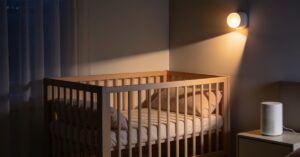
Observing a Newborns Laughing In Sleep can be both a delightful and unsettling experience for new parents, making it essential to understand the underlying physiological triggers for your peace of mind. This article provides evidence-based insights into why these involuntary reflexes occur, helping you distinguish between normal developmental milestones and symptoms that warrant a conversation with your paediatrician. By learning how to monitor these sleep cycles effectively, you can feel more confident and prepared in supporting your baby’s healthy neurological growth.
Newborns laughing in sleep
Understanding Infant Sleep Laughter
It is perfectly standard behaviour for a newborn to giggle, chuckle, or smile whilst they are fast asleep. These occurrences generally take place during the REM (Rapid Eye Movement) phase, frequently referred to as active sleep. Throughout this stage, your infant’s brain displays high levels of activity, and these bursts of laughter are usually unconscious reflexes triggered by dream patterns.
The Role of REM Sleep
After navigating the initial phases of the sleep cycle, an infant enters the REM stage. During this period, their brain processes information, which may result in the amusing expressions you observe.
Do Newborns Smile in Their Cot?
Yes, it is entirely normal. These smiles predominantly manifest during active or REM sleep cycles.
How to Respond
When you catch your baby laughing, experts suggest responding with an enthusiastic demeanour to encourage this positive development. Showing them your own warm smile can be a delightful way to interact.
Key Insights Regarding Your Sleeping Baby
- No Cause for Concern: Sleep-induced laughter is widely viewed as a positive indicator of robust neurological and emotional maturation.
- Common Behaviours: Alongside giggling, you may observe your infant twitching, making soft whimpering noises, or performing rhythmic sucking motions.
- Milestones for Genuine Laughter: Whilst newborns may laugh unconsciously during sleep, genuine social laughter prompted by tickling or expressive faces typically emerges between three and four months of age, with hearty belly laughs developing by five or six months.
When Laughter Might Indicate a Problem
In extremely uncommon scenarios, frequent or uncontrollable fits of laughter—particularly if the infant appears disoriented or distressed—might indicate a neurological condition, such as a gelastic seizure. However, for the vast majority of babies, this behaviour is completely benign.
Consulting a Medical Professional
Whilst laughter during sleep is rarely cause for concern, it is advisable to seek advice from a paediatrician if the laughter is accompanied by unusual physical movements, respiratory difficulties, or if you simply harbour persistent worries regarding your baby’s wellbeing.
Disclaimer: This content is provided for informational purposes only and does not constitute medical advice. Always consult with a qualified healthcare provider regarding your child’s health.
Is Laughing In Sleep Normal and Why Do Babies Laugh In Their Sleep?
Laughing in sleep is a perfectly normal occurrence for newborns and infants, primarily serving as a sign of healthy brain activity during their restorative sleep cycles. This phenomenon is deeply linked to the development of the nervous system as it matures during the first few months of life. While it may catch you off guard, medical professionals generally categorise these outbursts as an involuntary reflex or a „sleep twitch” rather than an emotional response to a dream or external stimulus. Many parents worry that Newborns Laughing In Sleep indicates a neurological problem, but in the absence of other symptoms, it is simply a byproduct of a rapidly evolving brain. Keeping a calm perspective is your best tool when navigating the unpredictable nature of early infant development. By understanding the basics, you ensure that you are not over-interpreting minor reflexes as signs of distress. It is a fascinating part of watching your child grow, and most of the time, these giggles are the best evidence that their brain is working exactly as it should during their precious downtime.
Why Newborns Exhibit Involuntary Sleep Laughter During REM
Newborns laugh in their sleep primarily due to involuntary muscle twitches and reflexes that occur as their nervous system develops. During these early months, spontaneous facial expressions serve a critical biological purpose: they help strengthen the neural pathways and facial muscles that will eventually be used for conscious communication. Because newborns spend approximately 50% of their sleep cycle in the REM (active sleep) phase, the brain is highly active, often resulting in these brief, reflexive bursts of movement and sound. This high level of activity is a hallmark of healthy development, reflecting the intense work the infant brain performs while the body rests. I often tell other parents that these little smiles are the brain’s way of „practicing” future social skills in a safe, low-stakes environment. It is quite remarkable when you consider the sheer volume of connections being forged behind those tiny, closed eyelids. While the laughter is typically harmless, parents should be aware that sleep laughing occurs during both REM and non-REM sleep stages. If you notice laughter lasting between 10 to 20 seconds, particularly as the baby is falling asleep, it is worth monitoring, as this can occasionally be an indicator of gelastic seizures. However, in the vast majority of healthy infants, these giggles are simply a symptom of the body’s complex, evolving sleep architecture, reinforcing that the internal wiring is coming along nicely despite the occasional oddity during a nap.
Distinguishing Gas From The Milestone of When Babies Start Laughing
To determine whether your baby is laughing due to a healthy reflex versus physical distress, you must observe the accompanying physical cues. Ever wondered if there is a way to tell the difference without panicking? Use the comparison table below to identify what you are seeing:
| Feature | REM Sleep Laughter | Gas or Discomfort |
|---|---|---|
| Physical Movement | Fluttering hands, soft sucking | Squirming, kicking, knees to chest |
| Eye Activity | Rapid eye movement | Eyes often squeezed shut or wide |
| Overall State | Relaxed breathing | Agitated or distressed |
It is important to understand that babies under six months of age likely do not dream in the way adults do, which reinforces the fact that these sleepy smiles and giggles are purely physiological. By learning to read these non-verbal cues, you can provide better care and comfort. Dealing with these symptoms can be confusing, but keeping a simple log of when these episodes occur helped me stay on top of things as a parent. When you document these moments, you remove the guesswork; seeing the patterns for yourself often reveals that the laughing is just a normal part of the sleep cycle rather than a medical emergency. I have found that most parents feel an immediate sense of relief once they learn to spot the difference between a „reflex giggle” and a „gas grimace.” If you notice the laughter is paired with the rhythmic movements of REM sleep, you can usually rest assured that your baby is comfortable and healthy. This clarity is invaluable for maintaining your own sleep hygiene, as less time spent worrying means more time for you to recover as well.
Tracking The Milestone When A Baby Starts Laughing
The progression toward intentional social laughter is a significant milestone that typically develops between three and six months of age. While a 3-week-old baby might frequently exhibit sleep cackles, these are distinct from the voluntary, social engagement you will see later. Most babies begin to laugh and giggle while awake between three and four months old, though survey data indicates that the very first instance of true laughter can occur as early as 3.5 months. You may notice the transition beginning with social smiling, which typically appears around the two-month mark. Some infants may take slightly longer, with up to seven months being within the normal range to produce their first intentional chuckle. Developmental laughter is easily distinguishable because it is characterised by direct eye contact, wide, genuine smiles, and excited, purposeful arm or leg movements in response to your voice or face, rather than the quiet, reflexive giggles seen during a nap. Watching this transition is one of the most rewarding parts of parenthood, as it marks the shift from biological reflexes to actual human connection. Being aware of these timing differences prevents unnecessary stress, as every child traverses this developmental path at their own unique pace. Remember that while Newborns Laughing In Sleep is common, the real magic happens when they start sharing those laughs with you during their waking hours.
When To Consult A Paediatrician About Your Baby Laughing
You should consult your paediatrician if your baby’s laughing fits become uncontrollable, repetitive, or if they consistently wake the baby from their sleep. Professional medical advice is also necessary if you notice that laughing occurs frequently while the baby is fully awake, as this may signal an underlying neurological concern rather than typical development. Important: If your baby does not reach specific milestones, such as failing to smile by 4 to 6 months or not responding to voices and faces by 6 months, a professional evaluation is recommended. Follow these steps if you are concerned about your baby’s development:
- Observe the laughter: Is it accompanied by eye contact or social engagement?
- Document the frequency: Note if it happens only in sleep or also when awake.
- Record a video: Showing your doctor a clip of the behaviour is often more helpful than a verbal description.
- Prepare a list of questions regarding your baby’s overall responsiveness.
Early intervention is vital if you observe a lack of interest in interacting with caregivers or a persistent absence of eye contact, as these can be signs that require further assessment. While it is rare, if you suspect any abnormal patterns, keep a log of the duration and frequency of the laughter to share with your healthcare provider. Trusting your instincts is a key part of parenting; if something feels fundamentally „off” regarding your baby’s behaviour or responsiveness, it is always safer to seek a clinical opinion. A professional evaluation acts as a safeguard, ensuring that any potential issues are addressed early. Do not feel guilty for asking questions; the role of a paediatrician is to provide that clarity, and as an advocate for your child, your proactive approach is exactly what they need to thrive. Your observations are the primary data source for any clinical assessment, so being precise and calm during these visits will yield the best results for your baby’s long-term health.
Frequently Asked Questions
Can I make a baby laugh if they are not laughing yet?
You generally cannot force a baby to laugh before they are developmentally ready, which typically happens around three to four months. Instead of focusing on getting them to laugh, engage in simple social interactions like peek-a-boo or gentle tickling to build the foundations for future social laughter.
Is a baby smile the same as a laugh?
No, a social smile typically develops earlier, around two months, and serves as an early sign of social awareness. Laughter is a more complex milestone that involves more advanced respiratory and neurological control, usually appearing a few months after the first social smiles.
How long should a laughing fit last?
Normal developmental laughter or reflexive giggles are usually brief, lasting only a few seconds. If you notice repetitive, uncontrollable laughing fits that last for 10 to 20 seconds, especially during sleep, you should inform your paediatrician to rule out any underlying medical conditions.
Should I worry if my baby is not laughing yet?
Most babies start laughing between three and four months, but some may take up to seven months to produce their first real chuckle. If your baby shows no interest in social interaction, fails to make eye contact, or does not respond to your voice by six months, schedule a consultation with your doctor.
Most instances of sleep laughter are simply healthy signs of a developing nervous system, so try to enjoy these charming moments while keeping a simple log of any persistent or concerning patterns. Always trust your instincts and reach out to your paediatrician if you notice anything that feels outside of your baby’s typical behaviour, as their expert guidance is your best resource for peace of mind.