
Managing your potassium intake is a vital component of protecting your kidney function and maintaining overall cardiovascular health in your daily life. This guide provides evidence-based clarity on which High Potassium Foods To Avoid, how to identify hidden additives, and practical cooking techniques to help you safely manage your levels. We are here to support you with the reliable, actionable insights you need to navigate these dietary adjustments with confidence and ease.
High potassium foods to avoid
Managing Your Potassium Intake
When you are required to monitor your potassium intake, often due to concerns regarding renal health, it is essential to restrict or steer clear of foods that are naturally rich in this mineral. Common sources include bananas, avocados, potatoes, tomato-based products, various dried fruits, and spinach. It is critical to scrutinise food labels for potassium chloride, a common ingredient in salt substitutes, and to remain vigilant regarding appropriate portion sizes.
Dietary Considerations
Potassium is ubiquitous in many food items and beverages, including processed goods such as fruit juices, crisps, and chocolate. Those suffering from kidney disease may find that their bodies struggle to process potassium effectively, which can lead to hyperkalaemia. For a bespoke nutritional plan, it is advisable to consult the specific guidelines issued by the UK Kidney Association or speak directly with your general practitioner or a registered dietitian.
Foods to Limit or Avoid
If you are prone to hyperkalaemia, consider limiting your consumption of the following items:
- Fruits: Bananas, oranges, avocados, kiwi, melons, pomegranates, and dried varieties like raisins, dates, prunes, and dried apricots.
- Vegetables and Legumes: Potatoes, sweet potatoes, parsnips, cooked spinach, beet greens, collard greens, winter squash, artichokes, okra, lentils, chickpeas, and baked beans.
- Grains and Nuts: All varieties of nuts and seeds, brown rice, and whole-wheat bread. Opt for white versions where appropriate.
- Beverages and Treats: Coffee, hot chocolate, coconut water, smoothies, dark chocolate, potato crisps, and products containing potassium chloride.
- Cereals: Wholemeal pasta, puffed wheat, Shredded Wheat, Bran Flakes, All Bran, Weetabix, Ready Brek, and porridge/oatmeal.
Preparation Techniques and Swaps
You can manage potassium levels effectively by employing specific culinary methods:
- Boiling Method: Peeling and boiling potatoes and vegetables can assist in leaching out a substantial portion of the potassium content.
- Rinse and Drain: Always drain and rinse canned vegetables and tinned pulses, such as kidney beans and chickpeas, before consumption.
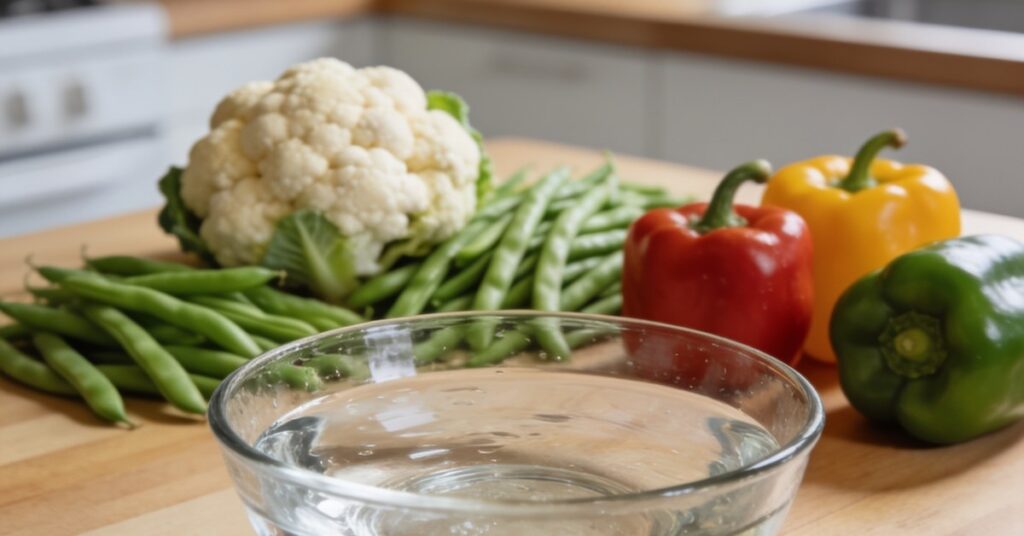
- Low-Potassium Swaps: Substitute high-potassium items with apples, berries, grapes, courgettes, bell peppers, or cucumbers.
- Safe Vegetables: Incorporate more low-potassium options into your diet, including alfalfa sprouts, asparagus (six raw spears), broccoli, cabbage, and carrots.
Nutritional Alternatives
Several foods naturally contain lower levels of potassium and can be suitable inclusions in a kidney-friendly diet. These include:
- Standard white bread, white rice, and white pasta.
- Par-boiled potatoes and vegetables.
- Carefully selected, low-potassium fruits and vegetables as mentioned above.
Immediate Guidance on High Potassium Foods To Avoid and Blood Potassium Levels
For individuals with impaired kidney function, the golden rule is to avoid any single serving of food that contains more than 200 mg of potassium. Because damaged kidneys have a reduced filtering capacity to remove excess electrolytes from the blood, consuming High Potassium Foods To Avoid can rapidly lead to levels that the body cannot safely process. Maintaining a strict awareness of portion sizes and nutritional composition is the most effective way to prevent the onset of hyperkalemia and protect your long-term renal health. When you consider that a single banana can contain over 400 mg of potassium, it becomes clear why monitoring your intake is not just a suggestion, but a medical necessity for preserving your remaining kidney function. You must view every meal as an opportunity to support your body rather than burden it with excess mineral loads that your kidneys are currently unable to clear.
Why Kidney Disease and Chronic Kidney Disease Require Managing Your Potassium Intake
People with kidney disease must restrict their potassium intake because their kidneys can no longer efficiently filter excess minerals from the bloodstream, leading to a dangerous accumulation known as hyperkalemia. This condition is particularly concerning because approximately 33% of adults in the U.S. are currently at risk for some stage of kidney disease, necessitating a tailored approach to nutrition that corresponds to the specific stage of their condition. By strictly managing your intake, you prevent the blood potassium levels from reaching a point where they threaten your physiological stability. Chronic kidney disease is a progressive condition, and your ability to manage your electrolyte balance directly influences how well you feel on a day-to-day basis. Ignoring these dietary boundaries can lead to a rapid decline in renal health, making it imperative that you understand the underlying mechanisms at play.
The Physiological Risks of Unsafe Blood Potassium Levels
Excess potassium in the blood creates a serious health hazard by disrupting the electrical impulses that are essential for controlling your muscles and your heartbeat. When these impulses are interfered with, you may experience significant health complications, including heart palpitations, persistent chest pain, or an irregular heartbeat. If left unmanaged, these unsafe levels can progress to severe muscle weakness or even fatal cardiac arrest, making dietary vigilance a cornerstone of your medical care plan. The heart relies on a very precise balance of electrolytes to maintain its rhythm, and even minor fluctuations in serum levels can trigger distressing physical responses. When you keep your levels within the prescribed range, you are essentially providing your heart with the stable environment it needs to function correctly without the threat of electrical interference.
Foods to Limit or Avoid and Foods High in Potassium
To safely manage your condition, you must avoid a wide range of common items that are naturally high in potassium. Ever wondered if your favourite snacks are secretly working against your kidney health? It is a common challenge, as the list of restricted items often includes foods previously considered healthy. You have to be diligent about scrutinizing your pantry and refrigerator to ensure you are not accidentally consuming high levels of this mineral through everyday staples.
| Category | Foods to Avoid |
|---|---|
| Fruits | Avocados, Oranges, Melons, Kiwi, Mango, Dried Fruits |
| Vegetables | Potatoes, Sweet Potatoes, Spinach, Tomatoes, Zucchini |
| Protein/Dairy | Milk, Yoghurt, Cheese, Processed Meats, Beans, Nuts |
Specific Nutritional Warnings for Starchy Foods and Processed Foods
Bananas are particularly high, containing approximately 467 mg of potassium per serving, and must be strictly limited or removed from your diet entirely to stay within safe daily limits. From my experience, keeping a simplified food diary for just one week helped me spot hidden potassium traps I hadn’t even considered in my daily routine. It is often the convenience foods—the deli meats, the canned soups, or the quick-fix snacks—that contain the most dangerous concentrations. By tracking what you eat, you start to notice patterns and can make the necessary substitutions to ensure your daily intake remains low. Being proactive about your grocery shopping is the most significant step you can take toward maintaining your health, as it allows you to choose low-potassium alternatives before they ever enter your home.
How to Reduce Potassium and Lower Your Potassium Levels Through Cooking
You can significantly reduce the potassium content of vegetables and pulses by employing specific preparation methods that encourage the minerals to leach out before consumption. Follow these steps to prepare vegetables more safely:
- Peel and cut vegetables into small, uniform pieces to increase surface area.
- Soak them in hot water for 5–10 minutes.
- Use a 10-to-1 water-to-food ratio when boiling.
- Discard all cooking water immediately; do not use it for stocks or gravies.
Many people find it frustrating to change their cooking habits, but these simple steps are incredibly effective at pulling potassium out of the plant cells. When you boil vegetables in a large volume of water and then discard that water, you are essentially removing the mineral content that would otherwise enter your bloodstream. It is a small investment of time that offers a massive return in terms of safety. I often tell those I mentor that the key is consistency; once you make this your standard way of cooking, it becomes second nature and you no longer have to think twice about the process.
Advanced Preparation for Legumes and Foods High in Potassium
Legumes and canned goods require additional attention to ensure they do not spike your daily intake. You should soak dried beans, peas, and lentils in water for several hours or overnight to remove excess minerals, and always ensure that canned pulses are drained and rinsed thoroughly before use. It is also important to note that dry cooking methods such as steaming, microwaving, roasting, and baking are not recommended because they retain the mineral content; therefore, you should boil vegetables thoroughly before adding them to any stews or casseroles. By avoiding the dry heat methods, you ensure that you are not concentrating the potassium within the food, which is a common mistake when people are trying to eat more vegetables. Always prioritize the boiling method with plenty of water to ensure you are maximizing the leaching process.
Reading Labels for a Low Potassium Diet and Hidden Additives
To identify hidden potassium, you must look directly at the ingredient list on packaged goods rather than relying on the 'Nutrition Facts’ panel, as foods containing less than 2% Daily Value may be listed as 0 mg. Manufacturers frequently include potassium-based additives for various purposes. Important: Always check the ingredient list for these specific additives:
- Potassium chloride (salt substitute)
- Potassium lactate (preservative)
- Potassium sorbate (mold inhibitor)
- Potassium phosphate (emulsifier)
- Potassium citrate (acidity regulator)
It is shocking how often these ingredients appear in products that you might assume are safe. Salt substitutes are particularly dangerous because they are often composed almost entirely of potassium chloride, which can cause a massive, immediate spike in your blood levels. You should treat any product containing these additives as a high-potassium risk, regardless of what the nutrition label claims. Being a savvy consumer means reading the fine print, as this is where the hidden dangers often lurk. Developing the habit of scanning the ingredients list before every purchase will protect you from accidental intake that could compromise your kidneys.
Tools for Label Transparency
Navigating the complex terminology on food labels can be daunting, so it is helpful to use established resources to guide your shopping habits. If you are unsure about the safety of a specific product, consult the National Kidney Foundation Guide or the Kidney Kitchen Food Label Guide. These resources are designed to help you identify hidden sources of potassium that might otherwise be overlooked, ensuring you remain in control of your dietary intake. You don’t have to navigate this alone; these guides are excellent for simplifying the decision-making process. I have found that having a quick reference guide on my phone while I am at the supermarket saves me a lot of time and prevents unnecessary stress during my weekly shop.
Recognising the Symptoms of Hyperkalemia and Kidney Health Concerns
Hyperkalemia is clinically identified when serum potassium levels exceed 5.5 mmol/L, leading to a range of physical and cardiac symptoms that require immediate attention. You may notice generalized muscle weakness, numbness, tingling, or painful muscle cramps as the electrolyte imbalance affects your nervous and muscular systems. Furthermore, digestive issues often occur, manifesting as nausea, vomiting, diarrhoea, and abdominal cramps, which serve as early warning signs that your body is struggling to maintain homeostasis. These symptoms are your body’s way of telling you that the internal environment is becoming unstable. It is essential to pay attention to these cues, as they often appear before the situation becomes life-threatening.
Cardiac Indicators of High Potassium
The most dangerous symptoms of high potassium levels are those that affect your cardiovascular system, as the mineral directly influences the rhythm of your heart. If you experience heart palpitations, chest pain, or shortness of breath, these are critical indicators that your heart’s electrical system is under stress. Because these symptoms can escalate rapidly, they should never be ignored or dismissed as minor discomforts. Your heart is the most vital organ affected by potassium, and when its rhythm is compromised, the situation requires an immediate medical response. Never hesitate to seek help if you feel something is off with your heart, as time is of the essence when dealing with electrolyte-induced cardiac issues.
When to Consult a Doctor About High Potassium Intake
You must seek immediate medical attention if you experience heart palpitations, chest pain, shortness of breath, or severe muscle weakness, as these are signs of critical electrolyte imbalance. You should also consult your doctor if you have chronic kidney disease (CKD) or reduced kidney function, as your dietary needs will be specific to your clinical stage. Additionally, always speak with a professional before using any over-the-counter potassium supplements or salt substitutes like LoSalt, which are specifically designed to be potassium-rich and can be dangerous for your condition. Your doctor can provide blood tests to determine exactly where your levels sit and adjust your care plan accordingly. Relying on their expertise is essential for managing a condition as complex as renal insufficiency.
Medication and Ongoing Medical Oversight
Your medical team needs to be aware of all substances you consume, especially if you are taking medications that impact electrolyte balance. If you are regularly prescribed ACE inhibitors, ARBs, or potassium-sparing diuretics, your doctor will need to monitor your blood levels more frequently. Remember: Blood potassium levels exceeding 6.5 mmol/L are considered a medical emergency that requires urgent hospital treatment to prevent life-threatening complications. Keeping your medical team in the loop is the only way to ensure that your treatments and your dietary choices are working in harmony. Never start or stop a medication, or even introduce a new supplement, without discussing it with your nephrologist or GP first, as the interactions can have significant consequences for your potassium levels.
Frequently Asked Questions
Can I eat low potassium foods freely if I have kidney disease?
While low potassium foods are generally safe, you should still follow the specific portion guidelines set by your renal dietitian. Even healthy foods can contribute to your total daily intake, so balance remains essential.
Is it safe to use salt substitutes if I have kidney disease?
No, you should avoid most salt substitutes because they are typically packed with potassium chloride. Always discuss any alternative seasoning options with your doctor to ensure they do not interfere with your blood potassium levels.
How often should I have my blood potassium levels checked?
The frequency of blood tests depends on your specific stage of kidney disease and your current medication regimen. Your nephrologist will determine the schedule necessary to monitor your levels and adjust your treatment plan accordingly.
Do I need to avoid all fruits and vegetables?
You do not need to avoid all produce, but you must be selective and use proper preparation methods like boiling. Many fruits and vegetables are excellent sources of nutrients that you can safely enjoy if you manage the potassium content correctly.
By consistently rinsing your pulses and boiling your vegetables, you can effectively lower your potassium intake while still enjoying a varied and nutritious diet. Remember that small, daily adjustments in your kitchen are your most powerful tools for protecting your kidney health and keeping your energy levels steady.