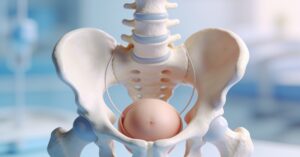
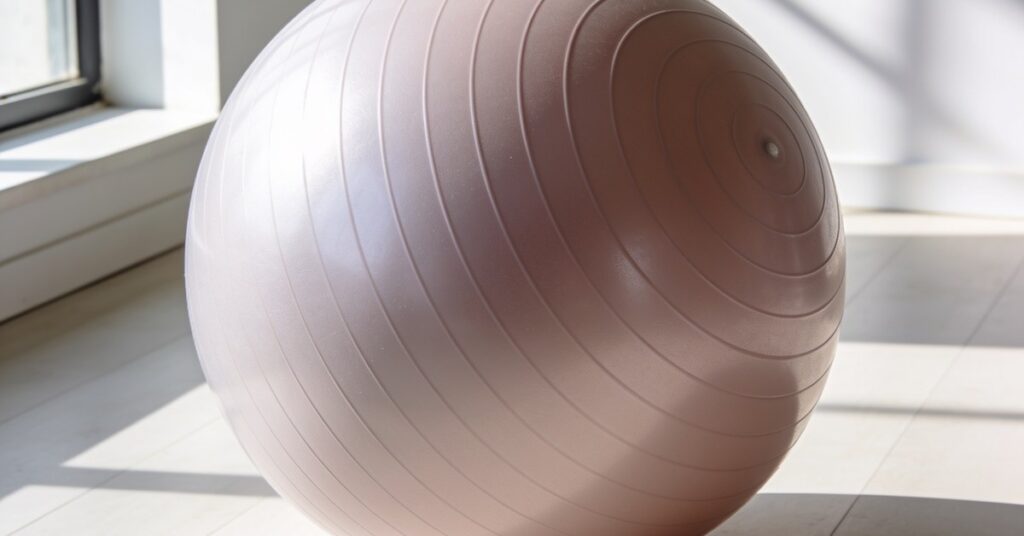
Navigating the physical demands of pregnancy requires effective, evidence-based tools to manage increasing back pain and improve pelvic comfort during daily activities. In this guide, I will walk you through the essential safety standards, correct sizing, and practical exercises needed to incorporate a birthing ball into your routine with confidence. You will learn exactly how to use this equipment to support your body’s changing needs, ensuring you are well-prepared for both your pregnancy journey and the stages of labour ahead.
Health Benefits of Using a Birthing Ball for Labour and Back Pain
Using an exercise ball, commonly known as a gym ball or birthing ball, provides significant relief from the physical strain of pregnancy by helping to distribute body weight, which offers essential support for your knees and ankles. Beyond simple comfort, this tool facilitates gentle stretching that helps relieve chest pressure and improves your breathing capacity as your baby grows. By maintaining an upright position while seated, you effectively open up the hips and relax the pelvic floor, which can be instrumental in managing the discomfort associated with a changing centre of gravity. Integrating an exercise ball pregnancy routine into your daily life is a proactive step toward maintaining musculoskeletal health during these transformative months.
When it comes to the birthing process itself, a birth ball becomes a vital clinical aid for managing labour. It helps to reduce the pain of contractions by allowing you to maintain mobile, upright positions that encourage gravity to assist the baby in descending into the birth canal. Furthermore, regular use of the ball significantly relieves lower back pressure, providing a non-pharmacological method to enhance your overall posture, balance, and stability throughout your maternity journey. Experienced healthcare providers often advocate for these methods because they promote active birth, allowing the mother to remain in control and responsive to her own body’s signals.
Selecting the Correct Anti-burst Exercise Ball and Sizing Guide
To choose the right size exercise ball for pregnancy, you must match your height to the ball’s diameter while ensuring your hips remain roughly 10cm (4 inches) higher than your knees when you are seated. A properly sized ball is the foundation of safe practice, as it ensures your joints are aligned correctly, preventing unnecessary strain on your ligaments or muscles during your movements. When shopping, always look for products labelled as anti-burst to ensure the material is designed to deflate slowly if punctured, providing a critical layer of protection against sudden falls. Understanding the importance of an exercise ball pregnancy fit is vital, as a ball that is too large or too small can negate the ergonomic benefits and potentially cause further discomfort.
Ever wondered if that generic yoga ball in the corner of your gym is actually safe for pregnancy? From my experience, you should never guess your size; stick to these professional recommendations to ensure you have the right support:
| Height Range | Recommended Ball Size |
|---|---|
| Under 5’4″ (160 cm) | 55cm |
| 5’4″ to 5’10” (160–178 cm) | 65cm |
| Over 5’10” (178 cm) | 75cm |
Safety Precautions for Maternity Ball Exercises and Setup
The most important safety precaution when using an exercise ball is to place it on a non-slip surface, such as a thick carpet or a dedicated yoga mat, to prevent the ball from sliding out from under you. Always keep your feet flat on the floor, spaced about shoulder-width apart, to ensure a stable base of support that protects your balance. You must ensure your knees maintain a 90-degree angle or are positioned slightly lower than your hips to prevent venous compression and discomfort.
Important: Avoid lying flat on your back after the first trimester, as this position can compromise blood flow; instead, use the ball for supported sitting or leaning exercises. Because high-quality birthing balls are designed to be robust, they are safe for daily use, but you must remain vigilant about the environment in which you exercise. Keep your equipment away from sharp objects that could compromise the anti-burst integrity, and always check the surface area for debris before each session to avoid accidental punctures. Consistent maintenance of your equipment ensures that when you need it for pain management, it remains a reliable tool rather than a potential hazard.
Practical Guide to Pregnancy Exercise and Ball Workouts
You can safely perform ball exercises by following a structured routine that focuses on pelvic mobility, starting with an anti-burst exercise ball on a non-slip surface to ensure full control over your movements. For the average height range of 5’4″–5’7″ (163–170 cm), a 65cm ball is the clinical recommendation for these specific movements. While sitting with your hips positioned slightly higher than your knees, you can follow these steps to manage your health:
- Pelvic Tilts: Gently rock your pelvis forward and backward to loosen tight lower back muscles.
- Hip Circles: Rotate your hips in a smooth, circular motion to improve overall mobility.
- Figure Eights: Trace the number „8” with your hips to encourage optimal pelvic alignment and fetal positioning.
- Wall Squats: Place the ball between the small of your back and a wall to safely perform squats.
- Kegels: Perform 10 quick contractions, three times a day, to strengthen your pelvic floor.
For comprehensive visual and procedural guidance, I recommend consulting the official NHS „How to use a birthing ball” guide available at nhs.uk. These movements are designed to be low-impact, ensuring that you can maintain physical activity even as your energy levels fluctuate. Engaging in these exercises regularly creates a muscle memory that can prove invaluable during the actual labour process, helping you transition between positions with greater ease and confidence.
When to Start Pregnancy Exercise Ball Routines
You can begin using an exercise ball at any stage of pregnancy, though the frequency and purpose of your sessions may shift as your body changes. During the second trimester (14–27 weeks), it is highly recommended to use the ball for short, 10–15 minute sessions to relieve chronic back pain caused by shifting posture. As you move into the third trimester (28 weeks), the ball becomes an essential tool for tracking fetal movements and finding a position that keeps you comfortable as your belly grows. Whether you use a standard model or a Babygo® Birthing Ball, the consistency of the movement is key to comfort.
From 32 weeks onward, consistent use is specifically recommended for fetal positioning and thorough pelvic preparation, which can help ensure your body is ready for the demands of labour. When sitting on the ball, whether at an office chair or while watching TV, ensure your feet are spaced about 24 inches (60 cm) apart to maintain optimal balance. By establishing this routine early, you allow your body to adapt to the gentle, rhythmic motion, which can significantly ease the transition into the final weeks of your pregnancy. Many expectant parents find that keeping the ball in a central living space encourages frequent, short bursts of movement rather than one long, exhausting session.
Frequently Asked Questions
Is it safe to use a birthing ball as a replacement for an office chair?
Yes, using an exercise ball instead of a standard office chair is safe and beneficial for short periods, provided you maintain proper posture and limit your sessions to 10–15 minutes at a time to prevent muscle fatigue. Ensure your desk height is adjusted so that your hips remain slightly above your knees, and always make sure the ball is placed on a non-slip floor surface.
Do I need an air pump to maintain my ball?
Yes, keeping a manual air pump on hand is essential because the material can stretch or lose pressure over time, which affects your ergonomic alignment. Check the firmness of your inflatable ball regularly to ensure it still meets the height requirements for your stature.
Can a peanut ball be used instead of a round exercise ball?
A peanut ball is a specialised shape often used in clinical settings to help open the pelvis during labour, whereas a standard round exercise ball is more versatile for daily pregnancy exercises and sitting. If you are specifically looking to assist with fetal positioning during the later stages of birth recovery, your midwife may recommend the peanut shape.
Should I include a birthing ball in my hospital bag?
While many hospitals provide birthing balls for patient use, checking with your maternity ward ahead of time is wise if you prefer to bring your own. If space in your hospital bag is limited, consider whether you will have access to a pump to inflate it upon arrival.
Adopting these habits ensures your body remains flexible and supported throughout the intensity of your gestation and upcoming delivery. Always verify that your ball is properly inflated to the recommended size for your height, as this simple check is the most critical factor in maintaining your physical safety and comfort.