
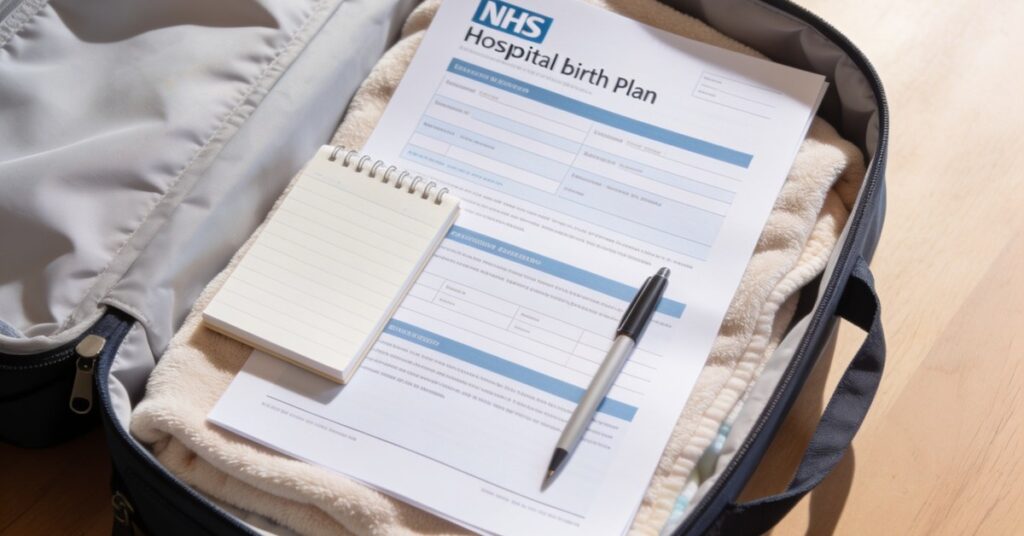
Creating a thoughtful NHS Birth Plan is a fundamental step in ensuring you feel empowered, informed, and supported throughout your maternity journey. In this guide, I will walk you through how to structure your preferences, explore the clinical options available for pain relief and labour, and explain how to effectively communicate these choices to your healthcare team. By the end of this article, you will have the practical tools and evidence-based knowledge required to prepare a comprehensive plan that keeps your well-being and personal needs at the heart of your care.
Understanding the Purpose of a Birth Plan and NHS Care Plan
An NHS Birth Plan is a practical document that serves as a formal, non-legally binding record of your preferences for Labour and Birth, designed to facilitate clear communication between you and your maternity care team. It acts as a primary reference for midwives, obstetricians, and nurses to understand your specific requirements regarding medical history, emotional needs, and cultural preferences during your delivery.
Having a documented Care Plan provides a reliable mechanism to specify your choices for interventions such as forceps, vacuum delivery, or the presence of medical staff in training. By explicitly stating your desires, you create a framework that helps clinicians provide care that aligns with your personal values while ensuring your medical safety remains the top priority during the birthing process.
How to Write a Birth Plan Template for Your Baby
To create an effective Birth Plan Template, you should use the official NHS Word document template (65KB) to document your personal details, including your name, due date, NHS number, and the contact information for your birth partner. Keep your document to a maximum of one page using bullet points or short sentences, as this ensures your preferences are easily digestible for staff during a busy shift.
| Category | What to Document |
|---|---|
| Personal | Name, Due Date, NHS Number, Partner Contact |
| Clinical | Birth location, Monitoring, Student presence |
| Newborn | Vitamin K choice, Feeding preference |
NHS Labour and Birth Options for Pain Relief
There is a wide range of evidence-based pain relief options available within the NHS, and you should list your preferred choices in your plan to help guide your clinical team. Ever wondered which options might suit your threshold best? From my experience, having a clear list prepared in advance prevents that „decision fatigue” when things start moving quickly in the delivery suite.
- Gas and air (Entonox): A mixture of oxygen and nitrous oxide.
- TENS machine: Uses mild electrical currents via pads on the back.
- Systemic injections: Pethidine or diamorphine for relaxation.
- Epidural: Administered by an anaesthetist to block pain signals.
- Physical methods: Birthing pools, sterile water injections, or paracetamol.
Discussing Your Care Plan and Birthing Preferences
You should discuss your completed document with your midwife during your 36-week antenatal appointment to ensure your preferences are realistic and understood. Follow these steps to ensure your plan is ready for the big day:
- Download the official NHS template and draft your preferences.
- Review the plan with your midwife for clinical feasibility.
- Scan the document into your digital notes (e.g., Badger Notes).
- Keep a hard copy in your hospital bag for quick reference.
Important: Always ensure your birth partner has read through the final version, as they will be your voice if you are too focused on the labour to communicate effectively.
Flexibility During Labour and Caesarean Considerations
You can change your NHS Birth Plan at any time, including during active labour, as the document is a guide rather than a legally binding contract. If you feel that your circumstances or desires have shifted, you are encouraged to ask for a moment to discuss these changes with your birth partner in private before providing your consent for a different approach.
Your birth partner is an essential advocate during this process, as they can communicate your updated preferences to the medical staff if you are unable to do so yourself. If you are unsure about your options, you can always refer back to the NHS „How to Make a Birth Plan” guide or the 'My Maternity Journey’ booklet to review your clinical choices and make informed decisions in the moment.
Frequently Asked Questions
Is my birth plan a legal document?
No, a birth plan is not legally binding; it is a communication tool designed to help your medical team provide care that respects your individual preferences.
Can I use digital tools to manage my birth plan?
Yes, you can record your preferences electronically using the official NHS Birth Plan Template or by uploading your details to the Badger Notes app.
What happens if I change my mind during labour?
You are fully entitled to change your plan at any stage of labour; simply speak with your midwife or have your birth partner relay your updated requirements.
Should I include my birth partner in the planning process?
Yes, including your partner is highly recommended as they play a vital role in advocating for your preferences and communicating your needs to the clinical team during the birth.
A well-structured plan serves as a vital bridge between your personal intentions and the clinical reality of the delivery room. Remember that your birth plan is a flexible guide meant to support your wishes, so keep a copy in your hospital bag and stay open to discussing any changes with your midwife as your needs evolve.