Understanding where should food travel during a normal swallow is vital for maintaining your digestive health and identifying when something might be going wrong. In this guide, we will walk you through the essential stages of healthy swallowing and the protective mechanisms your body uses to keep you safe. By learning how these systems function, you will be better prepared to recognise normal patterns and understand when it is time to seek professional medical advice.
Where should food travel during a normal swallow
The journey of ingestion
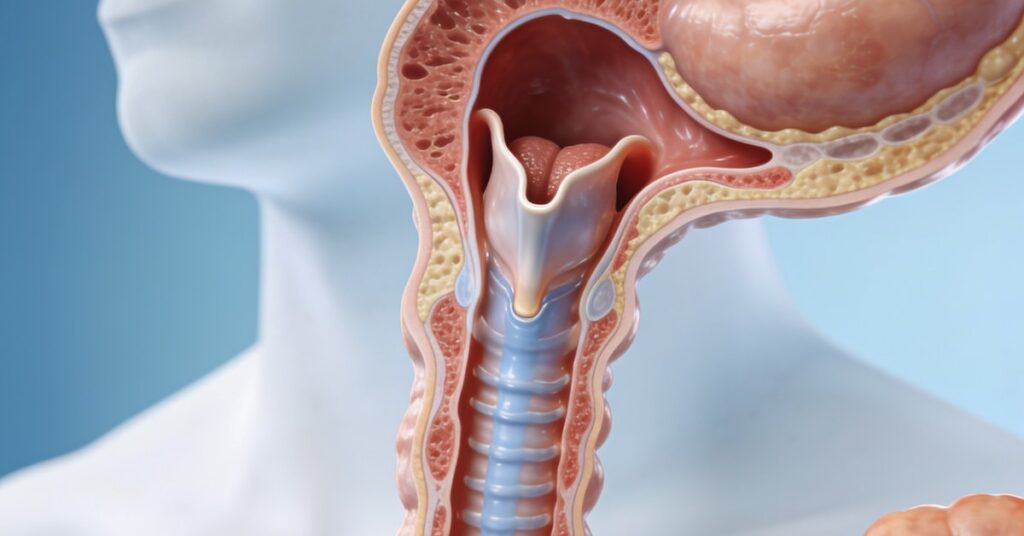
During the standard swallowing process, nourishment moves from the oral cavity into the pharynx, thereafter descending through the oesophagus until it reaches the stomach. To ensure safety and prevent choking, the body meticulously seals both the nasal passages and the airway.
Stages of a typical swallow
The process involves a series of highly coordinated physiological movements:
- The formation of a bolus: Once food has been thoroughly masticated and mixed with saliva, it is shaped into a soft, rounded mass known as a bolus.
- Oral preparation: When the bolus is ready, the tip of the tongue presses firmly against the hard palate to propel the material towards the back of the mouth.
- Preventing nasal entry: The soft palate elevates to effectively block the path into the nasal cavity.
- Pharyngeal initiation: An involuntary neuromuscular reflex is triggered as the contents move into the pharynx.
- Airway protection: The larynx rises, and the epiglottis functions as a lid, folding down to cover the windpipe, which ensures food is safely directed away from the lungs.
The phases of swallowing explained
The transit of food follows a precise mechanical route:
- Oral Phase: The tongue forces the bolus into the posterior part of the oral cavity.
- Pharyngeal Phase: As the material reaches the throat, internal structures synchronise to prevent aspiration and guide the contents into the gullet.
- Oesophageal Phase: The upper oesophageal sphincter relaxes, allowing the bolus to enter. Through wave-like muscular contractions called peristalsis, the food is pushed downward into the stomach.
Respiration and swallowing
Under normal circumstances, inhalation and exhalation occur via the mouth and nose. Whilst the nose facilitates the sense of smell, its airflow is temporarily interrupted during the swallow to prioritise the safe passage of the bolus into the oesophagus, whilst the epiglottis remains closed to guard the respiratory tract.
The Normal Pathway of Food and the Swallow Process
During a normal swallow, food follows a strictly defined path; knowing where should food travel during a normal swallow helps you appreciate the complexity of your digestive system. It moves from the oral cavity into the pharynx, passes through the upper esophageal sphincter, descends through the esophagus, enters the stomach via the lower esophageal sphincter, and remains there for digestion. Your body manages this intricate transit approximately 580 times per day, ensuring that nutrition reaches the stomach while keeping the airway clear at all times.
The Three Phases of Swallowing and Preparatory Actions
The swallow process consists of three distinct stages—the oral, pharyngeal, and esophageal phases—which coordinate to move food from your mouth to the stomach in about one second. During the oral phase, you chew food and mix it with saliva to form a manageable bolus. As the process transitions into the subsequent phases of swallowing, the bolus is propelled through the 25 cm muscular esophagus by peristalsis, a series of wave-like contractions, until the lower esophageal sphincter opens to deposit the food into the stomach.
Pharyngeal Transit and Protecting the Airway
The epiglottis acts as the primary anatomical shield during the pharyngeal stage of swallowing, preventing food from entering the trachea by folding down to cover the glottis. This leaf-shaped sheet of elastic cartilage hinges downward and backward when throat muscles pull the larynx upward and forward, effectively sealing the airway. Because breathing and swallowing are closely linked, the vocal folds also snap shut to provide an additional layer of defence against aspiration.
Upper Esophageal Function and Esophageal Transit
The upper esophageal sphincter is a high-pressure zone located at the lower end of the pharynx that relaxes to allow food to pass into the esophagus. Receiving motor innervation from the nucleus ambiguus, this gatekeeper prevents air from entering the esophagus during breathing and guards against the reflux of contents. From my own experience, keeping a simple symptom diary helped me identify that minor throat tightness was just a hiccup in this coordination—it is often useful to track when you feel discomfort during meals.
Preventing Nasal Regurgitation
The soft palate, composed of muscle and connective tissue, prevents food from entering the nasal cavity by pressing firmly against the pharyngeal wall to create a complete seal. The uvula at the tip of the soft palate helps complete this barrier, ensuring that the vacuum created in the oral cavity does not lead to the regurgitation of food into the nasal passages.
| Phase | Primary Function | Key Safety Action |
|---|---|---|
| Oral | Mastication and bolus formation | Control of food size |
| Pharyngeal | Transport to esophagus | Airway sealing |
| Esophageal | Delivery to stomach | Reflux prevention |
Frequently Asked Questions
What are the common warning signs of difficulty swallowing?
Common signs include frequent coughing or throat clearing during meals, a persistent sensation of food sticking in the chest, or unexplained weight loss. If you notice these symptoms regularly, it is important to discuss them with your GP to rule out potential underlying issues.
How does the body manage the transition between breathing and swallowing?
The body automatically pauses respiration for a fraction of a second during the pharyngeal phase to ensure the airway is fully protected. This reflex is critical for preventing food from entering the lungs while you are attempting to swallow.
What should I do if I suspect I have dysphagia?
If you experience persistent difficulty swallowing, you should seek a professional evaluation to determine the cause of the obstruction or functional impairment. Early diagnosis is essential for effective treatment and preventing complications like aspiration pneumonia.
Can lifestyle adjustments help if I have minor swallowing discomfort?
Yes, eating smaller bites, chewing food thoroughly, and maintaining an upright posture while dining can significantly improve the safety and comfort of your meals. However, these tips are not a substitute for medical advice if your symptoms are severe or progressive.
Listen to your body, as recognising when your swallowing patterns change is the first step toward maintaining your long-term digestive well-being.