Understanding the role of sulfur in your diet is essential for optimising your cellular health and supporting your body’s vital detoxification processes. In this article, you will learn how to identify the best nutritional sources of sulfur, understand its influence on antioxidant production, and discover practical strategies for managing your intake depending on your specific health requirements. By applying these evidence-based insights, you can take meaningful control of your nutrition to better support your long-term well-being and overall physiological balance.
High sulfur foods
Sulfur serves as a vital mineral, playing an indispensable role in synthesising and repairing DNA, facilitating metabolic processes, and ensuring the health of connective tissues and skin. You can find this mineral in significant quantities within protein-dense animal produce, various alliums, cruciferous vegetables, as well as specific seeds and nuts.
Common sources of sulfur
Beyond standard dietary staples, sulfur is present in numerous compounds and nutrients, including:
- Sulfinates
- Allicin
- Sulfides
- Thiamin (vitamin B-1)
- Biotin (vitamin H)
- Glucosamine sulfate
Dietary staples rich in sulfur
Many common foodstuffs already found in your pantry contain high levels of sulfur, such as onions, eggs, broccoli, garlic, legumes, and meat.
Recommended sulfur-rich food categories
Incorporating the following items into your meals provides a healthy intake of sulfur:
- Animal Proteins: Chicken, beef, turkey, and fish are packed with essential sulfur-bearing amino acids, specifically cysteine and methionine.
- Eggs and Dairy: Cow’s milk, cheddar, Parmesan, and whole eggs represent highly concentrated dietary sources.
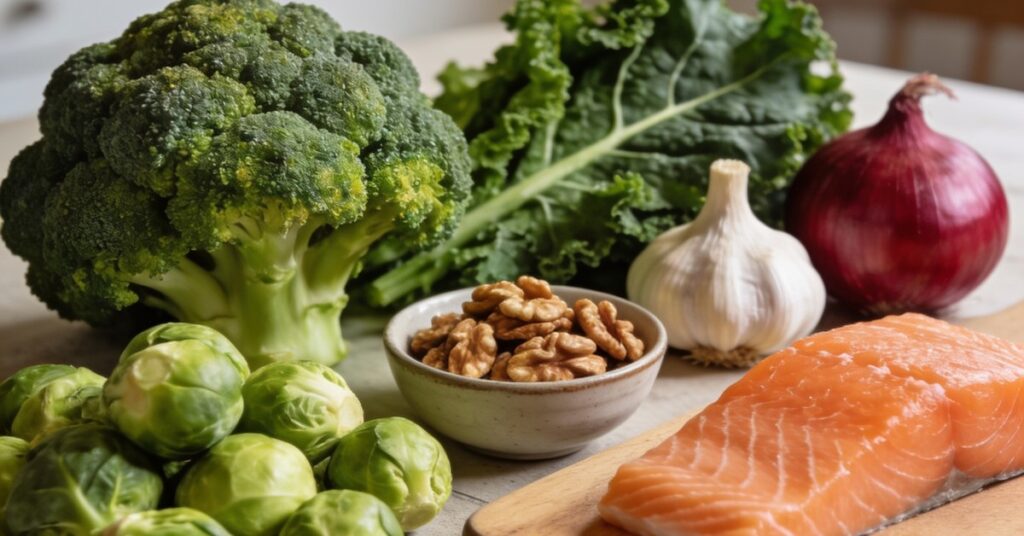
- Cruciferous Vegetables: Kale, cauliflower, broccoli, Brussels sprouts, and cabbage provide glucosinolates, which the body converts into advantageous health-promoting compounds.
- Alliums: Shallots, onions, garlic, chives, and leeks are excellent providers of organosulfur compounds.
- Legumes and Nuts: Pumpkin seeds, black beans, almonds, and soybeans offer brilliant plant-derived alternatives.
Meat and poultry—particularly ham, beef, chicken, turkey, duck, and offal such as liver or heart—remain significant contributors. Similarly, the majority of seafood and fish varieties perform a comparable function.
Vegetables and dietary balance
A wide variety of fibrous vegetables, particularly those that are not leafy, are categorised as being sulfur-dense. Most individuals successfully maintain adequate sulfur levels by simply adhering to a varied, protein-focused diet. While low-sulfur diets have recently garnered attention due to concerns regarding potential sulfur intolerance, it is important to consult current dietary guidelines before making drastic changes to your nutritional intake.
The Essential Role of Sulfur and Sulfur-containing Compounds in Human Biology
Sulfur is the third most abundant mineral in the human body, acting as a critical component for DNA repair, cellular integrity, and the synthesis of the master antioxidant, glutathione. This sulfur is an element that works tirelessly behind the scenes to maintain the structural stability of your proteins. It is naturally present in the body through the sulfur-containing amino acids known as methionine and cysteine, which serve as the primary building blocks for structural proteins. Furthermore, this sulfur is an essential mineral that acts as a key structural element in essential vitamins, specifically thiamin (vitamin B-1) and biotin (vitamin H), both of which are required for energy metabolism and skin health. When you consume High Sulfur Foods, you are providing your body with the fundamental building blocks necessary for these complex biological systems to function at their peak efficiency, ensuring that your sulfur metabolism remains robust.
Beyond its internal presence, sulfur-based agents are frequently added to the modern food supply to preserve freshness and prevent bacterial growth. You will find these sulfur compounds in a wide range of common items, including wine, dried fruit, crackers, dried vegetables, potatoes, and mustard. Recognising that sulfur is both a naturally occurring nutrient and a common industry additive is the first step in managing your dietary sulfur intake effectively for your unique health profile. If you feel sluggish or notice digestive irregularities, tracking your intake of these additives can be a game-changer for your daily comfort levels. Whether it is sulfur dioxide used for preservation or organic compounds found in nature, understanding how much sulfur you ingest daily is a key component of a balanced diet.
Core Nutritional Sources of High Sulfur Foods and Rich in Sulfur Options
High Sulfur Foods are primarily categorised into animal proteins, cruciferous vegetables, and allium vegetables, each offering different bioavailability of the mineral. To ensure you are meeting your physiological requirements, you should look to incorporate a variety of foods into your daily meals. By rotating these sources, you ensure that your body receives a broad spectrum of amino acids and phytonutrients that support long-term metabolic stability. Many individuals underestimate the amount of sulfur they consume, yet even small additions can have a profound impact on your overall wellness.
Animal-Based Protein and the Best Foods for Sulfur
Animal proteins serve as the most concentrated sources of the methionine and cysteine amino acids. You can obtain these essential nutrients by consuming beef, chicken, turkey, lamb, and pork, as well as various types of seafood such as salmon, cod, scallops, oysters, and shrimp. Dairy products, including cheddar cheese, parmesan, cow’s milk, and yogurt, also provide a substantial source of sulfur to support your daily metabolic health. From my experience in health advocacy, focusing on high-quality, pasture-raised proteins provides a more balanced profile of nutrients than processed alternatives, which often contain unnecessary preservatives. These sulfur-rich foods are particularly dense in the nutrients required for muscle repair and enzyme production.
Plant-Derived Cruciferous Vegetables and Garlic and Onions as a Source of Sulfur
Plant-based sources provide sulfur alongside a wealth of phytonutrients that support systemic health. Cruciferous vegetables, which are highly effective at providing these compounds, include broccoli, cabbage, kale, Brussels sprouts, cauliflower, asparagus, radishes, turnip tops, and watercress. Additionally, the allium family—comprising garlic and onions, leeks, scallions, and shallots—offers a distinct form of sulfur that is prized for its therapeutic properties. For those seeking non-animal sources, legumes like chickpeas, black beans, lentils, and peas, as well as nuts and seeds like almonds, walnuts, pumpkin seeds, and sesame seeds, are excellent additions to your diet. Integrating cruciferous vegetables like broccoli into your routine is straightforward; for instance, adding a side of steamed greens to your dinner significantly boosts your daily intake.
Physiological Advantages of the Role of Sulfur in Dietary Habits
Eating High Sulfur Foods is beneficial because it plays a role in providing the necessary cofactors for the liver’s phase II detoxification pathway, which is the body’s primary method for neutralising and excreting harmful toxins. By ensuring you consume enough methionine—an essential amino acid that the body cannot produce on its own—you support the maintenance of protein structures and overall metabolic function. Research also suggests that the specific sulfur compounds found in these foods, such as sulforaphane from cruciferous vegetables and allicin from alliums, are strongly linked to the inhibition of prostate, colorectal, and breast cancer cells. This protective effect is why many health experts advocate for a sulfur-rich diet, as the potential health benefits extend to cardiovascular protection and reduced chronic inflammation.
| Food Category | Primary Sulfur Compounds | Key Health Benefit |
|---|---|---|
| Cruciferous Veg | Glucosinolates | Potent antioxidant support |
| Allium Veg | Organosulfur compounds | Cardiovascular & immune health |
| Animal Protein | Methionine & Cysteine | Muscle repair & DNA synthesis |
The Synergy Between Foods High in Sulfur and Glutathione Production
Sulfur is the functional building block of glutathione, as cysteine and methionine act as the rate-limiting precursors required for its synthesis. Within the glutathione molecule, sulfur atoms serve as the active binding site that chemically attaches to toxins and heavy metals, allowing the body to safely process and eliminate them. Because your internal stores of this antioxidant are heavily dependent on your intake of sulfur-rich foods, maintaining a consistent supply is vital for cellular protection. When your glutathione levels are optimal, your body is far more resilient against oxidative stress, which is a major factor in premature ageing and chronic health issues. Many people do not realise that sulfur in the form of these amino acids is the primary fuel for this detoxification engine.
You can boost this process by consuming specific sulfur-containing foods, such as glucosinolate-containing vegetables like cauliflower, or by utilising organosulfur compounds from chives. If your body requires higher levels of glutathione than your diet can provide, N-acetylcysteine (NAC) is a widely used dietary supplement that effectively releases cysteine into the bloodstream to increase cellular glutathione levels. This synergy between dietary intake and enzymatic activity is what makes sulfur an indispensable part of your health strategy. Think of it as providing the necessary raw materials for your body’s internal cleaning crew to perform their job effectively. When choosing many foods and beverages, look for options that are not overly processed to ensure you are getting the highest quality nutrients.
Managing a Low Sulfur Diet and Foods and Beverages Restrictions
A Low Sulfur Diet is primarily indicated for individuals managing specific digestive conditions, such as Hydrogen Sulfide (H2S) SIBO, where high sulfur intake may lead to discomfort or symptom flare-ups. Dealing with these digestive symptoms can be frustrating, but keeping a simple symptom diary helped me identify which triggers were causing the most trouble. If you suspect your health condition requires an adjustment, you should follow a strict elimination protocol for 5 to 7 days to observe how your body responds to the reduction. It is often surprising how quickly the gut can settle down when you temporarily remove the foods that are stressing your specific bacterial balance. This is especially relevant for those managing inflammatory bowel disease or general gut sensitivity.
Implementation and Elimination Strategies
To successfully manage your intake, follow these steps to reset your system:
- Eliminate all cruciferous vegetables (broccoli, cauliflower, cabbage, kale, Brussels sprouts).
- Remove all allium vegetables (garlic, onions, leeks, shallots, chives).
- Restrict animal protein portions to 3-4 oz per serving.
- Avoid beer, wine, ciders, and processed fruit juices.
- Maintain this phase for 4 to 6 weeks under medical supervision.
Identifying and Avoiding Sulfur Dioxide and Other Additives
You must actively avoid high-sulfur additives to ensure your diet remains truly low in sulfur, especially when dealing with processed items. Specifically, you should steer clear of sulfites (SO₂), sulfates, and methylsulfonylmethane (MSM), which are often found in convenience foods and supplements. Always check labels for sulfur content, and avoid any product that exceeds 10 ppm, as these additives are common triggers for digestive distress in sensitive individuals. Vigilance in the supermarket aisles is your best defence against accidental exposure, so take the time to read the fine print on every label. Many people find that avoiding foods with these additives significantly reduces gas and bloating.
Important: If you are on a restricted diet for more than 6 weeks, consult your GP to ensure you are not missing out on essential nutrients like biotin or thiamin. Maintaining a balanced diet even while restricting certain groups is crucial for your long-term health and body weight management.
Frequently Asked Questions
Can I get enough sulfur through a vegan diet?
Yes, you can easily obtain enough sulfur on a plant-based diet by consuming a diverse range of legumes, such as chickpeas, lentils, and black beans, alongside nuts and seeds like almonds, walnuts, and sesame seeds. While you will not be consuming animal-based methionine, these plant-based sources provide the necessary building blocks for your body to synthesise the required sulfur-containing amino acids.
Are there any dangers to consuming too much sulfur?
For most healthy individuals, consuming High Sulfur Foods is beneficial, but those with specific gut dysbiosis, such as Hydrogen Sulfide (H2S) SIBO, may experience bloating, gas, and digestive pain if they consume more sulfur than their system can process. If you notice these symptoms, it is advisable to consult with a healthcare professional to determine if a temporary reduction in certain sulfur-rich foods is appropriate for your situation.
How long should I stay on a low sulfur diet?
A Low Sulfur Diet is generally intended to be a therapeutic, short-term intervention rather than a permanent lifestyle change. For conditions like H2S SIBO, the initial strict phase usually lasts 4 to 6 weeks, after which your doctor may guide you in gradually reintroducing sulfur-rich foods to determine your individual tolerance levels.
Why is sulfur considered the third most abundant mineral?
Sulfur is classified as the third most abundant mineral because it is an essential structural component of the body’s tissues, specifically within the collagen and keratin proteins found in skin, hair, and nails. Its widespread presence in amino acids and enzymes makes it a foundational element for maintaining biological life at the cellular level, and it plays a role in nearly every metabolic reaction.
Focusing on a balanced intake of these nutrient-dense foods will empower your body’s natural detoxification pathways and support your long-term vitality. Listen closely to your body’s signals, as finding your unique balance is the most sustainable path to feeling your absolute best.