
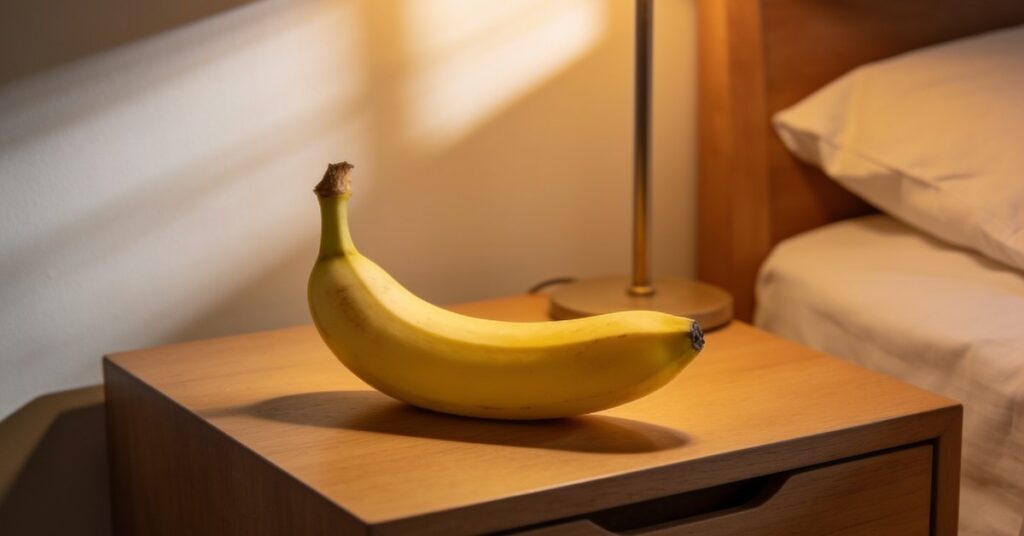
Achieving restorative sleep is a cornerstone of long-term health, yet many individuals continue to struggle with nightly restlessness and the search for natural, effective solutions. In this article, you will learn the evidence-based reality of using bananas as a bedtime snack, including how their specific nutrient profile supports sleep and the practical steps you can take to incorporate them safely into your evening routine. By understanding the science behind these claims, you can make informed decisions to better manage your sleep hygiene and improve your overall well-being.
Do bananas help you sleep?
The link between bananas and sleep quality
Bananas can indeed assist with your sleep cycles. These fruits are naturally rich in potassium and magnesium, which act as muscle relaxants. Moreover, they provide a good source of tryptophan and vitamin B6, both of which are essential for supporting the brain in producing melatonin, the hormone responsible for regulating sleep.
Recommended timing for consumption
For the most effective results, it is generally recommended to consume a banana approximately 30 to 60 minutes before you plan to go to sleep. Integrating this snack into your evening routine may help you achieve a more restful state.
Why bananas are a great bedtime snack
There are several reasons why experts often suggest bananas as a suitable pre-sleep food, including:
- They contain complex carbohydrates which help prepare the body for deep sleep.
- The vitamin B6 content is crucial for metabolic processes that facilitate better rest.
- Their natural composition helps the body relax more quickly, making it easier to drift off to sleep rapidly.
Do Bananas Help You Sleep and Actually Improve Sleep Quality?
Yes, Do Bananas Help You Sleep, as they contain a unique combination of nutrients that support muscle relaxation and the regulation of your body’s internal sleep-wake cycle. A 2024 study by MG Keser indicates that bedtime banana intake is a demonstrably effective strategy for managing insomnia symptoms. By providing a natural source of compounds that the brain requires for rest, this fruit acts as a functional, low-risk dietary intervention for those seeking to improve their sleep quality without immediate reliance on pharmacological aids. Many men overlook the power of simple, whole-food snacks, yet the physiological impact of a well-timed banana is backed by both nutritional science and clinical observation. When we evaluate the question, do bananas help you sleep, we must look beyond the myth and focus on the biological mechanisms at play. For the average person, the inclusion of this fruit in an evening protocol is not just a suggestion; it is a practical, evidence-based approach to reclaiming control over those frustrating, sleepless nights that often derail our productivity and long-term health.
Nutritional Benefits of Eating Bananas for Sleep Health
Bananas support sleep health primarily through their dense concentration of magnesium, tryptophan, vitamin B6, carbohydrates, and potassium. These nutrients work synergistically within the body to promote a state of physiological readiness for rest. Ever wondered if there is a simpler way to signal to your body that the day is done?
| Nutrient | Primary Sleep Benefit |
|---|---|
| Magnesium | Promotes melatonin production and muscle relaxation. |
| Tryptophan | Precursor to serotonin, aiding mood and sleep regulation. |
| Vitamin B6 | Accelerates the conversion of tryptophan to melatonin. |
| Potassium | Helps prevent disruptive nighttime muscle cramps. |
The synergy of these components is what truly makes the fruit effective. Magnesium acts as a structural foundation for muscle relaxation, while tryptophan serves as the essential amino acid that the body converts into serotonin. This conversion process is vital for the transition into a deep, restorative sleep state. Without adequate vitamin B6, this transition is less efficient. Furthermore, the intake of carbohydrates helps the brain uptake these precursors, essentially clearing the path for the body to produce the necessary sleep hormones. By focusing on these specific, nutrient-dense foods, we can create a sustainable internal environment that encourages restfulness rather than fighting against our own biology.
Do Bananas Contain Melatonin or Serotonin?
Bananas contain naturally occurring serotonin and traces of melatonin, though the primary mechanism for their sleep-promoting effect is the conversion of tryptophan by the body rather than the direct ingestion of these hormones. It is important to note that the serotonin found in the fruit itself cannot cross the blood-brain barrier, meaning it does not act as a direct sedative. However, when the fruit ripens and begins to turn brown, the concentration of melatonin increases, providing an additional, albeit mild, physiological boost to your natural circadian rhythms. This is a crucial distinction for those who rely on high-dose synthetic supplements; while a banana won’t act with the potency of a pharmacological sleep aid, it provides a gentle, consistent supply of precursors that work with your body’s natural chemistry.
Magnesium and Potassium in Bananas for Sleep Research
Magnesium and potassium are the two primary minerals in bananas that contribute to physical stillness and the prevention of sleep-disrupting discomfort. One banana provides approximately 32 mg of magnesium, which functions as a natural muscle relaxant, and between 420 mg and 450 mg of potassium, which is critical for maintaining healthy muscle function to avoid nocturnal cramping. If you continue to experience significant sleep disturbances despite nutritional adjustments, you may contact The Sleep Charity National Sleep Helpline at 03303 530 541 for further professional support. For those of us who maintain an active lifestyle, muscle cramps are a common, albeit annoying, barrier to quality sleep. These minerals help address that issue at the source. It is not just about the sedative effect; it is about physical comfort.
Best Time to Eat a Banana for Better Sleep
The optimal time to eat a banana for better sleep is between 60 and 90 minutes before your intended bedtime. Consuming the fruit during this specific window allows your digestive system sufficient time to break down the sugars and absorb the necessary nutrients before you attempt to fall asleep.
- Peel a medium-sized, slightly ripe banana.
- Pair it with a source of healthy fat, such as a tablespoon of almond butter, to stabilise blood sugar.
- Consume the snack at least 60 minutes before lights out.
- If you prefer a warmer option, steep the peel or fruit in hot water for a soothing tea.
Are Bananas Good for Insomnia and Sleep Research?
Bananas are considered a good dietary aid for insomnia because they provide a comprehensive nutritional profile that aids the synthesis of sleep-regulating hormones. Vitamin B6 plays a critical role here by accelerating the conversion of tryptophan into serotonin and melatonin, while the carbohydrates in the fruit facilitate the transport of these compounds into the brain. Personally, I have found that keeping a simple sleep diary helps track whether specific snacks like these actually make a difference in my own sleep latency. When you provide your brain with the raw materials—the tryptophan, the B6, the magnesium—you are essentially telling your body that it is safe to shut down.
Can Eating Bananas Before Bed Cause You to Sleep Worse?
Eating bananas before bed can cause side effects such as indigestion, bloating, or headaches in sensitive individuals, primarily because digestion slows down significantly during the night. The high fibre content may lead to gas or abdominal discomfort for some, while the presence of tyramine can potentially dilate blood vessels and trigger migraines in those prone to them. One clinical study even observed older adults over a two-week period to monitor how these specific nighttime habits influenced their overall sleep disturbances.
Important: If you notice that eating bananas leads to persistent heartburn or disrupted sleep, stop the practice immediately and consider lighter alternatives; digestion should never be a source of stress before you hit the pillow.
What Other Foods Help You Sleep Like Bananas?
If you find that bananas do not suit your digestive needs, there are several other foods that offer similar sleep-promoting benefits. From my experience, variety is key when fine-tuning your evening nutrition for better recovery.
- Montmorency cherries: A potent natural source of melatonin.
- Kiwis: Eating two before bed can help you fall asleep faster.
- Almonds and pistachios: Rich in magnesium and natural melatonin.
- Oats: Complex carbohydrates that promote healthy insulin production.
- Fish and chickpeas: Excellent sources of vitamin B6 for hormone synthesis.
Frequently Asked Questions
Can banana tea be more effective than eating the fruit?
Banana tea can be a soothing alternative, especially for those who find the fibre content of the whole fruit difficult to digest at night. By steeping the peel or fruit in boiling water, you extract soluble nutrients without the heavy digestive load of the solid pulp.
Should I avoid bananas if I am on blood pressure medication?
If you are taking specific medications like ACE inhibitors or potassium-sparing diuretics, you should consult your doctor before significantly increasing your potassium intake. Bananas are rich in potassium, which could potentially interact with the way your body regulates electrolyte levels while on these treatments.
Do organic bananas provide more sleep benefits than conventional ones?
There is no clinical evidence suggesting that organic bananas contain higher levels of the specific nutrients required for sleep compared to conventional ones. The sleep-promoting benefits are derived from the inherent mineral and amino acid profile common to all varieties of the fruit.
Can children eat bananas before bed to help them sleep?
Yes, bananas are generally a safe and healthy bedtime snack for children, provided they do not have specific allergies or digestive sensitivities. The natural sugars and magnesium can help provide a gentle, calming effect, but portions should be appropriate for their age and size.
Consuming a banana sixty to ninety minutes before sleep provides the ideal nutritional window for your body to effectively synthesise the hormones and minerals required for rest. Please remember that while this simple habit is a powerful tool for recovery, your overall sleep hygiene and comfort remain the most essential parts of your health journey.