
Understanding the nuances of hormonal health is essential for managing your overall well-being and identifying when changes in mood or energy warrant closer attention. In this article, you will learn the biological facts behind male hormonal cycles, the reality of conditions like Irritable Male Syndrome, and how to navigate these health challenges with evidence-based insights. Whether you are seeking clarity on your own symptoms or looking for ways to support a partner, this guide offers the practical knowledge you need to take control of your health journey.
Do guys get periods
Biological reality regarding menstruation
Cisgender men do not experience menstrual cycles as they do not possess a uterus or the specific reproductive hormones required to trigger the shedding of the uterine lining. It is scientifically inaccurate to categorise male physiological processes as menstruation.
Diverse experiences of gender and biology
It is important to recognise that individuals assigned female at birth who possess a uterus, ovaries, and fallopian tubes may identify as men or non-binary. For these trans men and non-binary individuals, menstruation remains a biological reality despite their gender identity.
The nature of male hormonal cycles
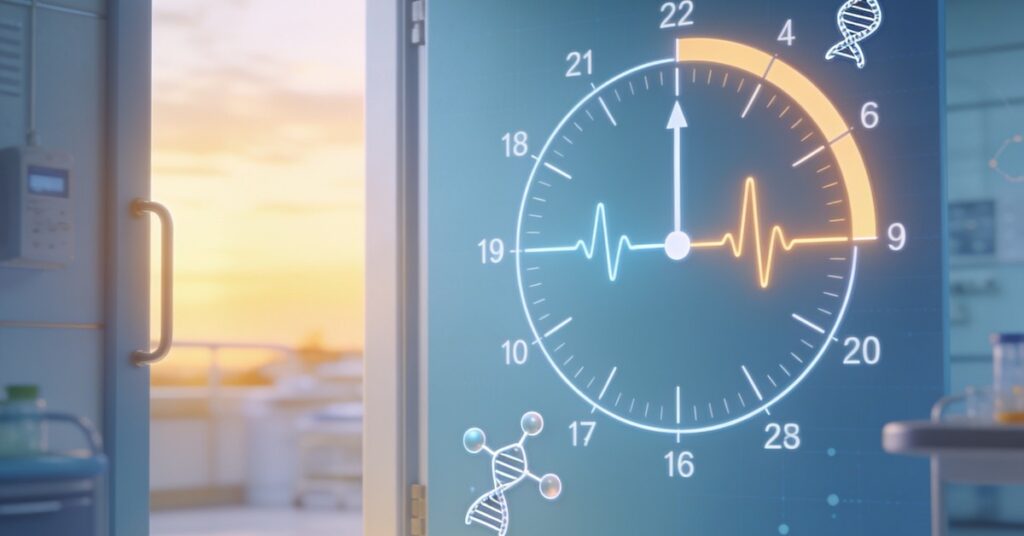
Unlike the monthly reproductive cycles seen in those with a uterus, men undergo daily hormonal fluctuations referred to as a diurnal rhythm. Testosterone levels typically reach their peak during the early hours of the morning and gradually decline as the day progresses.
Addressing the concept of „Irritable Male Syndrome”
The term „male period” or „Irritable Male Syndrome” (IMS) is sometimes used colloquially to describe periods of irritability, fatigue, or emotional volatility. However, these states are not medically classified as a menstrual cycle. Instead, they are usually attributed to a range of external and internal factors, including:
- Daily hormonal shifts in testosterone.
- Persistent stress levels.
- Disrupted or poor-quality sleep.
- General lifestyle pressures.
Important medical disclaimer
The information provided here is for educational purposes only and does not serve as medical advice or a formal diagnosis. Whilst men do indeed experience fluctuations in hormone levels that can lead to physical and mental shifts, these occurrences are distinct from the biological process of menstruation.
The Direct Answer: Do Guys Get Periods?
Cisgender men do not have a uterus, ovaries, or the complex hormonal feedback loop required to experience a biological menstrual period, meaning they cannot menstruate. While the question Do Guys Get Periods is often asked out of curiosity regarding mood fluctuations, it is vital to acknowledge that menstruation is strictly defined by the shedding of the uterine lining, a process that is anatomically impossible for those without female reproductive organs. When people ask Do Guys Get Periods, they are usually describing symptoms of hormonal stress or low testosterone rather than a true reproductive cycle.
Biological Realities and the Male Hormonal Cycle
The male endocrine system operates on a 24-hour circadian rhythm rather than the 28-day cycle typical of female menstruation. Male testosterone levels naturally peak in the morning, typically around 8:00 AM, before experiencing a gradual decline throughout the day. By the time evening arrives, specifically between 7:00 PM and 9:00 PM, testosterone levels reach their lowest point. This daily fluctuation is a standard physiological process that keeps the body functioning, though it is entirely distinct from the reproductive cycle found in those with a uterus.
Beyond the daily rhythm, there is evidence that men may experience a seasonal cycle affecting hormone production. Research indicates that testosterone levels may be lower in the autumn compared to the spring, suggesting that external environmental factors can influence endocrine health. Furthermore, starting around the age of 30, men experience a natural, gradual decline in testosterone of approximately 1% per year. This long-term trend, combined with daily circadian shifts, forms the basis of what is often perceived as male hormonal variation. It is important for men to track these patterns to distinguish between normal ageing and potential health complications that require medical attention.
Understanding Irritable Male Syndrome and Mood Changes
Irritable Male Syndrome (IMS) is a documented behavioural state defined by G.A. Lincoln in 2001, which is often associated with drops in testosterone and elevated stress-related cortisol levels. Clinically referred to as andropause or male menopause, this state is characterised by symptoms including nervousness, irritability, lethargy, and depression. Ever wondered if there is a real reason behind those unexplained bouts of grumpiness? These mood shifts occur when the body’s hormone balance is disrupted, leading to a state that some individuals describe as feeling „off” or moody in a way that mimics the emotional patterns of a menstrual cycle.
The experience of IMS is not a reproductive cycle but a reaction to hormonal instability. Unlike the structured, monthly cycle of menstruation, IMS symptoms can occur in irregular, cyclic patterns based on stress levels and hormonal dips. As noted in the article „Do Cis Men Have Periods? The Truth About Irritable Male Syndrome,” published on 19 April 2018, it is important to distinguish these behavioural states from actual menstruation. Recognising the difference helps men take a more targeted approach to their health, focusing on stress management and endocrine support rather than seeking treatments for a reproductive cycle that does not exist for them.
Symptoms of Low Testosterone and Hormone Health
Symptoms of hormonal fluctuations in men typically manifest between the late 40s and early 50s as the cumulative 1% annual decline in testosterone becomes more pronounced. Dealing with these shifts can be frustrating, but from my experience, keeping a simple symptom diary helps you spot patterns and provides your doctor with the data they need to help you effectively.
| Category | Common Symptoms |
|---|---|
| Physical | Erectile dysfunction, reduced sex drive, loss of muscle mass |
| Cognitive | Poor concentration, memory lapses, increased anxiety |
| Sleep | Insomnia, risk of sleep apnea |
Cognitive and emotional symptoms are equally significant during these periods of hormonal flux. Many report poor concentration, short-term memory problems, and increased anxiety or depression. Sleep disturbances are also common, with many men struggling with insomnia or an increased risk of sleep apnea. Additionally, Testosterone Minute Syndrome (TMS) refers to acute hormonal disturbances that can last for about 20 minutes, causing sudden, fleeting shifts in mood or energy. If these symptoms become persistent, they are often signs that a consultation with a healthcare professional is necessary to evaluate overall hormone health. Consistent monitoring of these indicators is the most reliable way to differentiate between benign daily fluctuations and underlying medical issues that require intervention.
Menstruation and Lifestyle Changes in Transgender Men
Transgender men who possess a uterus and ovaries can continue to menstruate unless the cycle is suppressed through medical intervention, such as hormone therapy or surgery. Testosterone therapy is the primary method used to stop menstruation, and for many, this suppression is achieved by the 6-month mark of treatment. However, it is vital to understand that testosterone is not a reliable method of birth control; therefore, additional contraceptive measures are necessary to prevent pregnancy during this transition.
The method of testosterone administration can influence the regularity of a cycle. Studies show that trans men using testosterone gel or cream are 10 times more likely to continue menstruating compared to those using injections. For those seeking long-term management, a hysterectomy may be pursued either as a standalone operation or as a component of gender-affirming lower surgery. In the meantime, managing menstruation is effectively handled through the use of menstrual cups and period underwear, which provide reliable protection and comfort. It is essential for trans men to maintain open dialogue with their endocrinologist regarding their reproductive health, as hormonal therapy impacts individual physiology differently.
Supporting a Partner and Managing Hormone Health
Supporting a partner through a menstrual cycle involves a combination of physical care, emotional presence, and practical assistance. Using a heating pad or a hot water bottle is a highly effective way to soothe uterine muscle cramps and provide immediate physical relief. For those managing discomfort, providing over-the-counter pain relief medications—such as Ibuprofen, Advil, or Midol—can significantly reduce the severity of symptoms.
Important: Always check with a pharmacist or doctor regarding the correct dosage of pain relief medication, especially if your partner is taking other prescriptions, to avoid unwanted drug interactions.
- Stock up on their preferred menstrual products (pads, tampons, or underwear) before they are needed.
- Take over household chores like cooking or errands to reduce their physical load.
- Prepare hydration-focused drinks like herbal tea.
- Offer iron-rich snacks such as dark chocolate or red meat if they are experiencing cravings.
- Use an app like Flo for Partners to stay aware of their cycle and offer support before symptoms peak.
Frequently Asked Questions
Can hormonal imbalances affect sperm quality?
Yes, significant disruptions in hormone levels, particularly testosterone, can impact spermatogenesis and overall reproductive health. If you are concerned about fertility, a semen analysis and a full hormonal panel are recommended.
Are there non-medical ways to improve hormone health?
Yes, lifestyle changes such as regular resistance training, adequate sleep, and a nutrient-dense diet are crucial for maintaining healthy testosterone levels. Managing chronic stress through mindfulness or therapy also helps stabilise cortisol, which in turn protects your endocrine balance.
Do men go through a true menopause?
While men do not experience a sudden cessation of fertility like female menopause, they undergo a gradual decline in hormone production known as andropause. This process is much slower and less predictable, but it can still result in significant physical and emotional changes over several years.
How often should hormone levels be tested?
Routine testing is generally not required unless you are exhibiting persistent symptoms such as low libido or unexplained fatigue. If you suspect an issue, speak with your doctor about a blood test to check your total and free testosterone levels.
Prioritising open communication and tracking your unique hormonal patterns is the most effective way to manage your well-being and support those around you. Always consult a healthcare professional to ensure any persistent changes in mood or physical health receive the evidence-based care they deserve.