
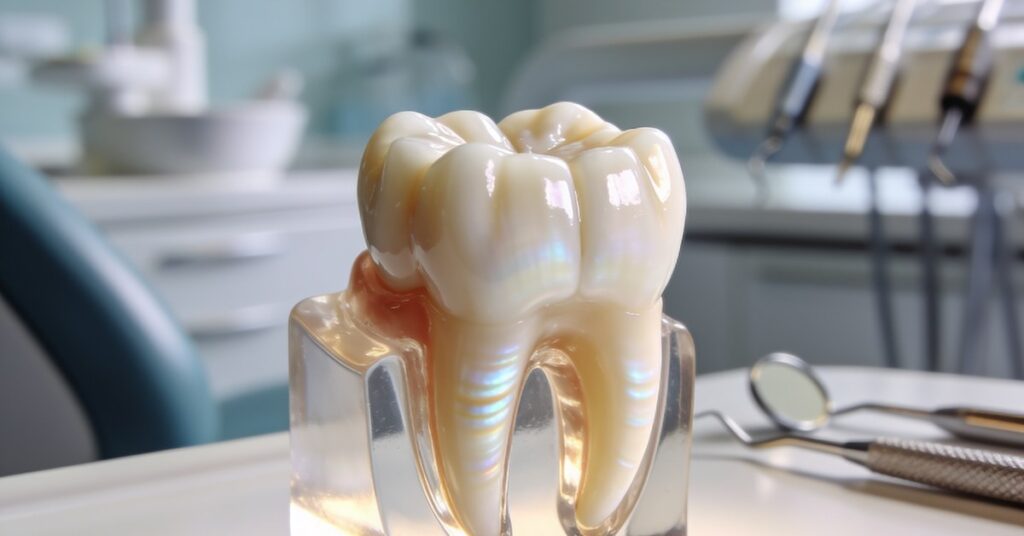
Achieving a confident smile through Composite Resin Bonding is a significant step in managing your dental health, yet it is essential to understand both the aesthetic benefits and the long-term maintenance required. In this article, you will discover evidence-based insights into the bonding procedure, how to ensure the durability of your results, and the practical steps you can take to care for your teeth effectively. By understanding what to expect during your appointment and beyond, you can make informed decisions that support your overall well-being and dental longevity.
Composite resin bonding
Understanding Composite Resin Bonding
Composite resin bonding is a sophisticated cosmetic dental technique designed to enhance the appearance of your smile. By applying a tooth-coloured resin directly to the dental surface, dentists can effectively rectify chips, reduce gaps, modify the structural shape of a tooth, or conceal permanent discolouration. This procedure is notably minimally invasive, typically requiring only thirty to sixty minutes per tooth, and can often be performed without the necessity for local anaesthetic.
The Clinical Procedure
The transformation begins with the careful selection of a resin shade that harmonises perfectly with your natural dentition. The process generally involves several precise stages:
- Preparation: The surface of the natural tooth is gently etched and treated with a conditioning agent to ensure the resin adheres with optimal security.
- Application: The pliable composite material is applied and meticulously sculpted into the desired contour to achieve an aesthetic result.
- Curing: A high-intensity light is utilised to harden the material almost instantaneously.
- Finishing: Your dentist will perform final trimming, shaping, and polishing to provide a smooth, resilient, and natural-looking finish.
Advantages of the Procedure
Dental bonding is widely recognised as a conservative and budget-friendly cosmetic intervention. Key benefits include:
- Conservation: The technique preserves the vast majority of your natural enamel compared to more aggressive treatments.
- Speed: Patients can typically achieve a significantly improved smile within a single office visit.
- Efficiency: In many cases, the procedure requires no drilling or anaesthetic, making it highly accessible for minor aesthetic corrections.
Important Considerations and Limitations
While effective, it is essential to be aware of the trade-offs regarding durability and maintenance:
- Durability: Composite resin lacks the long-term stain resistance and hardness of porcelain veneers. It may require touch-ups or replacements every five to ten years.
- Maintenance: The material is susceptible to staining from substances such as coffee, tea, and red wine. Moreover, the composite does not respond to standard professional teeth-whitening treatments.
- Integrity: While robust, the resin can be prone to chipping if subjected to excessive force or biting on hard objects.
Investment and Costs
The cost of composite bonding within the UK typically ranges between £150 and £400 per tooth. Factors influencing the final price include the complexity of the cosmetic reshaping, the specific needs of the patient, and the location of the dental clinic. For minor adjustments, such as smoothing rough edges or minor additions, costs may be on the lower end of this spectrum. It is advised to consult with your dentist to obtain a personalised treatment plan and a clear breakdown of the anticipated investment for your specific requirements.
The Essence of Composite Resin Bonding and How It Works
Composite Resin Bonding is a minimally invasive cosmetic dental treatment that uses a durable mixture of plastic and glass to repair a chip, close gaps, or mask discoloured teeth. This restorative material is applied in a soft, putty-like state, allowing the dentist to sculpt it directly onto your natural tooth structure to achieve a precise and aesthetically pleasing shape. Once the desired form is attained, the material is hardened using a bright blue ultraviolet or curing light, creating a robust and natural-looking bond that integrates seamlessly with your smile. This procedure has become a cornerstone of modern conservative dentistry because it preserves the integrity of the natural tooth while providing immediate visual improvements that can transform your smile.
The Step-by-Step Cosmetic Dental Bonding Procedure
The entire Composite Resin Bonding process is designed for maximum efficiency and patient comfort, typically requiring only a single office visit that lasts between 30 to 60 minutes per tooth. The procedure follows a strict clinical sequence, which I have seen perform wonders for patients who want a quick, non-surgical refresh:
- Initial consultation to assess your oral health and determine if your bite is suitable for the material.
- Shade selection using a professional guide to match your natural teeth, ensuring the resin is undetectable.
- Surface roughening, which is a gentle process to prepare the enamel for optimal adhesion.
- Application of the resin and curing with a special light to turn the putty into a solid structure.
- Final polishing and trimming to achieve a seamless finish that feels natural against your tongue.
Benefits of Composite Resin Bonding and Expected Lifespan
Composite Resin Bonding generally provides a long-lasting aesthetic solution, with a typical lifespan ranging from 5 to 7 years, though results can vary between 3 to 10 years depending on individual oral habits. The durability often comes down to the location of the repair, as shown in the table below, which highlights why you might need to be more careful with certain teeth:
| Location | Expected Lifespan |
| Front Teeth | 7 – 10 years |
| Molars | 3 – 5 years |
| General Average | 5 – 7 years |
It is worth noting that while this treatment is highly effective, it does not possess the same structural longevity as porcelain veneers, which can last up to 15 years under ideal conditions. However, the trade-off is that bonding is far less invasive, requiring no reduction of healthy enamel, which makes it a preferred choice for many health-conscious individuals who want to avoid permanent alteration of their natural teeth.
How to Care for Teeth with Composite Resin Bonding
Consistent oral hygiene and mindful eating habits are the most effective ways to preserve the integrity of your bonding for its full 5 to 8-year expected lifespan. In my experience, keeping a soft-bristled brush in your gym bag or office desk makes it much easier to stick to a routine after lunch, which prevents plaque buildup around the margins of the restoration. You should brush twice a day with non-abrasive fluoride toothpaste and schedule professional check-ups every 6 months. Be aware that the material is susceptible to staining; try to limit your intake of the following „stain-heavy” culprits that can compromise the colour match over time:
- Coffee and black tea, which are notorious for discolouring resin over time.
- Red wine and dark-coloured colas that can seep into the microscopic pores of the material.
- Curry, turmeric-based dishes, and tomato sauce, which contain potent pigments.
- Berries and beetroot, which are healthy but can leave lasting marks on restorative materials.
Financial Considerations for Composite Resin Bonding Cost
The cost of Composite Resin Bonding in the UK typically falls between £150 and £500 per tooth, though specific treatment types vary in price. For a complete smile makeover of 4 to 8 teeth, the total investment is generally between £1,200 and £3,600. While the NHS Band 2 charge in England covers restorative bonding at £76.60, cosmetic procedures are usually excluded from private dental insurance. Many clinics offer 0% finance payment plans over 6 to 12 months to assist with affordability, which is a great way to manage the cost without compromising on the quality of your dental care.
Safety and Reversibility of Cosmetic Dental Treatment
Composite Resin Bonding is classified as a safe, minimally invasive procedure that typically requires no drilling or removal of healthy natural tooth enamel. The material used is identical to the high-quality, tooth-coloured fillings used in general restorative dentistry, ensuring biocompatibility for the vast majority of patients. While the procedure is considered reversible, the removal must be performed by a dental professional using specialised instruments, and patients should be aware this may cause microscopic changes to the underlying natural enamel. This is a conservative approach that aligns perfectly with a proactive health strategy, allowing you to improve your appearance without the risks associated with more aggressive dental interventions.
Frequently Asked Questions
Can I have teeth whitening performed after the procedure?
No, the resin material used in Composite Resin Bonding does not respond to whitening agents. You should complete any desired professional teeth whitening before your appointment so the dentist can match the resin to your new, brighter shade.
Is anaesthesia required for the bonding procedure?
Generally, no anaesthesia is needed because the process is non-invasive and does not involve drilling into the sensitive parts of the tooth. Most patients find the experience comfortable and require no recovery time after the appointment.
Will my bonding feel different from my natural teeth?
Your bonded teeth should feel smooth and natural once the final polishing is complete. If you notice any rough edges or feel that your bite has changed, contact your dentist for a quick adjustment.
Are there specific foods I must avoid permanently?
You do not need to avoid most foods, but you should be cautious with extremely hard items like ice, hard sweets, or nuts. Protecting your teeth from unnecessary mechanical stress will significantly extend the life of your restoration.
Maintaining a proactive oral hygiene routine with non-abrasive toothpaste is the most effective way to protect your investment and keep your smile looking its best for years to come. Remember that completing any desired teeth-whitening treatments before your procedure is essential to ensure your new bonding perfectly matches your brighter, natural smile.