Managing conditions like hypertension or benign prostatic hyperplasia can be a significant daily challenge, but understanding your treatment is the first step toward regaining control of your health. In this article, you will find evidence-based guidance on how Doxazosin works, what to expect regarding its administration and potential side effects, and essential safety precautions to help you manage your therapy with confidence. By familiarising yourself with these practical insights, you can better navigate your treatment journey and ensure your well-being remains a top priority.
Doxazosin is a prescription medication primarily used to manage high blood pressure (hypertension) and the symptoms of benign prostatic hyperplasia (BPH) by relaxing smooth muscles in the blood vessels, bladder, and prostate. It serves as a vital tool for patients who require improved urine flow or consistent blood pressure regulation, functioning as an alpha-blocker that directly addresses the physiological constriction causing these common health issues. When you are prescribed this medication, you are essentially taking a direct, pharmacological approach to easing the physical strain on your cardiovascular and urinary systems.
Doxazosin
Overview of Doxazosin
Doxazosin falls under the category of alpha-blockers. It is primarily prescribed to manage hypertension (high blood pressure) and to alleviate the urinary symptoms associated with benign prostatic hyperplasia (BPH), which is an enlarged prostate gland. By relaxing the smooth muscles found in blood vessels, the medication facilitates improved circulation. Additionally, it reduces muscular tension within the bladder neck and prostate tissues, thereby promoting easier urine flow.
Medical Indications
This pharmaceutical agent is utilised for several key conditions:
- Managing elevated blood pressure: It assists in lowering systemic pressure, though it does not serve as a permanent cure. Patients typically require continuous therapy.
- Treating benign prostatic hyperplasia: It addresses symptoms such as an urgent need to urinate, a sluggish urinary stream, and the sensation that the bladder has not fully emptied. Please note that it does not reduce the physical size of the prostate, but rather manages the discomforting symptoms.
Dosage and Administration
Adherence to dosage instructions provided by a medical professional or a pharmacist is essential. The general guidelines include:
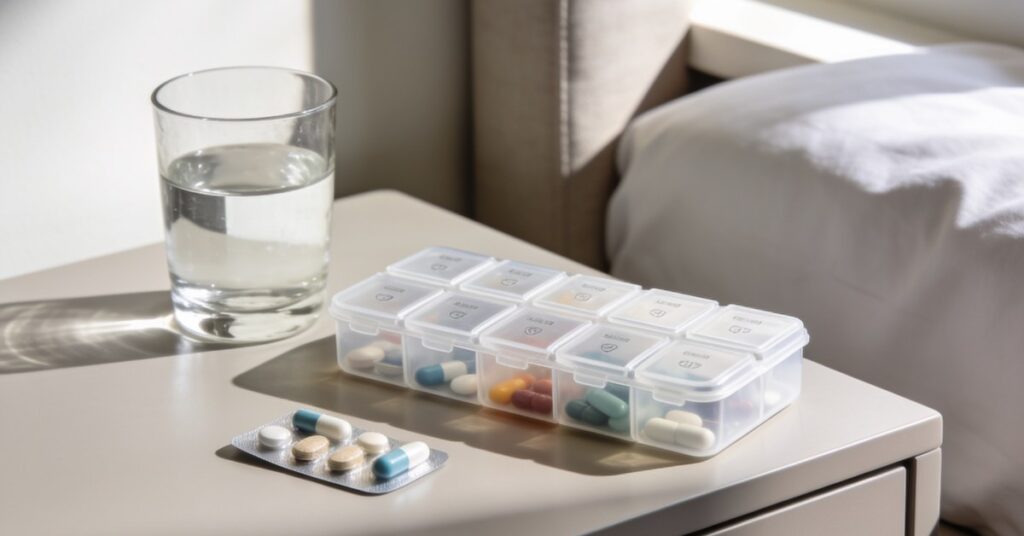
- Standard Dosing: The medication is normally administered once daily. Patients starting this treatment are frequently advised to take their inaugural dose before bed to mitigate the risk of feeling faint.
- Adjustments: Therapy usually commences at 1 mg daily. Depending on the patient’s response and the medical objective, this dosage may be titrated upwards, up to 16 mg for hypertension or 8 mg for BPH.
- Formulations: Prolonged-release variants, such as Cardura XL, are generally reserved for the management of BPH and are not typically indicated for the treatment of high blood pressure.
Safety Information and Potential Side Effects
As with all medicinal products, users should be aware of possible adverse reactions and precautions:
- Common Reactions: The most frequently reported side effects include headaches, dizziness, persistent fatigue, and orthostatic hypotension, which is a rapid decrease in blood pressure upon standing up.
- Operational Caution: Because the medication may induce dizziness or drowsiness, patients are advised to exercise caution when driving or operating heavy machinery until they understand their personal response to the treatment.
Therapeutic Classification and Important Considerations
Doxazosin functions as a long-acting alpha-1-adrenoceptor antagonist. It is essential to understand that this medication does not replace personalised medical advice. Clinical guidance may sometimes shift, such as current recommendations regarding the preference for standard-release formulations over certain extended-release variants. Patients should always consult with their GP or pharmacist for personalised clinical guidance regarding their prescription or if they have concerns regarding their treatment plan. Common brand names for this medication include Cardura, Doxadura, Larbex, Raporsin, and Slocin.
Primary Uses and Pharmacological Mechanism of the Medicine
Doxazosin functions as a competitive alpha-1 antagonist, meaning it selectively inhibits post-synaptic alpha-1 receptors to prevent norepinephrine from binding. By blocking both the alpha-1a and alpha-1b receptor subtypes, the drug effectively induces vasodilation in vascular smooth muscle and decreases urethral resistance at the bladder neck and prostate. This mechanism is highly specific, allowing the medication to target the exact points of tension that contribute to hypertensive readings and problematic urinary retention.
Therapeutic Applications
In clinical practice, this quinazoline derivative is indicated for two distinct purposes: the long-term treatment of hypertension and the relief of BPH symptoms. Patients suffering from BPH often report significant improvements in their quality of life, specifically regarding the reduction of difficulty when starting urination, the strength of their urine stream, and the frequency or urgency of needing to visit the toilet. It is not merely about comfort; it is about restoring a natural, functional baseline for your body so that you can go about your day without the constant distraction of urinary urgency or blood pressure-related fatigue.
Dosage Guidelines and Treatment Protocols
The standard dosage for Doxazosin ranges from 1 mg to 16 mg once daily, depending on whether the patient is using standard or slow-release tablets and the specific condition being treated. Initial therapy almost universally begins at 1 mg once daily to assess patient tolerance, with adjustments made at intervals of 1 to 2 weeks until the optimal therapeutic level is reached. This titration period is essentially your body’s „break-in” phase, allowing you to gradually adapt to the drug’s effects on your vascular system.
Administration and What to do if you Forget to Take
Ever wondered if the timing of your medication really makes a difference? If you happen to forget to take your dose, you should consume it as soon as you remember, provided it is not almost time for your next scheduled dose; never double up to compensate for a missed tablet. You have the flexibility to take your daily dose either in the morning or at bedtime, and the medication can be administered with or without food. While standard tablets allow for a dosage range between 2 mg and 16 mg, slow-release formulations are typically prescribed at 4 mg or 8 mg once daily. It is critical never to exceed the maximum recommended limit of 16 mg per day to avoid adverse physiological reactions.
| Factor | Guideline |
|---|---|
| Administration Timing | Once daily (Morning or Bedtime) |
| Food Interaction | With or without food |
| Max Daily Dose | 16 mg |
| Adjustment Interval | 1 to 2 weeks |
Doxazosin for BPH vs Hypertension
While Doxazosin is an alpha-blocker used for both conditions, the dosing strategies differ based on the target therapeutic outcome, requiring a tailored approach from your doctor. For those managing BPH, the treatment is typically more conservative, focusing on urethral relaxation without the need for the higher systemic doses required for blood pressure control.
- BPH: Starting dose 1 mg; Maximum recommended dose 8 mg daily.
- Hypertension: Starting dose 1 mg; Maximum dose 16 mg daily (usual dose up to 4 mg).
How to Report Side Effects and Managing Interactions
Common side effects, occurring in more than 1 in 100 people, include dizziness (up to 19% of patients), somnolence, headache, nasal congestion, and mild oedema. If you experience persistent or concerning issues, you should report side effects to your healthcare provider immediately to ensure your treatment plan remains appropriate for your needs. Dealing with these symptoms can be frustrating, but keeping a simple symptom diary helped me stay on top of things when adjusting to new medication.
Contraindications and Critical Interactions
Doxazosin is contraindicated in patients with a history of micturition syncope or hypersensitivity to quinazoline derivatives. Avoid combining with PDE-5 inhibitors such as sildenafil or tadalafil, as these combinations cause additive blood-pressure-lowering effects that may result in dangerous hypotension. Furthermore, concomitant use with other antihypertensives—including ACE inhibitors, beta-blockers, or diuretics—as well as the consumption of alcohol, significantly increases the risk of a severe, sudden drop in blood pressure.
Important Safety Precautions and Warnings
Important: Always take your first dose at bedtime to prevent fainting, a reaction often associated with the initial blood-pressure-lowering effect of the drug. This simple step can make the difference between a smooth start to your treatment or an unpleasant morning experience.
- Avoid driving or operating heavy machinery until you know how the medication affects your alertness.
- Inform your ophthalmologist about your use of the medication before any cataract surgery to prevent IFIS.
- Monitor for a painful, prolonged erection (priapism) lasting 4 hours or longer—this requires immediate medical help.
Frequently Asked Questions
Is Doxazosin considered a permanent cure for high blood pressure?
No, it is a maintenance medication that manages blood pressure levels only for as long as you continue to take it as prescribed. It works by relaxing your blood vessels, but it does not remove the underlying cause of your hypertension.
Can I take Doxazosin with caffeine or other stimulants?
While there is no strict contraindication against caffeine, stimulants can sometimes counteract the blood-pressure-lowering effects of the drug. It is best to monitor your own reaction and discuss your caffeine intake with your GP if you notice your blood pressure remains high.
How long does the dizziness usually last after starting the medication?
Dizziness is most common during the first few days of treatment or immediately following a dosage increase as your body adjusts to the vasodilation. If the sensation persists beyond the first two weeks, you should consult your doctor to review your treatment plan.
Are there specific dietary restrictions while on this treatment?
There are no specific dietary restrictions, though you must strictly limit alcohol consumption to avoid a dangerous drop in blood pressure. Maintaining a heart-healthy diet is generally recommended to support the overall effectiveness of your blood pressure management.
Staying consistent with your prescribed dosage schedule while remaining vigilant for any sudden changes in blood pressure ensures that your treatment is both effective and safe. Always prioritise taking that first dose at bedtime to help your body comfortably adjust to the initial physiological shifts.