Choosing the right sleeping environment is a fundamental aspect of effective care, especially when managing mobility challenges or chronic health conditions at home. In this guide, I will explain exactly how a profiling bed functions to support patient health, help you understand which features are essential for your specific needs, and provide practical advice on how to navigate funding and maintenance. By the end of this article, you will feel fully prepared to make an informed decision that prioritises both safety and long-term comfort, ensuring your home environment becomes a true space of healing and support.
What is a profiling bed
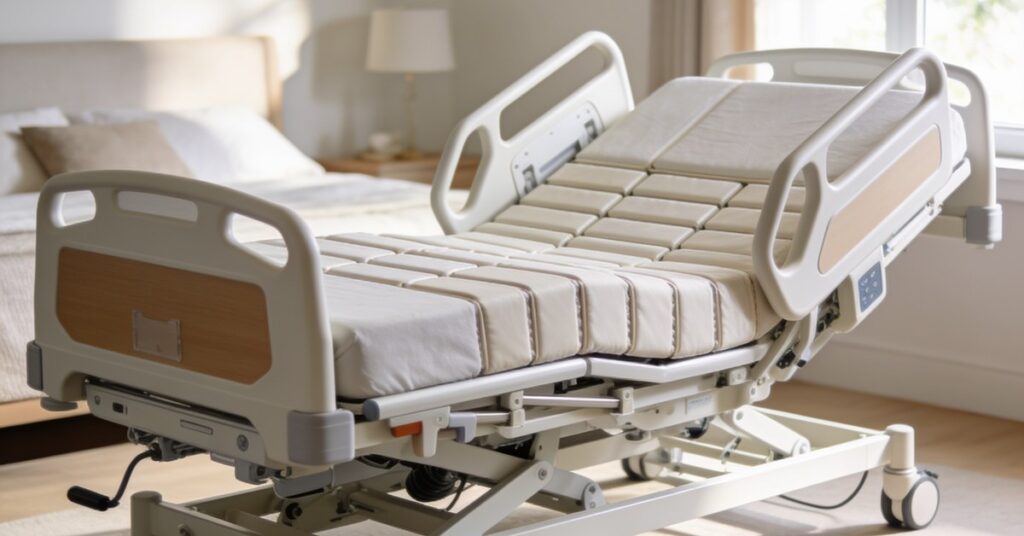
A profiling bed is a specialist piece of furniture that functions as an adjustable support system, commonly utilised within hospital wards, residential care facilities, and private home environments. These beds feature a segmented mattress platform capable of articulating into various positions, which assists both the user and their caregivers in managing comfort, posture, and clinical needs.
Core functionality and features
Unlike standard domestic beds, a profiling bed offers advanced mechanical or electronic adjustments. The primary features include:
- Adjustable Backrest: Allows the user to sit upright, which facilitates dining, improves respiratory comfort, or enables leisure activities like watching television.
- Knee Break and Leg Elevation: The mattress base contours beneath the knees to lift the lower limbs. This mechanism supports healthy circulation and provides physical stability, preventing the user from slipping downwards.
- Height Adjustability: The entire bed frame can be raised to a comfortable waist height for caregivers to perform tasks efficiently, or lowered towards the floor to decrease the risk of injury should the user be at risk of falling.
- Integrated Safety Rails: Numerous designs include side rails to enhance user safety and provide additional support during transitions.
- Auto-regression: Many electric models include a backrest that slides slightly during movement, reducing shear and friction against the user’s skin.
Who benefits from a profiling bed?
These beds are engineered to assist individuals living with restricted mobility, chronic disabilities, or specific medical conditions. They are particularly beneficial for patients recovering from a stroke or individuals living with:
- Parkinson’s disease
- Multiple sclerosis
- Cerebral palsy
- Arthritis
- Requirements for pressure area management to mitigate the development of pressure ulcers
Distinction between profiling and adjustable beds
While the terms are sometimes used interchangeably, there are distinct differences. Adjustable beds are often designed for domestic comfort, whereas profiling beds are purpose-built as nursing or hospital-grade equipment. They are specifically designed to facilitate professional caregiving tasks, improve clinical outcomes for those with complex needs, and provide a safer environment for users with limited physical independence.
What is a profiling bed and key features of a profiling bed
Understanding What Is A Profiling Bed is the first step toward improving the daily quality of life for those with restricted mobility. A profiling bed is an adjustable bed featuring a segmented Mattress Platform that can be adjusted electronically to support a user in various therapeutic positions. The system operates via a handheld electric controller that activates low-voltage motors, allowing the Backrest to elevate for an upright sitting position or the knee break function to raise the lower legs, which is crucial for reducing lower back strain and improving circulation. These beds are engineered with an auto-regression backrest, a vital safety mechanism that prevents the mattress segment from sliding down or compressing the user’s abdomen during adjustment, ensuring comfort while transitioning between positions. Because these beds are designed to accommodate the natural contours of the human body, they are far superior to a Standard Bed for anyone spending significant time resting.
The core philosophy behind these units is that the bed is designed to adapt to the user, not the other way around. By using various sections of the bed, users can sit up in bed to eat, read, or watch television without the physical strain associated with using pillows for support. Furthermore, modern Profiling Beds Offer a range of movement that helps prevent patients from Sliding Down The Bed, a common issue that often leads to increased friction and shear forces on the skin. When you are assessing the features of a profiling bed, look for models that offer smooth, quiet motor operation, as this is essential for maintaining a peaceful Home Environment, whether used at Home Or In A Care setting.
- Fowler Position: Creates a Chair Bed setup ideal for eating, reading, or easing respiratory distress by keeping the torso elevated.
- Trendelenburg Tilt: Available for specific medical or circulatory requirements, allowing the entire platform to tilt.
- Height Adjustment: Allows the user or Carer to Raise Or Lower the entire platform to suit transfer needs or perform clinical tasks.
Clinical benefits of a profiling bed and range of profiling beds
The primary benefit of integrating a profiling bed into a home-care environment is the significant enhancement of health outcomes and the reduction of physical strain on caregivers. Variable Height Adjustment settings allow the platform to be raised to waist level, which is essential for Carer professionals performing clinical tasks without risking their own back health, or lowered to wheelchair level to facilitate independent transfers for those with Limited Mobility. By using specialist equipment from providers like Opera Care Beds or Bakare Electric Beds, families can ensure that the patient receives hospital-standard care in the comfort of their own home, promoting autonomy and dignity. Profiling beds are suitable for a wide range of needs, from post-operative recovery to long-term management of degenerative conditions.
| Feature | Standard Bed | Profiling Care Beds |
|---|---|---|
| Adjustability | Static | Multi-section electric |
| Patient Safety | Basic | High (Side Rail & Low profiling) |
| Caregiver Support | None | Height-adjustable ergonomics |
| Pressure Care | Limited | Advanced (Positional change) |
Profiling beds improve circulation and digestion by allowing the user to change their position frequently, which is a key component of effective Pressure Care. For those at risk of Pressure Ulcers, the ability to shift weight through the bed’s electronic profiling is invaluable. Furthermore, these Beds For The Disabled and Beds For Elderly users are often equipped with Split Side Rails or full-length Bed Rails, which provide a secure barrier against the Risk Of Falling. Because these beds are designed to be highly versatile, they bridge the gap between Professional Care Settings and the comfort of a private home, providing a level of support that traditional furniture simply cannot match.
How to find the perfect bed and type of profiling bed for your medical condition
Choosing the right Type Of Profiling Bed for home use requires a focus on configuration and compatibility to ensure the equipment meets the specific Medical Condition of the user. Most standard home models feature a four-part profiling platform, a 90 cm width, and a weight capacity ranging from 150 kg to 180 kg, though Double Profiling Beds are available for couples. It is crucial to purchase the Mattress and the Bed Frame from the same manufacturer to ensure a perfect, flush fit, as gaps between the Mattress and the Side Rail can pose a significant entrapment risk. When you set out to Find The Perfect Bed, consider the total length of the unit, as some models may require additional clearance in smaller rooms.
Selecting the correct material is equally important for long-term health management and maintaining Comfort And Support At Home:
- Active pressure-relieving air mattresses: Essential for those who are bedbound for the majority of the day, as they provide dynamic support.
- High-density foam mattresses: More suitable and cost-effective for mobile users who spend less time in bed but still require targeted Comfort And Support.
In addition to the mattress type, consider the aesthetic and functional design. Many modern units are designed to look like domestic furniture, which helps avoid the clinical feel often associated with a traditional Hospital Bed. If you are looking for a more advanced solution, some models feature Rotating Profiling, which helps the user transition from a lying position to a seated position with their legs over the edge of the bed. This is a game-changer for someone who struggles to get out of bed without assistance, as it significantly reduces the Risk Of Injury during the transfer process.
Safety features including the low profiling bed and side rail
Safety features in modern Electric Profiling Bed models are designed to mitigate the inherent risks of hospital-at-home care, with Low Profiling Bed settings (20-25cm) being the most effective intervention for reducing the Risk Of Falling. These beds are equipped with locking castors that act as braked wheels to ensure the unit remains stationary during transfers, while emergency lowering functions—either manual or battery-operated—guarantee that the patient can be safely repositioned even during a power failure. The inclusion of battery backup systems maintains the bed’s functionality, ensuring that vital adjustments can still be made if the mains power is interrupted. Many models also include a Floor Bed option, which is the ultimate solution for those at the highest risk of falling out of bed.
Important: Always ensure that handset and power cables are clipped away from moving parts and the floor to prevent tripping hazards, as a clear floor space is your first line of defence against accidents. When the Rails Can Be Raised, they provide an extra layer of security, particularly for users with cognitive impairments who might wander or fall during the night. The height of the bed is also a critical factor; by ensuring the bed is at the correct height, you can make the transition from sitting to standing much easier for the user, fostering a sense of independence and reducing the reliance on a carer for simple movements.
Navigating funding and maintenance for Electric Profiling
Financial support for a profiling bed is available through various channels, though it is primarily dependent on a professional clinical assessment. If a GP, district nurse, or Occupational Therapist (OT) determines that a bed is a clinical necessity, the NHS or local authorities may provide one on a long-term loan basis, though this is often restricted to basic models. Private medical insurance policies in the UK frequently exclude these items, often categorising them as daily living aids rather than strictly medical equipment. However, the investment is often justified by the reduction in care costs and the prevention of further injury.
- VAT Relief: Individuals with a chronic illness or disability are legally eligible for a 20% saving on the purchase price.
- Charitable Grants: Organisations like the Motor Neurone Disease Association or Newlife may assist if NHS funding is declined.
- Maintenance: Schedule a professional service by a qualified technician at least once a year to ensure all motors and safety systems are performing to the manufacturer’s standards.
Maintenance is not just about keeping the bed clean; it is about ensuring that the Adjusting The Bed process remains smooth and safe. Regularly check the castors for dust and hair, and test the brakes to ensure they lock securely. If you notice any unusual noises when the bed is in motion, contact your provider immediately. A well-maintained bed is a safe bed, and because these units are built to withstand the rigours of Patient Care, they can last for many years with proper attention. Remember that the goal is to provide a consistent and reliable environment that supports the user’s health goals without the stress of mechanical failure.
Frequently Asked Questions
Can I have a profiling bed installed in a small bedroom?
Yes, most profiling beds are designed to fit standard room sizes, provided you measure your doorways and floor space beforehand. It is wise to consult the manufacturer’s specific dimensions to ensure the bed can be manoeuvred safely into your chosen room.
Are profiling beds only for those who are bedbound?
No, these beds are highly beneficial for anyone with mobility issues, as the height adjustment features make getting in and out of bed much safer. This helps maintain independence for those with conditions like arthritis or those recovering from surgery.
How often should a profiling bed be serviced?
A professional service should be scheduled at least once a year by a qualified technician to ensure that all electrical and moving parts are functioning correctly. This routine check is vital for the safety of the user and helps to prolong the life of the motor and frame.
Is it possible to receive a grant for a profiling bed if I am not eligible for NHS funding?
Yes, many national charities, such as the Motor Neurone Disease Association or Newlife, offer grants for specialist equipment if your application for NHS funding is unsuccessful. It is recommended to contact these organisations directly to discuss your specific circumstances and the eligibility criteria for their grant programmes.
Investing in a profiling bed is a proactive step toward ensuring better health outcomes, improved safety, and increased independence for those you care for. Always prioritise an annual professional service to maintain the mechanical reliability of your equipment, ensuring your loved ones remain safe and comfortable every single day.