Deciding to undergo Buccal Fat Pad Removal is a significant choice that requires a thorough understanding of both the aesthetic outcomes and the long-term implications for your facial health. This article provides an evidence-based overview of the procedure, covering everything from recovery timelines and potential surgical risks to essential criteria for selecting a qualified specialist. By exploring these practical insights, you will be well-equipped to make an informed decision that prioritises your well-being and long-term satisfaction.
Understanding the Essence of Buccal Fat Pad Removal and Cheek Reduction
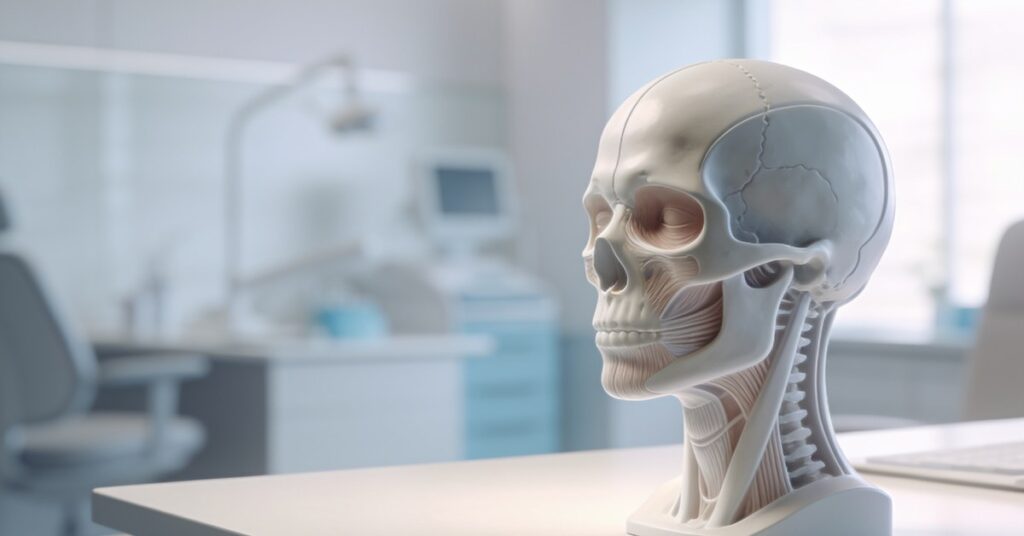
Buccal Fat Pad Removal, clinically referred to as buccal lipectomy or Cheek Reduction, is a surgical procedure designed to permanently slim the lower cheeks by extracting the buccal fat pads located in the mid-cheek area. This Cosmetic Surgery is specifically intended for individuals who feel their faces appear overly round due to genetically determined fat deposits that do not respond to diet or exercise. Ever wondered if there is a way to address that stubborn lower cheek fullness that just won’t budge? While many people focus solely on the visual change, it is vital to view this as a medical intervention that alters the structural composition of your face. Understanding the underlying anatomy is the first step toward managing your health expectations correctly. When you commit to this change, you are essentially modifying a natural protective cushion of the face, which requires a sober assessment of your long-term aesthetic goals compared to your current facial shape.
What to Expect During the Buccal Fat Removal Procedure and Recovery
The Buccal Fat Removal procedure is a streamlined, day-case surgery typically lasting between 45 to 60 minutes, performed under local anaesthesia or light sedation. During the operation, a Surgeon makes a precise 2 to 3 cm incision on the inside of the mouth, near the upper back teeth, to access and carefully remove the fat pads before closing the site with dissolvable absorbable sutures. From my experience, the immediate post-operative phase is manageable if you strictly follow the hygiene protocols provided by your medical team. You will need to maintain a soft food diet and ensure your oral cavity stays clean to prevent any secondary complications near the incision lines. Most patients find that the discomfort is surprisingly minimal, provided they adhere to the prescribed aftercare routines.
Following the operation, most patients can return to work within 1 to 2 days, though initial swelling and healing usually require 7 to 10 days to settle down. While the immediate recovery period for the tissue spans 3 to 6 weeks, the final Facial Contouring results will only become fully visible within 2 to 3 months as the underlying tissues settle into their new shape. Patience is a virtue here, as your face will likely fluctuate in appearance during the first few weeks due to residual inflammation. Keeping a simple symptom diary helped me stay on top of things when I evaluated similar procedures, as it allowed for a clear tracking of healing milestones.
Evaluating the Risks of Cosmetic Surgery and Patient Satisfaction
While Buccal Fat Pad Removal offers a permanent solution because the fat pads do not grow back, it is an irreversible procedure that carries potential surgical risks. Remember: Once the fat is gone, you cannot put it back, so ensure you are fully prepared for the permanent change in your facial structure. The decision should never be made on a whim or based on temporary social media trends, as the biological cost of an over-resection can be significant. If you remove too much, you risk a gaunt, skeletal look that often makes a person appear much older than they actually are. It is a delicate balance of aesthetics and anatomical safety that only a highly skilled, experienced professional can navigate effectively for you.
| Potential Risk | Description |
|---|---|
| Infection | Bacterial growth at the incision site. |
| Asymmetry | Uneven fat removal resulting in lopsided cheeks. |
| Nerve Damage | Temporary or permanent facial muscle weakness. |
| Duct Injury | Damage to the nearby salivary ducts. |
Determining the Ideal Candidate for Buccal Fat Removal
A good Candidate for Buccal Fat Removal is generally a physically healthy, non-smoking adult between the ages of 20 and 45 who maintains a stable body weight and possesses good skin elasticity. Ideal patients typically exhibit a naturally prominent bone structure, such as high cheekbones, but are bothered by excessive fullness in the lower cheeks that creates a disproportionate facial silhouette. From my experience, being honest with yourself and your Surgeon about your long-term goals is the best way to avoid disappointment later. If you are a smoker, you must understand that nicotine significantly impairs blood flow and wound healing, which can turn a routine recovery into a complicated medical ordeal. Furthermore, if your bone structure does not support a thinner cheek, the procedure may highlight structural weaknesses rather than enhancing your features.
How Much Does Buccal Fat Removal Cost and Where to Find Clinic Locations
In the UK, the Buccal Fat Removal Cost typically ranges from £2,000 to £5,500, with specific clinics like 152 Harley Street listing prices starting from £3,250, while Bella Vou charges £2,500 for local anaesthesia. You should note that private medical insurance providers, including Bupa, Vitality, and Aviva, do not cover this Cosmetic Surgery, nor is it available via the NHS; however, many UK Clinic Locations offer 0% APR or low-interest financing plans over 1 to 5 years to assist with costs. Always budget for an initial private Consultation, which usually costs between £100 and £200, as this is a mandatory step before any surgical commitment. It is wise to look at the total cost of ownership, including potential time off work and the cost of any secondary care if complications arise.
Comparing Buccal Fat Pad Removal with Dermal Fillers for Facial Contouring
Buccal Fat Pad Removal is a permanent surgical excision of fat pads through incisions inside the mouth, whereas dermal fillers are temporary, injectable gels—most often made of Hyaluronic Acid—used to add volume and lift the cheekbones. While the surgical procedure is intended for slimming the cheeks, fillers require regular maintenance with touch-ups every 6 to 18 months to preserve the desired aesthetic effect. It is a common mistake to assume that both methods achieve the same look; in reality, they move in opposite directions on the facial volume spectrum. Surgery is about subtraction, while fillers are about addition and projection. If you are uncertain about your long-term desire for a slimmer face, starting with a non-permanent filler consultation might be a safer path to explore your goals.
How to Select a Qualified Removal Surgeon
To ensure your safety and the quality of your results, you must verify that your Removal Surgeon is listed on the GMC Specialist Register and holds a Certificate of Completion of Training (CCT) in Plastic Surgery. You should follow these steps to vet your potential Surgeon effectively:
- Check for active membership in BAAPS or BAPRAS.
- Verify board certification status (ABPS or equivalent).
- Read verified patient reviews on platforms like RealSelf.
- Schedule consultations with at least 2 or 3 surgeons.
During these consultations, don’t be afraid to ask direct questions, such as: „How many of these specific procedures have you performed?” or „Can I see examples of your previous work on patients with similar facial structures to mine?” A truly professional Surgeon will appreciate your diligence and will provide you with clear, honest answers without pressure. If you feel rushed, walk away; you are the one who has to live with the results, so you have every right to ensure the person holding the scalpel is fully qualified.
Frequently Asked Questions
Can I combine this surgery with other facial procedures?
Yes, many patients choose to combine Buccal Fat Pad Removal with other treatments like liposuction or facelifts to achieve a more cohesive Facial Contouring result. You must discuss the safety and recovery implications of combined surgeries with your Surgeon during your initial Consultation.
Does the procedure affect my ability to eat or speak?
Immediately after the procedure, you may experience minor stiffness or sensitivity that could temporarily affect your comfort while eating or speaking. This usually subsides within a few days as the initial swelling decreases and your mouth heals.
Will my face sag as I age after the fat is removed?
If the procedure is performed correctly on the right Candidate for Buccal Fat Removal, the structural integrity of your face should remain stable. However, removing too much fat can accelerate the appearance of ageing, which is why choosing a highly qualified Surgeon is paramount to your long-term satisfaction.
How can I prepare for my consultation?
Prepare for your Consultation by compiling a list of your aesthetic goals, your medical history, and any questions regarding the specific Buccal Fat Removal Cost and recovery timelines. Bringing reference photos of facial structures you admire can also help your Surgeon understand your desired outcome.
Thoroughly vet your surgeon’s credentials to avoid irreversible complications and maintain the long-term integrity of your facial structure. Your commitment to safety and realistic expectations remains the best foundation for a successful aesthetic transformation.