Navigating the transition to a nursing home is a significant step in managing long-term health and ensuring the safety of a loved one. In this guide, I provide an evidence-based overview of what professional nursing care entails, helping you understand the clinical support available and the practical steps needed to make an informed, confident decision for your family. By clarifying these essential services and financial pathways, you will be better prepared to support your loved one through this important life change.
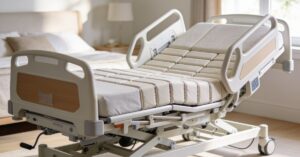
A nursing home is a specialised residential care facility that provides 24-hour medical supervision, nursing care, and rehabilitative services for individuals who can no longer safely live independently due to complex health requirements. Often referred to as skilled nursing facilities, these environments are specifically structured to offer continuous medical monitoring and professional support that goes far beyond the capabilities of standard residential care. When families ask what is a nursing home, they are essentially inquiring about a clinical setting designed to bridge the gap between hospital care and independent living through intensive health management.
What is a nursing home
A nursing home serves as a residential institution designed to provide round-the-clock medical attention and support with everyday tasks for individuals who are no longer capable of maintaining an independent lifestyle. While these establishments predominantly support the elderly, they also cater to individuals grappling with chronic health conditions, profound disabilities, or those recuperating following surgery or discharge from a hospital.
Core functions and services
Nursing homes distinguish themselves from other living arrangements through the depth of medical supervision they provide. Below are the primary services offered within these facilities:
- Continuous medical supervision: In contrast to standard residential care, nursing homes maintain qualified, registered nurses on the premises at all times to manage treatments and observe complex clinical conditions.
- Support with routine activities: Skilled personnel assist residents with fundamental tasks, including personal hygiene, dressing, nutritional intake, and physical mobility.
- Rehabilitative therapies: Many homes facilitate on-site physical, occupational, and speech therapy for residents recovering from surgical procedures, strokes, or physical trauma.
- Dementia and memory support: Specially designated areas are often utilised to provide structured care for those living with advanced Alzheimer’s or other forms of cognitive impairment.
Terminology and regional distinctions
The terminology used to describe these centres often varies depending on the medical intensity required and the geographical region:
- Skilled nursing facilities: This designation is frequently used to describe a medicalised environment where care is often funded for short-term rehabilitation purposes.
- Care homes with nursing: This is the standard terminology in the United Kingdom, indicating that the facility provides continuous care from registered nurses alongside day-to-day personal assistance.
Key considerations for selection
When evaluating potential residential care options, it is essential to consider the following factors:
- Individual healthcare plans: Each resident should benefit from a bespoke care strategy developed in collaboration with healthcare professionals.
- Scope of care: It is important to distinguish between a general residential care home, which focuses on social support, and a nursing home, which is specifically equipped to provide clinical medical care.
- Verification of standards: Prospective residents or their families should always review official inspection reports and local health authority ratings to ensure the facility meets rigorous safety and quality benchmarks.
Defining the Scope of Nursing Home Care and the Different Type of Care
Nursing home care is defined by the presence of round-the-clock medical supervision and the availability of registered nurses and healthcare professionals on-site at all times. Unlike other types of residential care, the environment here is intentionally clinical, designed to facilitate the delivery of high-acuity treatments and constant monitoring for residents with progressive or chronic conditions. The fundamental difference between nursing homes and care homes lies in the level of clinical intervention required, which is essential to understand when evaluating what is a nursing home in the context of your specific care needs.
| Feature | Nursing Home | Assisted Living |
|---|---|---|
| Medical Care | 24/7 skilled nursing | Minimal/None |
| Environment | Clinical & structured | Residential & social |
| Primary Focus | Medical monitoring | Daily task assistance |
Core Services and Medical Needs in a Nursing Care Home
The primary services provided in a nursing care home include 24/7 medical supervision, the administration of complex medications, and comprehensive wound management to prevent complications. Beyond basic health maintenance, these facilities offer specialised memory care for people living with dementia, ensuring that cognitive decline is managed with dignity and safety. Furthermore, residents have access to tailored physical, occupational, and speech rehabilitation therapies, alongside palliative and end-of-life care, all supported by weekly visits from general practitioners (GPs) who coordinate the long-term care plan.
Assistance with Daily Living and Care and Support
Daily living support in a nursing home encompasses essential physical help with bathing, dressing, toileting, eating, and transferring between mobility aids or beds. This assistance is provided by trained care staff who work in tandem with medical professionals to ensure that physical needs are met while maintaining the resident’s comfort. By handling these fundamental tasks, the facility allows residents to focus their energy on rehabilitation and social engagement, knowing that their physical well-being is being managed by a team that understands their specific health limitations.
A Typical Day in a Residential Care Home Environment
Daily life in a nursing home follows a structured routine designed to optimise health outcomes, beginning with residents waking between 7:00 AM and 8:30 AM to receive assistance with morning hygiene and mobility. Nurses immediately follow this with the administration of medications, ensuring that pharmacological regimens are adhered to strictly before the first meal of the day. This routine provides a sense of predictability, which is particularly beneficial for those experiencing cognitive impairment or those who require consistent medical management to remain stable.
Financial Planning for Care Services
Funding a nursing home is a complex financial undertaking, with average fees in the UK reaching approximately £1,535 per week. These costs cover the comprehensive medical, nursing, and personal care services provided to ensure the resident’s safety and well-being. Because these expenses are significant, families must navigate various funding routes, including self-funding, local council support, NHS Funded Nursing Care (FNC), and NHS Continuing Healthcare (CHC) to determine the most sustainable approach for their specific situation.
How to Find a Care Home and Select the Right Facility
Choosing the best nursing home requires a thorough assessment of official ratings and compliance reports, which can be found on the Care Quality Commission (CQC) website. The CQC is the independent body that inspects and regulates health and social care services in the UK, providing an objective measure of the quality and safety you can expect. Additionally, you should verify ratings and gather further information via the Age UK website to build a complete picture of the facility’s reputation and historical performance before making a commitment.
Moving Into a Care Home and Following a Care Plan
Moving into a care home is a major life event that requires careful preparation, starting with using the Age UK Care Home Calculator to estimate costs and check eligibility for local authority funding. Before the move, use the Care Quality Commission (CQC) Finder to look up the facility again and confirm all final details. On the practical side, label all clothes and personal items to prevent loss in the communal laundry and provide staff with a „life story” document detailing hobbies, routines, likes, and dislikes, which helps the care team provide more personalised, compassionate support from the very first day.
Frequently Asked Questions
Are there specific requirements for people living with dementia?
Yes, facilities providing specialised dementia care must have staff trained in managing cognitive decline and environments designed for safety and orientation. These units often feature secure areas to prevent wandering and sensory-friendly layouts to reduce agitation.
Can I request a specific GP for my relative?
While nursing homes usually have an established relationship with a local surgery for weekly visits, you can often discuss maintaining an existing GP relationship if they are within the practice catchment area. This is a point to negotiate during the initial assessment phase and the creation of the care plan.
How does the Care Quality Commission (CQC) rating impact my choice?
The CQC ratings provide a transparent, evidence-based score of a facility’s safety, effectiveness, and leadership. Prioritising homes with 'Good’ or 'Outstanding’ ratings is the most reliable way to ensure a high standard of care for your relative.
What happens if my loved one’s health needs change over time?
Nursing homes are equipped to adapt care plans as health needs evolve, ensuring that residents receive escalating levels of support without needing to move to a different facility. Regular reviews with the nursing staff ensure that the care provided reflects the current medical status of the individual.
Prioritising official CQC inspection reports ensures you select a facility that meets rigorous safety standards, providing your loved one with the clinical support and dignity they deserve. Remember that careful preparation and open communication are your best tools for creating a stable, comfortable, and supportive new home for your family member.