
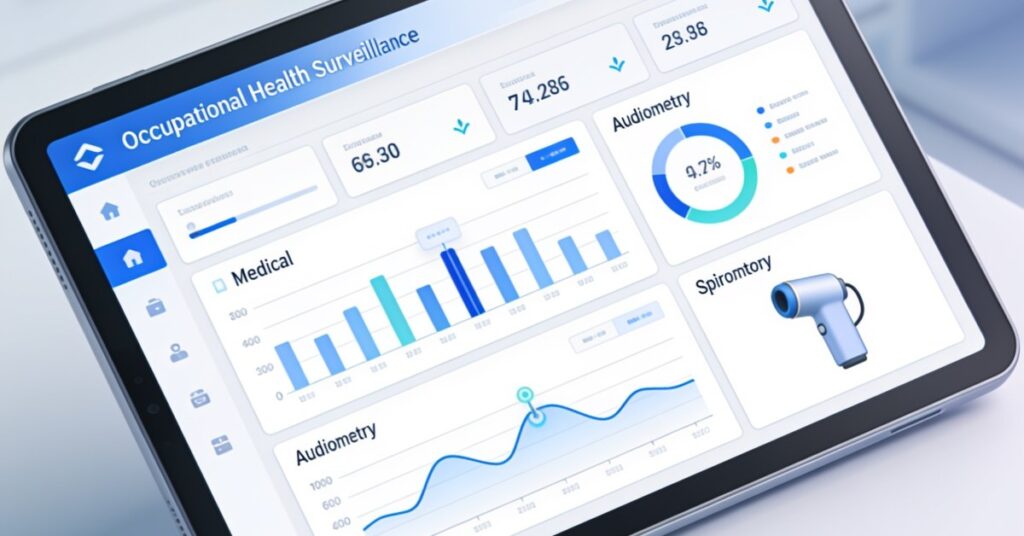
Navigating the complexities of Health Surveillance is a vital step in safeguarding your long-term well-being, especially when your professional environment involves potential physical or chemical risks. In this guide, you will learn exactly what these systematic health checks entail, what you can expect during the process, and how to effectively prepare to ensure your health remains a top priority. My goal is to provide you with the evidence-based clarity you need to feel confident and fully informed about your occupational health journey.
Health surveillance
What is health surveillance?
Health surveillance functions as a methodical and continuous procedure aimed at monitoring the physical and mental well-being of staff members to identify potential work-related ailments at an early stage. Within the framework of United Kingdom legislation, business owners are strictly obligated to establish a surveillance programme if their personnel continue to be subjected to workplace risks—such as high noise levels, vibrations, chemical exposure, or dust—despite the implementation of primary control measures.
Regulatory requirements and professional guidance
The Health and Safety Executive (HSE) serves as the primary authority providing comprehensive instructions regarding the necessity and implementation of health monitoring systems. When staff members are regularly in contact with specific hazards, these screenings are no longer considered discretionary; they constitute a mandatory legal duty for the employer. Generally, these medical evaluations must be formalised in conjunction with a qualified occupational health practitioner to ensure they are fit for purpose.
Common methods of health monitoring
Different industrial risks necessitate specific types of medical inquiry. The most prevalent assessments include:
- Audiometry: Systematic hearing examinations designed to detect the initial symptoms of hearing impairment caused by excessive noise exposure.
- Spirometry: Respiratory function assessments used to identify occupational asthma or chronic obstructive pulmonary disease (COPD) resulting from the inhalation of fumes or dust.
- HAVS Screening: Targeted hand-arm vibration assessments for workers who operate vibrating mechanical equipment or power tools.
- Dermatological Assessments: Visual inspections conducted regularly to identify early indicators of dermatitis or other skin conditions triggered by contact with hazardous chemical substances.
Implementing a tailored approach
The specific nature of the health checks will be dictated by the particular hazards present in your unique professional environment. For instance, industries with heavy particulate matter will require consistent lung function testing, whereas construction or manufacturing roles involving heavy machinery will prioritise audiometric and vibration-related screenings. Organisations seeking to adhere to these standards should look to formal HSE guidance to ensure full compliance with current UK legal requirements.
Understanding the Health Surveillance Programme
Health Surveillance is a systematic, ongoing programme of repeated health checks designed to monitor the health of employees who remain exposed to specific hazards like noise, vibration, or hazardous substances. It acts as a critical feedback loop, allowing us to evaluate whether current safety controls, protective equipment, or Risk Assessment protocols are actually preventing harm. It is important to note that this process is distinct from general health monitoring, as it is specifically focused on clinical outcomes linked to occupational exposure.
Legal Requirement and Occupational Health Obligations
In the UK, Health Surveillance is a strict legal requirement under the Health and Safety at Work etc. Act 1974 and related regulations, specifically when workers remain exposed to risks after all reasonable control measures have been implemented. Ever wondered if your workplace is doing enough to keep you safe? Employers must adhere to the Management of Health and Safety at Work Regulations 1999, which mandate that if a Risk Assessment identifies a need for monitoring, it must be provided. The Health and Safety Executive (HSE) last updated their comprehensive overview guide on 3 February 2026, reinforcing the necessity of these schemes for maintaining compliance and Occupational Health obligations across various industrial sectors.
Mandatory Medical Surveillance for High-Risk Hazards
Medical surveillance is a higher tier of oversight legally required for specific, high-risk hazards. In these instances, employers are legally obligated to use a competent occupational health doctor or an employment medical adviser who is specifically approved by the HSE to maintain the integrity of clinical records and safety standards.
| Hazard Type | Surveillance Requirement |
|---|---|
| Asbestos | Mandatory medical surveillance |
| Lead | Mandatory medical surveillance |
| Ionising Radiation | Mandatory medical surveillance |
| Hand-Arm Vibration | Surveillance if above EAV |
Core Components of a Successful Health Surveillance Programme
A successful Health Surveillance programme is built upon a foundation of specific diagnostic tests tailored to the risks of the workplace. From my own experience working in technical environments, I have found that keeping a simple symptom diary alongside these clinical checks is the best way to catch early warning signs before they become a real headache.
- Audiometry: Testing for early signs of noise-induced hearing loss.
- Spirometry: Monitoring respiratory function in dusty or fume-heavy environments.
- HAVS Screening: Targeted testing for those using vibrating machinery.
- Biological Monitoring: Assessing substance absorption in the body.
Public Health Surveillance and Work Assessments
Public health surveillance encompasses a variety of systematic strategies used to monitor the wellness of broad populations. These range from passive reporting to highly active data collection, ensuring that health authorities can identify and respond to outbreaks proactively.
- Passive: Monitoring routine reports from clinics.
- Active: Health authorities proactively seeking out data.
- Sentinel: Monitoring specific 'early warning’ sites.
- Syndromic: Tracking symptom clusters to flag patterns.
Technological Innovations in Modern Occupational Health
Technology has fundamentally changed the landscape of surveillance by enabling real-time data collection and automated analysis of complex health patterns. Modern smartwatches now stream physiological data such as heart rate and oxygen levels directly to users, allowing for a more proactive approach to personal health management.
Important: AI and machine learning tools are now used to automate anomaly detection in electronic health records, meaning potential health issues are flagged much faster than in the past. Always ensure your personal health data on apps is secure and handled by reputable, integrated care providers.
Interpreting Data for Informed Decision-Making
Interpreting surveillance data requires comparing current findings against established baselines to identify anomalies, outbreaks, or concerning trends. You should cross-reference data against three key characteristics—completeness, accuracy, and timeliness—while assigning a quality score to each record to identify any gaps in the reporting processes.
Benefits and Challenges of Occupational Health Programmes
The primary benefit of Health Surveillance is the early detection of preventable conditions, though the field faces challenges such as data fragmentation across hospitals, clinics, and local councils. As D. Wilken (2012) reported, the perceived benefits of these programmes are not always universally accepted, and their structures can be inconsistent.
Frequently Asked Questions
What is the difference between Health Surveillance and general health monitoring?
Health Surveillance is a specific, legally mandated programme for occupational risks, whereas general health monitoring is usually voluntary and less focused on specific workplace exposures. It ensures that clinical standards are met specifically for hazards like noise, vibration, or hazardous substances.
Why is an appointed doctor necessary for certain hazards?
For hazardous substances like lead or asbestos, the law requires an HSE-approved doctor to ensure the highest standard of medical oversight and record-keeping. This professional acts as an independent auditor of your health in relation to your specific exposure risks.
Can I refuse to participate in an occupational health check?
If a programme is legally required due to your specific workplace exposure, it is generally a term of employment; clear communication about privacy is essential to address any resistance. Refusal can sometimes hinder your employer’s ability to ensure your safety and comply with statutory requirements.
How do I prepare for my health surveillance assessment?
Preparation involves being honest about your symptoms, ensuring your medical history is up to date, and understanding that the process is designed to protect you from long-term occupational health conditions. Bringing a log of any discomfort you have experienced during work hours is highly recommended for an accurate assessment.
Staying proactive by maintaining an accurate, personal symptom diary alongside your formal screenings will help you stay ahead of any potential workplace health issues. Prioritising these routine assessments ensures that your employer remains accountable while you maintain full control over your long-term occupational safety.