Protecting yourself and your loved ones from the complications of pneumococcal disease is a vital step in maintaining long-term health and well-being. In this guide, I will provide you with evidence-based insights into the UK vaccination programme, detailing exactly who is eligible, what you can expect during the process, and how you can effectively manage your vaccination journey. By understanding these clinical pathways and practical considerations, you will be well-prepared to make informed decisions for your health and peace of mind.
The Pneumococcal Vaccine UK is a highly effective immunisation designed to protect against Streptococcus pneumoniae bacteria, which can cause severe illnesses such as pneumonia, meningitis, and septicaemia. It is offered through the NHS for vulnerable groups, including infants, older adults, and those with chronic health conditions, while also being available privately for those who wish to pay for the service. By stimulating the body’s immune system to recognise and fight these specific bacteria, the vaccine significantly reduces the risk of invasive pneumococcal disease and its associated health complications.
Pneumococcal vaccine UK
Understanding the Pneumococcal Vaccine
The pneumococcal vaccine is a vital health measure designed to safeguard against severe infections, including meningitis and pneumonia. In the United Kingdom, the National Health Service (NHS) provides this immunisation free of charge to specific groups, including infants, individuals aged 65 and over, and those living with particular chronic health conditions. For those who do not meet the NHS criteria, private vaccination options are available at various high-street pharmacies for approximately £100.
Types of Vaccines and Protection
There are two primary variants of the vaccine utilised within the UK healthcare system:
- PCV20 (Prevenar 20): A conjugate vaccine that provides defence against 20 distinct strains of pneumococcal bacteria. This version is becoming the standard for both infant and adult immunisation schedules.
- PPV23 (Pneumovax 23): A polysaccharide vaccine engineered to cover 23 different bacterial strains.
These vaccines represent significant advancements in preventing invasive pneumococcal disease, which remains a primary cause of morbidity across diverse age groups.
Eligibility for NHS Vaccination
The NHS prioritises certain demographics for free protection. Eligibility typically encompasses the following groups:
- Infants: Immunisation is administered routinely as a key component of the childhood vaccination programme, usually involving injections at 2 and 4 months of age.
- Older Adults: Individuals aged 65 and older are advised to receive a single dose, which typically provides long-term immunity without the need for annual boosters.
- At-Risk Individuals: People over the age of two who suffer from chronic conditions—such as heart, liver, or kidney disease, diabetes, or those with compromised immune systems—are eligible for the jab.
How to Obtain the Vaccine
If you are seeking information regarding an appointment or wish to verify your eligibility, the first step is to consult your local GP practice. They can assess your medical records and guide you through the process. Should you not qualify for the NHS-funded programme but remain concerned about your health, private vaccination services are widely accessible. Pharmacists are well-equipped to discuss your requirements and offer both expert advice and the necessary injections in a convenient setting.
Administration and Safety
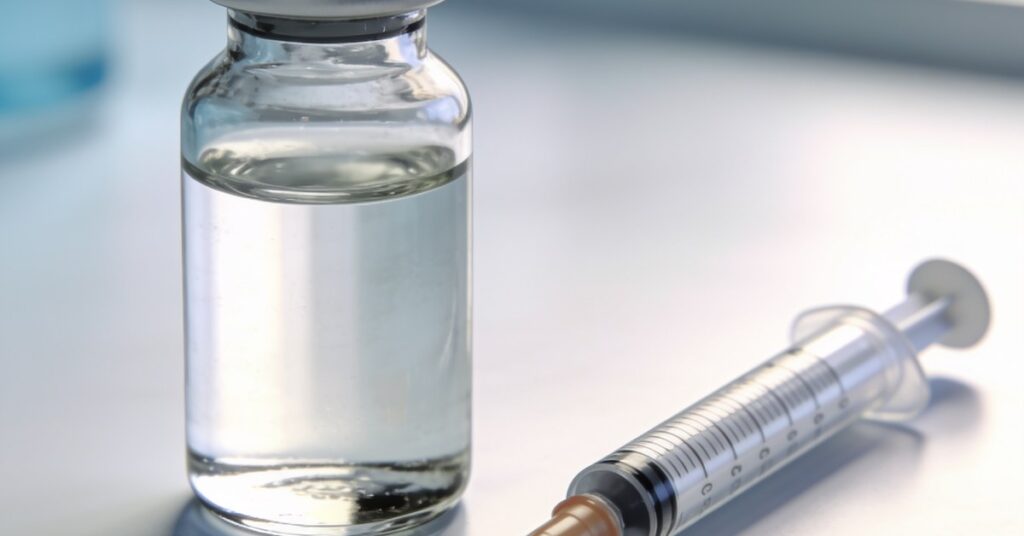
The Pneumococcal Polysaccharide vaccine is administered via an injection into the upper arm. It is important to note that the vaccine does not contain live bacteria, making it an efficient and safe method to strengthen your immune response against serious bacterial infections.
Who Is Eligible for the Pneumococcal Vaccine
Eligibility for the free NHS Pneumococcal Vaccine UK is strictly defined by age and specific clinical risk factors to ensure that those most likely to suffer from severe infections are protected first. Babies are included as part of the routine childhood immunisation programme, while all Older Adults aged 65 and over qualify for a single dose to bolster their immunity during their senior years.
Beyond age-based criteria, children and adults aged 2 to 64 are eligible if they fall into higher-risk categories that compromise their immune response or respiratory health. This includes individuals living with chronic heart, lung, kidney, or liver conditions, as well as those with diabetes or a weakened immune system. Furthermore, people with sickle cell disease, those with spleen problems—or those who have had their spleen removed—are prioritised. Other specific groups eligible for the vaccine include individuals with cochlear implants, those with cerebrospinal fluid leaks, and certain welders or metal workers who face consistent, high-level exposure to metal fumes in their daily occupation.
Vaccination Schedule and Clinical Pathways for Pneumococcal Disease
The timing of your pneumococcal immunisation follows a precise schedule designed to maximise the body’s protective response at different life stages. For babies, the first dose of the pneumococcal conjugate vaccine (PCV) is administered at 16 weeks of age, followed by a necessary booster dose on or after their first birthday to ensure lasting immunity.
For Older Adults aged 65 and over, the standard pathway is a single dose of the PPV23 or PCV20 vaccine. However, clinical pathways can be more complex for children under 2 years of age with specific health conditions, as they may require additional doses of PCV to achieve the desired level of protection. Similarly, for severely immunocompromised adults, the clinical guidance may involve a tailored sequence, often starting with a dose of PCV13, potentially followed by a later dose of PPV23 or PCV20. From 1 July 2025, the national programme will refine this further, ensuring the first PCV13 dose remains a cornerstone of the 16-week infant schedule.
Types of Vaccines and How the Pneumococcal Vaccine Works
There are four primary types of vaccines available in the UK, each offering protection against a different number of bacterial strains. Understanding the scope of these vaccines helps in navigating the current clinical landscape:
| Vaccine Type | Strains Covered | Primary Use |
|---|---|---|
| PCV13 | 13 | Routine NHS childhood programme |
| PCV20 | 20 | Routine adult programme (65+) |
| PCV15 | 15 | Private or specific clinical risk |
| PPV23 | 23 | Adults aged 2+ (phasing out by 2026) |
Effectiveness of the Pneumonia Vaccination Service
NHS data indicates that pneumococcal vaccines are between 50% and 70% effective at preventing the development of pneumococcal disease across the population. Vaccination remains the most robust preventative measure we have to avoid the hospitalisation associated with severe respiratory infections, effectively training the immune system to neutralise bacteria before they can invade the deeper tissues of the respiratory tract.
For Older Adults, the vaccines are particularly valuable, offering up to 73% effectiveness against severe invasive pneumococcal disease and approximately 41% to 64% effectiveness against community-acquired pneumonia. The specific performance of the PPV23 vaccine shows a 41% effectiveness rate against vaccine-serotype pneumococcal disease in adults aged 65 and over. These figures highlight the importance of high vaccination coverage; in the 2023/24 period, the UK achieved a 73.1% vaccination rate among adults aged 65 and over.
Managing Side Effects and Post-Vaccination Care
Side effects from the Pneumococcal Vaccine UK are generally mild and typically subside within 1 to 3 days without the need for medical intervention. If you experience discomfort, common injection site reactions include pain, tenderness, redness, hardness, or swelling, which can usually be managed with over-the-counter painkillers like paracetamol.
From my experience, dealing with these minor symptoms is straightforward if you remain prepared. Keep these items handy for the first 48 hours post-vaccination:
- Paracetamol or ibuprofen (to manage fever and aches)
- Hydration (water or electrolyte drinks)
- A thermometer (to monitor any mild fever)
- A simple note of the date for your health records
Systemic reactions such as a mild fever, muscle aches, joint aches, fatigue, and headaches may occur as your immune system mounts a response. Remember: While serious adverse events are extremely rare, you must dial 999 or visit the nearest A&E immediately if you experience symptoms of a severe allergic reaction, such as difficulty breathing or throat swelling.
How to Access a Private Vaccination Service
You can get the Pneumococcal Vaccine UK either through your GP surgery as part of the NHS-funded programme or by paying for a private service at a high-street pharmacy. To access an NHS-funded dose, you must contact your GP surgery to book an appointment, ensuring you meet the eligibility criteria for age or clinical risk.
If you do not meet the NHS criteria, private vaccinations are widely available at pharmacies such as Boots, Superdrug, Day Lewis, and Well Pharmacy. Follow these steps to secure a private appointment:
- Check the pharmacy website to confirm if they offer the Pneumonia Vaccination Service.
- Compare pricing; costs vary between £30 and £100 depending on the provider and vaccine type.
- Book your slot online or call ahead to verify walk-in availability.
- Bring a form of ID and your NHS number for your health records.
Frequently Asked Questions
Can the vaccine cause pneumococcal meningitis?
No, the vaccine cannot cause pneumococcal meningitis. The vaccines used in the UK are non-live formulations, meaning they contain parts of the bacteria that cannot trigger the disease they are meant to prevent.
Is it safe to receive other vaccines alongside this one?
Yes, it is generally safe to receive the pneumococcal vaccine at the same time as other routine immunisations, such as the flu jab. Always discuss your vaccination history with your GP or pharmacist to ensure your schedule is appropriately managed.
Do I need a booster dose if I have already been vaccinated?
Most adults only require a single dose of the pneumococcal vaccine for protection. However, individuals with certain underlying health conditions or weakened immune systems may be advised by their doctor to receive additional doses later in life.
What should I do if I miss my scheduled booster dose?
If you miss a dose, you should contact your GP surgery as soon as possible to reschedule. Missing a single dose does not typically require you to restart the entire vaccination series, but it is important to get back on track to maintain immunity.
Confirming your eligibility with your GP surgery is the most effective way to secure your dose and ensure your medical history remains up to date. Prioritising this simple preventative measure today provides you with the peace of mind that comes from knowing you are well-protected against serious respiratory illness.