Navigating back pain during pregnancy is a common challenge that requires careful attention to ensure both your comfort and physical wellbeing. In this article, you will discover the evidence-based reasons behind this discomfort, learn how to distinguish normal symptoms from those requiring medical intervention, and find practical, safe strategies to manage your pain effectively. We are here to provide the clarity and guidance you need to feel more in control of your health journey during this important time.
Is back pain one of the symptoms of pregnancy?
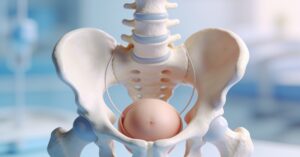
Indeed, experiencing back discomfort can be an initial indicator of pregnancy. This typically occurs as your body begins to synthesise hormones, such as relaxin, which work to soften pelvic ligaments, alongside the primary stretching of your uterus to accommodate development.
Potential triggers for early pregnancy back pain
There are several factors that contribute to lumbar discomfort during the initial stages of gestation, including:
- Hormonal fluctuations: Increased levels of relaxin and progesterone cause ligaments to become more supple, which can affect your posture and stability.
- Physiological adjustments: As your body prepares for the pregnancy, the softening of ligaments and the shifting of your centre of gravity can lead to aches.
Distinguishing signs from premenstrual discomfort
It is important to note that back pain is frequently associated with premenstrual syndrome; therefore, it cannot be considered a conclusive method for confirming conception. Taking a pregnancy test remains the most reliable method to ascertain your status.
When to seek professional medical advice
While minor aches are common, the NHS advises that you should consult your doctor if back pain is accompanied by certain warning signs, as these may indicate an infection or other medical complications:
- A high temperature or fever.
- Unexplained vaginal bleeding.
- Discomfort or pain during urination.
- Numbness, weakness, or severe pain radiating into the legs.
- Symptoms occurring in the second or third trimester, as these could potentially signal the onset of early labour.
Summary
Lower back pain can certainly serve as a signal of early pregnancy due to the release of hormones that facilitate physical changes. However, because these symptoms overlap with other conditions, you should always consult a healthcare professional if you are concerned or if the pain is severe.
Is Back Pain an Early Symptom of Pregnancy and a Sign of Pregnancy?
Back pain is indeed an early symptom of pregnancy, with many women reporting the onset of discomfort as early as 4 to 8 weeks after conception. Many readers frequently search for information on whether Is Back Pain Pregnancy Symptoms are a definitive indicator of a new life, and the answer is that while it is a common early sign, it is rarely the only one. This early sensation is primarily driven by the body’s rapid hormonal adjustments, which prepare your system for the months ahead. Resources such as the NHS Pregnancy Guide and Johns Hopkins Medicine serve as excellent foundations for assessing these initial changes, helping you understand that feeling physical shifts this early is a normal part of the physiological transition.
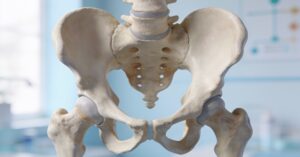
The primary culprits behind this early-stage discomfort are the hormones relaxin and progesterone. These chemicals begin to circulate in higher concentrations shortly after conception, specifically targeting the ligaments that connect your pelvic bones to your spine. By loosening these structures, your body creates the necessary flexibility for the upcoming growth of the uterus, but this process can inadvertently lead to instability and soreness in the lower back region before you might even see a positive result on a pregnancy test.
Understanding the Timeline and Causes of Lower Back Pain in Pregnancy
Back pain typically begins to manifest consistently between weeks 18 and 24, though clinical data notes that for some individuals, the onset of symptoms can be observed as early as 16 weeks. While the second trimester, which spans weeks 13 to 27, is the most common window for these complaints, some research suggests that noticeable discomfort may persist or intensify between the fifth and seventh months of gestation. Understanding this timeline helps you anticipate when your body might require additional support as the pregnancy progresses.
Mechanical and Biological Factors of Pregnancy Back Pain
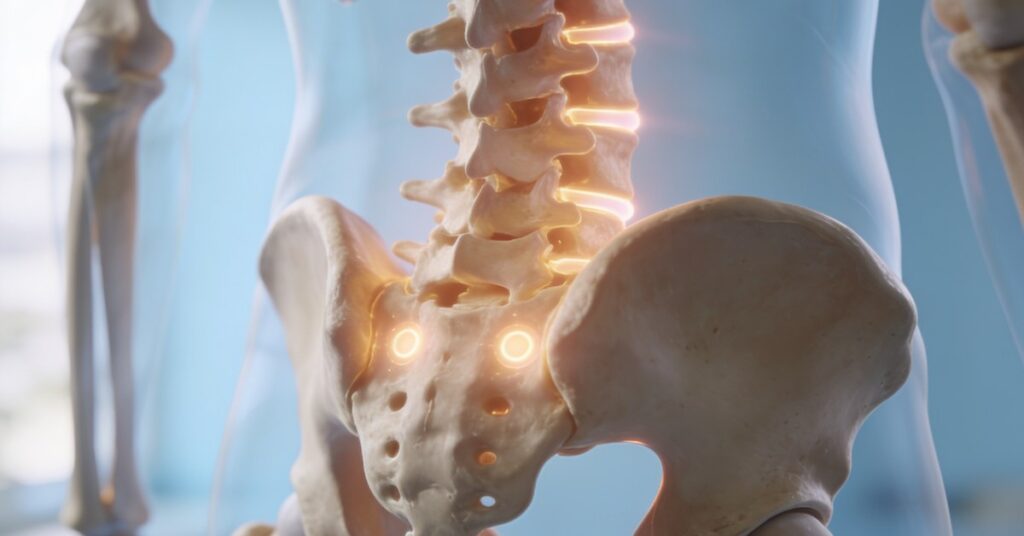
The development of lower back pain is a near-universal experience, affecting roughly 50% to 80% of pregnant women at some stage. This frequency is due to a combination of mechanical and biological stressors, most notably the tenfold increase in relaxin levels, which significantly alters joint stability. Furthermore, as the uterus expands, your centre of gravity shifts forward, forcing the muscles in your lower back to work harder to maintain your posture.
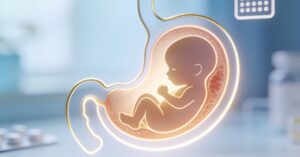
Beyond hormonal and gravity-based shifts, the physical presence of the baby can play a direct role in your discomfort. In many cases, the baby’s position can result in direct pressure against nerves or the lower back, while the weight of the placenta adds significant strain to your leg and core muscles. Additionally, your abdominal muscles may stretch and separate from the rib cage down to the pubic bone, leaving the lower back to compensate for the loss of central core support.
Distinguishing Between Pain in Pregnancy and Period Symptoms
Differentiating between pregnancy-related back pain and premenstrual syndrome (PMS) is possible by observing the timing and associated hormonal markers. While back pain is a shared symptom, period-related pain is typically linked to prostaglandins, which trigger uterine contractions specifically to shed the uterine lining. Conversely, pregnancy-related pain is more closely tied to the ligament-loosening effects of relaxin and progesterone, which occur in a distinct physiological context following conception.
| Feature | Period (PMS) | Early Pregnancy |
|---|---|---|
| Primary Driver | Prostaglandins | Relaxin & Progesterone |
| Typical Onset | Days before menstruation | 4–8 weeks post-conception |
| Morning Sickness | Rarely present | Common (weeks 2–8) |
If you are struggling to identify the cause of your discomfort, look for secondary indicators such as morning sickness. Because the hCG hormone is produced in the placenta 8–10 days after conception, a reliable pregnancy test is the most definitive way to differentiate between these two states. Tracking your symptoms in a simple notebook can provide your GP with valuable data if the pain persists, helping you clarify whether Is Back Pain Pregnancy Symptoms or simply a recurring hormonal cycle.
Managing Pregnancy Back Pain with Home Remedies and Gentle Exercise
Relieving pregnancy-related back pain is best achieved through a combination of targeted physical support and gentle therapeutic techniques. If you are experiencing discomfort, applying a heating pad, a warm water bottle, or an ice pack to the site of pain for 10 to 20 minutes can provide significant, non-invasive relief. It is essential to ensure these heat or cold sources are not excessively hot or cold to avoid skin damage, and always monitor your reaction to the temperature.
Beyond temperature therapy, lifestyle modifications are vital for long-term management. Sleeping on your side with a pillow tucked between your knees helps align your hips and reduces strain on the lower back, while wearing flat, supportive shoes ensures your weight is distributed evenly across your feet. Using a maternity support belt can provide the necessary external compression to alleviate the pull on your lower back muscles. Additionally, incorporating low-impact exercises such as swimming, walking, or prenatal yoga into your routine can strengthen the muscles that support your spine.
Regarding medication, paracetamol is generally considered an option to ease pain, but it must only be used if approved by your GP, midwife, or obstetrician. It is equally important to know what to avoid; you should strictly steer clear of anti-inflammatory drugs (NSAIDs) such as ibuprofen, as these are not recommended during pregnancy.
Important: Always consult your healthcare provider before introducing any form of medication to your routine to ensure it is safe for your specific stage of pregnancy.
When to See a Doctor for Pain in Pregnancy
You should consult a doctor if your back pain persists for more than two weeks, as this may indicate a need for a more comprehensive physical assessment. Seeking medical attention is particularly important if you are in your second or third trimester and notice a sudden change in the intensity or location of the pain. If you experience pain in one or both sides under your ribs, or if the discomfort is accompanied by a fever or painful urination, these are signals that you need to contact your GP or midwife urgently to rule out conditions such as urinary tract infections or other complications.
Certain symptoms require immediate emergency care to protect your health. If you experience a sudden, sharp onset of back pain accompanied by contractions, you must seek medical attention immediately. Furthermore, if you lose feeling in one or both of your legs, your buttocks, or your genitals, you must call 999 or visit A&E right away. These neurological symptoms indicate a potential emergency that requires urgent hospital-based intervention to prevent long-term damage or complications.
Frequently Asked Questions
Is it safe to perform low-impact exercise if I have back pain?
Yes, gentle exercise is generally recommended as it helps strengthen the core and spinal muscles. Always listen to your body and avoid movements that cause sharp pain or significant discomfort during your session.
How does the weight of the baby affect my lower back?
The increasing weight of the baby and placenta shifts your centre of gravity forward, which forces your back muscles to work harder to maintain balance. This added strain is a primary reason for the prevalence of lower back pain during the later stages of gestation.
Can dehydration contribute to pregnancy back pain?
While not a direct cause of structural back pain, dehydration can lead to muscle cramps and fatigue, which may exacerbate existing discomfort. Maintaining adequate hydration is a simple, effective step to support overall muscle function and general wellbeing.
Are there specific sleeping positions that alleviate back pain?
Sleeping on your side with a pillow placed between your knees is highly recommended to keep your hips aligned and reduce pressure on your spine. This position helps prevent the lower back from twisting, which can often lead to stiffness and increased pain during the night.
Managing back pain is a common part of the prenatal journey, and staying informed about these changes will help you navigate your pregnancy with confidence. Always prioritise open communication with your healthcare team, and remember that any persistent or severe pain is a vital signal that your body needs a professional medical review.