
Managing the persistent discomfort of menopause bloating is a vital step in maintaining your digestive health and overall well-being during this significant life transition. In this article, you will discover evidence-based strategies to identify the root causes of your symptoms, learn how to tailor your diet and lifestyle for relief, and understand exactly when it is time to seek professional medical advice. By implementing these practical insights, you can regain control and effectively navigate the challenges of perimenopause and postmenopause with confidence.
To How To Stop Menopause Bloating, you must address the combination of hormonal shifts, digestive slowing, and dietary sensitivities that characterise this phase of life. The most effective approach involves a multi-faceted strategy that combines targeted nutritional choices with lifestyle modifications like stress management and regular cardiovascular activity. When these approaches are applied consistently, many women find significant relief from the heavy, distended feeling that often accompanies the transition into postmenopause. Understanding that bloating during menopause is a common symptom helps you move from feeling helpless to becoming proactive about your gut health. Managing menopause effectively requires a holistic view of your body, as the symptoms of perimenopause and menopause can impact your daily quality of life significantly.
How to stop menopause bloating
To effectively manage and reduce bloating during menopause, it is essential to focus on consistent lifestyle habits. By prioritising hydration and gentle physical activity, you can significantly improve digestive function and reduce fluid retention.
Essential hydration and movement
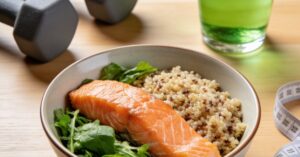
Maintaining adequate hydration is paramount; aim to consume at least eight glasses of water throughout the day. This practice helps to eliminate surplus sodium and mitigates constipation. Complement this by incorporating daily light exercise, such as a 30-minute walk, which encourages healthy digestion and helps release trapped gas.
Comprehensive dietary adjustments
Your nutritional intake plays a critical role in managing abdominal swelling. Consider the following dietary strategies:
- Minimise the consumption of processed, high-sodium foods and artificial sweeteners.
- Reduce intake of gas-inducing items such as dairy, beans, carbonated drinks, and cruciferous vegetables.
- Increase your intake of fibre-rich foods gradually, aiming for approximately 25 grams per day to avoid excessive gas production.
- Prioritise anti-inflammatory foods to support overall gut health.
Targeted supplements and herbal relief
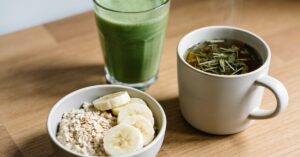
Consulting with a healthcare professional regarding supplements can provide additional support. Magnesium (200 to 500 mg daily) may assist in relaxing digestive muscles and reducing water retention, while probiotics can help balance your gut microbiome. Alternatively, soothing herbal teas like peppermint, ginger, or fennel are effective for improving digestion and soothing discomfort.
Managing stress and digestive health
Raised levels of cortisol caused by chronic stress can severely impede your digestive efficiency. Incorporating relaxation techniques—including mindfulness, yoga, or deep breathing exercises—is highly recommended to reduce stress-induced bloating. Furthermore, establishing a relaxed routine, such as allowing sufficient time between meals, can further ease symptoms.
Addressing persistent concerns
Is bloating common during this transition? Yes, it is widely regarded as one of the most frequent and persistent symptoms of perimenopause. While lifestyle modifications, such as eating a balanced diet and practising stress management, are typically effective, please seek professional medical advice if your bloating becomes chronic, persistent, or is accompanied by sudden weight fluctuations or any form of abnormal bleeding.
Understanding Why Menopause Can Cause Bloating During Perimenopause and Postmenopause
Menopause can cause bloating primarily through the decline of oestrogen and progesterone, which directly influences your digestive efficiency and fluid balance. As these hormone levels drop, the natural rhythm of your digestive tract, known as peristalsis, slows down, leading to a sluggish gut that is prone to gas accumulation and discomfort. Furthermore, the body’s ability to manage fluid becomes less stable during this time, often resulting in water retention and bloating that manifests as an uncomfortable, heavy sensation in the abdomen. This hormonal fluctuation is a primary factor in why so many women report that bloating is a common symptom of menopause. Because the digestive system is highly sensitive to these hormonal changes, bloating is often one of the first signs that a woman is beginning to go through menopause.
Beyond hormonal biology, your environment and habits play a significant role in how you experience these symptoms. Increased cortisol levels, often resulting from the stresses of daily life, can negatively impact gut health. It is also common for women to develop a new-found sensitivity to high-fibre or high-sugar foods that were previously well-tolerated. Ever wondered if there is a faster way to manage this? The answer lies in identifying your specific triggers through a simple symptom diary, which helped many of my readers identify that even „healthy” foods can sometimes lead to bloating. Bloating can be uncomfortable, but by recognising that these gastrointestinal symptoms are linked to the menopause transition, you can better target your relief efforts. When experiencing menopause, the body undergoes a series of complex shifts, and bloating caused by gas retention is frequently reported among the many menopause symptoms.
Dietary Strategies to Prevent Bloating and Help With Menopause Bloating
You can reduce stomach bloating through diet by adopting a structured eating plan and incorporating specific gut-supportive ingredients into your daily meals. A highly effective strategy is to transition from three large meals to five small meals a day, which prevents the digestive system from becoming overwhelmed and reduces the likelihood of gas and bloating. When you eat smaller portions, you reduce the workload on your digestive tract, which is essential to prevent bloating as your digestion slows down. This simple lifestyle change can help alleviate bloating by allowing your gut to process food more efficiently without the strain of heavy, large meals that often contribute to bloating.
| Category | Recommended Action |
|---|---|
| Meal Frequency | Eat 5 smaller meals instead of 3 large ones to minimise gas and bloating. |
| Gut Support | Incorporate kefir, yoghurt, and sauerkraut for probiotics in the management of gut flora. |
| Hydration | Drink green tea as a natural diuretic to reduce water retention and bloating. |
| Spices | Add cayenne or black pepper to stimulate digestive enzymes and improve digestion. |
Best Foods to Eat as a Common Symptom of Menopause
The best foods to eat to stop menopause bloating are those rich in potassium, natural probiotics, and anti-inflammatory compounds that soothe the gut. Avocados are a premier choice due to their high potassium content, which helps balance sodium levels and counteract the water retention often triggered by hormonal changes. When you are experiencing bloating or weight gain, shifting your diet toward these nutrient-dense options can help stabilise your system and reduce the severity of symptoms. Integrating these foods is a natural remedy that supports your health during menopause and helps prevent bloating from becoming a persistent issue.
- Avocados: Excellent for natural potassium intake to fight water retention and bloating.
- Fermented Foods: Kefir, miso, and yoghurt for microbiome health and better digestion.
- Flaxseeds: Great for hormonal support and maintaining regularity in the digestive tract.
- Herbal Teas: Peppermint, spearmint, ginger, and fennel provide a natural remedy to relieve bloating.
Does Hormone Replacement Therapy Affect Menopausal Bloating or Weight Gain?
Hormone replacement therapy (HRT) does not serve as a direct solution for gastrointestinal symptoms, though it may improve bowel symptoms for some individuals if the issues are primarily driven by severe hormonal imbalances. Because the progesterone component of HRT is frequently linked to water retention and a bloated, heavy feeling, many women experience an initial increase in these symptoms when beginning or adjusting their treatment. It is common for the body to react to these hormone levels as they stabilise, but this is usually a temporary phase. Many women find that their bloating is often linked to the specific type of hormone therapy they are using, and consulting a specialist can help identify if a change is needed.
Remember: Side effects like bloating often settle down within the first three months of starting or changing an HRT dose, so don’t be discouraged if you do not see instant results. If the bloating persists, it is worth discussing with your doctor whether a different delivery method or a shift in hormone levels might be more appropriate for your health during menopause. Managing menopausal bloating requires patience as your body adjusts to the therapy, and it is important to remember that levels stabilise after menopause for many women, which may further alleviate bloating symptoms.
Supplements to Manage Menopause and Perimenopause Bloating
Supplements can provide targeted relief for perimenopause bloating by supporting gut motility and reducing inflammation when dietary changes are not sufficient. Probiotics in the management of digestive health are crucial, as specific strains such as Lactobacillus and Bifidobacterium are highly effective at restoring the balance of your gut microbiome which often contributes to bloating caused by gas retention. Using probiotic supplements can be a transformative step for women who are tired of experiencing bloating or weight gain.
- Start with a high-quality probiotic supplement to support beneficial gut flora and improve digestion.
- Add magnesium to help relax digestive muscles and reduce constipation and bloating.
- Consider digestive enzymes to help break down complex meals that might otherwise ferment in the digestive tract.
- Use ginger or peppermint oil for immediate soothing of the stomach and to help alleviate bloating naturally.
Lifestyle Changes for Managing Menopause and Stomach Bloating
Lifestyle changes to manage menopause bloating focus on reducing gut irritation and lowering systemic stress levels that directly affect your digestion. A low-FODMAP diet approach is often the gold standard for identifying which specific carbohydrates might be triggering your discomfort, as many women find that certain foods contribute to bloating more than others during this time. By making these adjustments, you can effectively treat bloating and improve your overall health during menopause.
| Focus Area | What to Avoid | What to Include |
|---|---|---|
| Dietary Triggers | Beans, artificial sweeteners, and processed foods | Low-FODMAP friendly vegetables and whole grains |
| Beverages | Excessive coffee, sugary drinks, and alcohol | Peppermint, ginger, or fennel tea for relief |
| Activity | Sedentary behaviour and prolonged sitting | Brisk walking, swimming, or cycling regularly |
When to See a Doctor for Causes of Bloating During Menopause
You should see a doctor for menopause bloating if your symptoms do not improve after three weeks of consistent lifestyle adjustments or if you experience any concerning red-flag symptoms. Dealing with these symptoms can be frustrating, but keeping a simple symptom diary helped me stay on top of things when advising patients on when to push for a medical consultation. If you are experiencing menopause and notice that your bloating usually occurs with persistent pain, do not ignore it. Gastrointestinal symptoms can sometimes mask more serious issues that require medical attention.
Important: Seek immediate medical attention if you notice unexplained weight loss, blood in your stool, or severe abdominal pain, as these are not standard symptoms of menopause and could indicate underlying gastrointestinal issues like irritable bowel syndrome or other conditions. Bloating can sometimes be a sign that requires further investigation, especially if it is accompanied by dramatic changes in bowel habits. Always consult a professional if your symptoms of perimenopause and menopause become painful bloating, as you deserve to feel your best during this transition.
Frequently Asked Questions
Can exercise help with menopause bloating?
Yes, engaging in regular cardiovascular exercise like swimming or brisk walking stimulates bowel transit and helps reduce gas accumulation. This physical activity also assists in managing stress levels, which is a key factor in digestive health and helps prevent bloating from becoming worse.
Are artificial sweeteners a major trigger for bloating in menopause?
Artificial sweeteners are common culprits for bloating because they are often poorly absorbed in the gut and can ferment, causing gas and bloating. Replacing these with natural alternatives or simply reducing your intake is a highly effective way to manage your symptoms and avoid menopause bloating.
Does a low-FODMAP diet work for everyone?
A low-FODMAP diet is a highly effective tool for identifying food sensitivities, but it is best followed under the guidance of a professional to ensure nutritional balance. It is not necessarily a permanent diet but rather a diagnostic approach to see which specific carbohydrates trigger your stomach bloating and help you treat bloating effectively.
Is weight gain always linked to menopause bloating?
While bloating or weight gain often occur simultaneously during menopause, they are distinct issues driven by different hormonal and lifestyle factors. Bloating is primarily related to water retention and digestive speed, whereas weight gain is often linked to metabolic slowdown and body composition changes during the menopause transition.
Taking control of your digestive health requires a consistent commitment to the dietary and lifestyle modifications outlined throughout this guide. Remember that consistently tracking your symptoms is the most effective way to identify your personal triggers and achieve lasting comfort during this transition.