Understanding the duration and nature of period flu is a vital step in managing your menstrual health and maintaining your daily well-being. In this article, you will learn exactly what to expect from these recurring symptoms, how to differentiate them from viral illnesses, and the most effective, evidence-based strategies to help you feel your best throughout your cycle.
How long does period flu last
Understanding the Duration of Period Flu
The sensation often referred to as „period flu” – a collection of malaise and flu-like symptoms coinciding with the menstrual cycle – does not have a universally fixed timeline. Because this term is an informal descriptor for severe premenstrual syndrome (PMS) or premenstrual dysphoric disorder (PMDD) rather than a formal medical diagnosis, the experience varies significantly between individuals.
Typical Symptom Timeline
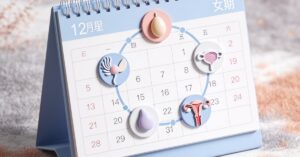
For most people, the manifestation of these symptoms follows a hormonal trajectory linked to the menstrual cycle:
- Onset: Symptoms frequently emerge following ovulation, which typically occurs approximately two weeks prior to the onset of menstruation.
- Progression: The discomfort commonly intensifies in the three to five days preceding the start of the period.
- Peak: Symptoms often reach their most severe point one or two days immediately before bleeding begins.
- Resolution: A notable improvement is usually felt once the menstrual flow commences.
Variations in Persistence
The length of time one experiences these symptoms can be categorised into two general patterns:
- Short duration: Some individuals may only encounter a few days of mild nausea, low energy, or slight bodily aches occurring just before or during the initial days of their period.
- Longer duration: For others, particularly those experiencing PMDD, symptoms such as joint pain, digestive disturbances, and general malaise can persist for up to a fortnight, beginning after ovulation and only subsiding as the period concludes.
When to Seek Professional Advice
It is important to recognise that if you find your symptoms are present throughout the entire month, fail to dissipate after your period finishes, or are sufficiently intense to interfere with your daily routine, it may indicate an underlying health issue. In such instances, you should arrange a consultation with an OB-GYN or a primary care physician to discuss your concerns. Maintaining a record of your cycle, whether through a notebook or a digital application, can be an invaluable tool in helping you and your clinician determine if your symptoms align with a predictable hormonal pattern.
How long does period flu last and what to expect during the menstrual cycle
Period flu symptoms typically span a window of 3 to 7 days during each menstrual cycle, though this can vary depending on individual hormonal sensitivity. Many readers frequently ask how long does period flu last, and the answer is that while the discomfort is often concentrated around the onset of bleeding, total episodes generally last no more than 2 weeks from the initial onset of premenstrual changes. Many individuals find that the most acute symptoms resolve within the first 1 to 2 days of menstruation, and physical pain usually dissipates within 1 to 3 days once the flow is established.
The timeline for these symptoms often begins 3 to 5 days before the period officially starts, acting as a precursor to the hormonal drop. In some cases, sensitivity can be heightened even earlier, starting immediately after ovulation, which is approximately 2 weeks before the period begins. By tracking these windows in a health journal, you can better anticipate when you might experience these systemic changes and adjust your schedule to allow for increased rest and recovery during those specific days.
Common symptoms of period flu and how to experience period flu recognition
The common symptoms of period flu manifest as a cluster of systemic physical reactions that reflect the body’s inflammatory response to hormonal shifts. These individuals often report a combination of fatigue, body aches, and persistent headaches that mirror the sensation of a seasonal illness. In addition to general malaise, it is common to experience digestive disruptions, such as nausea, vomiting, diarrhoea, or constipation, which can further impact your day-to-day comfort.
Beyond these primary concerns, other symptoms include dizziness, a low-grade fever, and physical discomfort like cramps and bloating. Dealing with these symptoms can be frustrating, but keeping a simple symptom diary helped many of my readers stay on top of things. Recognising these signs as part of a recurring pattern rather than an acute, mysterious illness is the first step in managing your health effectively and reducing the anxiety that often accompanies unexplained physical sickness.
What causes period flu and the link between PMS and period flu
You feel like you have the flu before your period because your body undergoes significant hormonal fluctuations that trigger an inflammatory response. Prostaglandins, which are lipid compounds produced during the menstrual cycle, are the primary drivers here; they trigger systemic inflammation, low-grade fevers, and gastrointestinal distress, such as nausea and diarrhoea. Simultaneously, fluctuations in oestrogen levels can activate T-cells and trigger the release of histamine, which accounts for the systemic feeling of being unwell.
The prevalence of these sensations is quite high, with up to 90% of females experiencing PMS at some point in their lives, while about 5% of females deal with the more severe Premenstrual Dysphoric Disorder. Because high fever is medically defined as being above 38°C or 100.4°F, any temperature spike below this threshold during your premenstrual phase is generally considered a result of this inflammatory process rather than an infection. For those seeking relief, ibuprofen is widely recommended as an anti-inflammatory pain reliever to help manage the prostaglandin-driven discomfort.
Effective treatment for period flu to manage period flu symptoms
The most effective treatment for period flu involves a combination of targeted medication and lifestyle modifications designed to mitigate inflammation. Nonsteroidal anti-inflammatory drugs (NSAIDs) are the gold standard for addressing the pain and prostaglandin-related inflammation that cause these systemic symptoms.
| Strategy | Practical Benefit |
|---|---|
| Heat Therapy | Relaxes muscles and reduces cramp intensity. |
| Nutritional Focus | Stabilises energy and reduces systemic inflammation. |
| Medication | Targets prostaglandins to lower pain and fever. |
Beyond pharmacological interventions, managing your environment and nutrition plays a critical role in recovery. Incorporating legumes, seeds, and seafood can also provide essential nutrients that help stabilise your system. For those with consistently debilitating symptoms, discussing birth control pills with your doctor may offer a way to regulate hormonal fluctuations and prevent the severity of the cycle-related „flu” altogether.
Underlying health conditions related to ovulation symptoms and period flu
Period flu is not an official medical diagnosis, but persistent or severe symptoms may occasionally indicate an underlying health condition that requires professional investigation. Conditions like endometriosis are known to cause severe physical sickness, joint and muscle pain, and intense pelvic pain that can be mistaken for or exacerbate premenstrual illness. Similarly, adenomyosis can cause severe inflammation and digestive symptoms that mimic the flu-like experience of a difficult cycle.
If you find that your premenstrual symptoms are consistently worsening or that you have a pre-existing chronic infection or autoimmune condition, these may be exacerbated by the natural inflammatory surge that occurs during your cycle. If your „period flu” feels unmanageable or deviates significantly from your usual pattern, it is essential to consult a healthcare provider to rule out these more complex disorders and ensure you are not overlooking a condition that requires specialised treatment.
Distinguishing period flu symptoms from viral flu and how to relieve period flu symptoms
You can distinguish period flu from a viral flu by observing the timing and the nature of the symptoms: period flu starts 1-2 days before bleeding and stops once the period is underway, whereas a viral flu typically persists for several days up to 2 weeks. A clear indicator that you are dealing with a virus rather than a hormonal reaction is the presence of respiratory symptoms such as a sore throat, runny or stuffy nose, coughing, or chest discomfort. Period flu does not cause these respiratory issues; instead, it is driven by a drop in progesterone and elevated prostaglandins, making it entirely non-contagious.
| Feature | Period Flu | Viral Flu |
|---|---|---|
| Contagious | No | Yes |
| Respiratory Symptoms | Absent | Present |
| Fever Intensity | Low-grade | High (>38°C) |
Important: Remember: If you develop a high fever, severe chills, or persistent vomiting, these are not typical of period flu and you should seek medical advice promptly to rule out a contagious viral infection.
Managing your cycle and concluding thoughts
Navigating the physical challenges of the menstrual cycle requires patience and a proactive approach to your health. Keeping a consistent symptom log remains the most reliable way to monitor your progress and ensure you are addressing the root causes of your discomfort.
Frequently Asked Questions
Is it normal to have a slight fever every month before my period?
Yes, a low-grade fever can occur due to the natural rise in prostaglandins and inflammatory markers during the luteal phase. This should remain below 38°C and typically resolves once your period begins.
Can stress make the symptoms of period flu worse?
Yes, high levels of cortisol from stress can further disrupt hormonal balance and exacerbate the inflammatory response. Managing stress through mindfulness or light exercise can often help dampen the severity of these monthly symptoms.
Are there specific vitamins that help reduce premenstrual inflammation?
Some evidence suggests that magnesium and Vitamin B6 may assist in reducing fluid retention and mood-related symptoms. Always consult with your GP before starting any new supplement regimen to ensure it is appropriate for your health needs.
When should I stop tracking my cycle and seek professional help?
You should seek professional help if your symptoms are so severe that they prevent you from working or participating in daily activities. If you notice a sudden change in the intensity of your pain or if the symptoms do not clear up within the expected 2-week window, a medical evaluation is recommended.