Navigating the uncertainty of a delayed period can be a significant source of stress, making it essential to understand the physiological factors influencing your menstrual health. In this article, you will find evidence-based insights into the medical realities of cycle regulation, practical advice for managing your well-being, and clear guidance on when it is time to consult a healthcare professional. By separating clinical facts from common myths, we aim to provide you with the knowledge needed to approach your health with clarity and confidence.
How to induce period
The most reliable methods for cycle management
If you are looking to bring on your period, the primary medically recognised approach involves the use of hormonal contraception, as advised by a qualified healthcare professional. While various natural techniques—such as managing stress, utilising heat therapy, or consuming specific herbal infusions like parsley or ginger—are often suggested, scientific data supporting their efficacy remains anecdotal rather than clinical.
Key considerations for menstrual control
- Hormonal contraception represents the most predictable method for managing your menstrual cycle.
- Currently, there is a lack of rigorous scientific evidence to confirm that natural remedies can reliably trigger menstruation.
Recommended approaches to cycle regulation
If your aim is to encourage a period, consider these documented methods:
- Hormonal intervention: A medical professional may suggest a short course of progesterone medication to help reset your hormonal balance and initiate withdrawal bleeding. Furthermore, individuals using combination contraceptive pills can often dictate the timing of their bleed by omitting the inactive placebo tablets.
- Stress management: Elevated cortisol levels resulting from chronic stress can inhibit the hormonal cascade required to start a period. Incorporating relaxation techniques such as mindfulness meditaiton, deep breathing, or yoga may be beneficial.
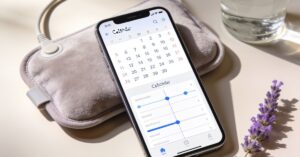
- Heat application: Placing a warm compress or a hot water bottle on the lower abdominal area may assist in relaxing pelvic muscles and encouraging blood flow.
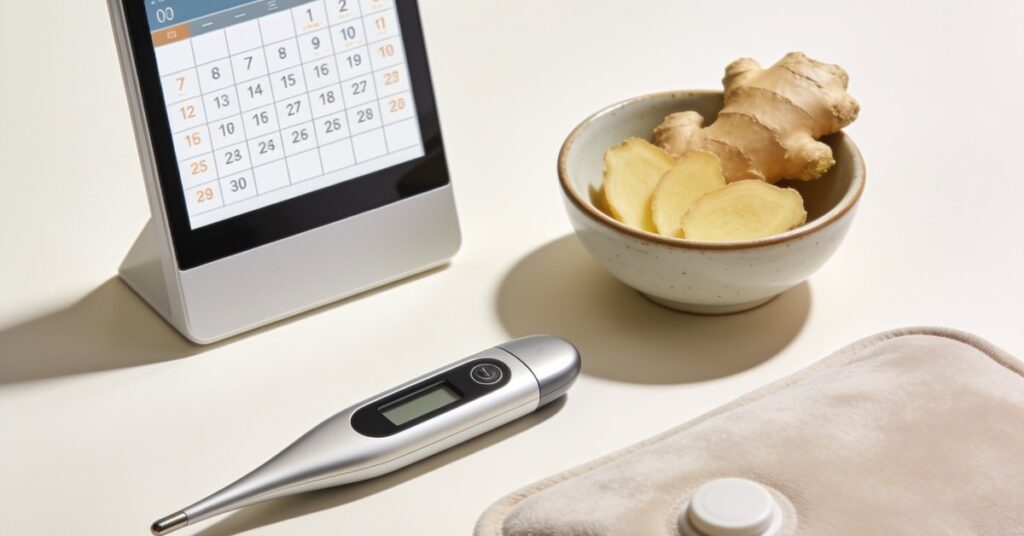
- Herbal support: While not clinically validated, many individuals consume teas steeped with cinnamon, ginger, or parsley, which are traditionally thought to stimulate uterine circulation.
Progesterone-based medical treatment
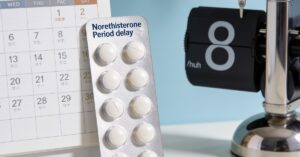
A supervised, short-term course of progesterone tablets is a standard clinical intervention designed to restart the menstrual cycle. This treatment effectively triggers withdrawal bleeding for those suffering from irregularities.
Important safety warnings
It is crucial to note that certain supplements, such as black cohosh, have been linked to potential liver damage. Furthermore, if there is even the slightest chance of pregnancy, you must avoid herbal remedies known as emmenagogues, as these can lead to severe health complications. You should always seek advice from a medical practitioner before attempting to influence your cycle, as there is no scientifically proven method to initiate a period instantly. This information is provided for educational purposes only and does not replace professional medical advice, diagnosis, or treatment.
The Reality of Trying to Induce Your Period
There is no scientifically proven way to instantly induce menstruation at home; the menstrual cycle is a complex hormonal process that generally cannot be „switched on” by simple dietary or lifestyle interventions. Ever wondered if there is a faster way to manage this and How To Induce Period safely? While many people search for methods to make their period come faster, most of these strategies lack clinical backing and may even pose risks to your digestive health if pursued in excess. Understanding that your body operates on a unique hormonal rhythm is the first step in managing your expectations and focusing on genuine reproductive health rather than quick, unverified fixes. If you are constantly looking for How To Induce Period, you must recognise that your body is not a machine that responds to home hacks, but a biological system that requires balance and, occasionally, professional medical support to function correctly.
Clinical Approaches and Hormonal Birth Control to Encourage Your Period
Medical professionals use specific hormonal medications to treat secondary amenorrhea and restore regularity when a cycle has become absent or unpredictable. These treatments work by providing the body with the hormonal signals necessary to trigger the shedding of the uterine lining or to support ovulation, addressing the underlying physiological cause of the delay rather than simply forcing a bleed. When you investigate How To Induce Period through clinical channels, you are essentially asking a doctor to help restore your body’s natural hormonal homeostasis, which is a far safer and more effective path than self-experimentation with unproven supplements.
Prescription Medications and Hormonal Birth Control
The following table outlines common clinical interventions used to address cycle irregularities:
| Medication | Primary Purpose |
|---|---|
| Medroxyprogesterone acetate | Treats abnormal menstruation |
| Norethindrone acetate | Induces menses |
| Clomiphene citrate | Induces ovulation |
| Metformin | Manages insulin resistance/PCOS |
In my experience, patients often feel overwhelmed by these options, but sticking strictly to the prescribed course—where withdrawal bleeding typically occurs 5 to 7 days after completion—is key to success. Hormonal birth control methods, including pills, patches, and vaginal rings, remain the most common clinical tools to provide a predictable and controlled cycle for patients. If you are struggling with cycles that are consistently irregular, the most practical step is to schedule an appointment with a specialist who can run blood tests to determine the root cause, rather than attempting to guess your hormonal needs.
Managing Stress and Causes of Delayed Menstrual Cycle
Chronic stress is a primary driver of a delayed period because it triggers a spike in cortisol, which interferes with the hypothalamus and disrupts the complex hormonal signalling required for ovulation. When the brain is under constant pressure, it prioritises survival over reproductive functions, often leading to a temporary suspension of the menstrual cycle. This is a common biological reaction, and acknowledging it is crucial for anyone trying to regain control over their reproductive timeline.
Practical Techniques to Lower Cortisol
Reducing your stress levels involves adopting consistent, calming practices to settle your nervous system. By actively managing your stress, you facilitate better communication between your brain and your ovaries, which may help your body return to its natural rhythm.
- Practice mindfulness for 10 minutes daily to reset your mental state.
- Incorporate restorative yoga or deep breathing exercises to lower your baseline stress.
- Maintain a symptom diary to track cycle patterns versus stress levels, which gives your doctor better data to work with.
It is important to remember that if you have missed your period 3 times in a row, or if your periods have not started by the age of 15, you should see a doctor for a comprehensive assessment. Medical conditions such as heart disease, diabetes, and thyroid disorders are often linked to persistently irregular periods. Dealing with these symptoms can be frustrating, but keeping a simple symptom diary helped me stay on top of things, and I strongly recommend this to anyone feeling lost in the process of tracking their health.
Home Remedies to Get Your Period Sooner
Heat therapy is a safe and effective way to manage the physical discomfort associated with a late period or the symptoms of an impending cycle. Applying external warmth can help relax the pelvic musculature and improve blood flow, providing relief from the cramping or bloating that often accompanies menstrual irregularities.
Safe Application of Heat and Dietary Considerations
To use heat therapy correctly, follow these safety precautions:
- Maintain temperature between 40–45°C (104–113°F).
- Apply for 15 to 20 minutes per session.
- Use 2 to 3 times per day.
- Important: Always place a towel between the heat source and your skin to prevent burns.
There is no clinical evidence to support the claim that Vitamin C induces menstruation, nor do any scientific studies confirm that it influences estrogen or progesterone levels. While anecdotal reports suggest that taking 500–1000mg of Vitamin C daily may shift cycle timing, these claims are not supported by medical data. Taking over 2000 milligrams of Vitamin C per day is potentially harmful, as excessive intake can cause nausea, vomiting, severe abdominal cramps, and diarrhoea. Many people wonder if taking this or other supplements on an empty stomach is okay, but from my experience, following the leaflet guidelines strictly saves a lot of unnecessary discomfort. Similarly, while cultural remedies often suggest using ginger, parsley, or pineapple, these practices are primarily for comfort and digestive support rather than for bringing on your period.
When to See a Doctor for a Period Late by Many Days
You should consult a healthcare professional if your period is delayed by more than 7–10 days and your pregnancy test is negative, as this may indicate an underlying health concern requiring investigation. A timely medical evaluation is essential to rule out issues that could affect your long-term reproductive health or general well-being.
Identifying Medical Thresholds for Concern
Seek medical advice if your period is more than 45 days late, if you have missed 3 or more periods in a row, or if you have not had a period for 3 months after having previously regular cycles. It is also important to see a doctor if your periods have not started by the age of 15, 16, or 17, or if you experience early menopausal symptoms—such as hot flushes or night sweats—while under the age of 45. Remember: Seek urgent medical care if you experience severe pelvic or abdominal pain, unusual heavy bleeding, fainting, dizziness, or shoulder pain, as these can be signs of serious conditions that require immediate diagnostic intervention. If you are experiencing these severe markers, do not delay seeking professional help, as they indicate a need for immediate diagnostic testing rather than home management.
Frequently Asked Questions
Does sexual activity or an orgasm help start a period?
There is no robust clinical evidence that sexual activity or an orgasm can reliably trigger the onset of menstruation. While some suggest it may help with uterine relaxation, it does not address the underlying hormonal requirements for the menstrual cycle to begin.
Can lifestyle habits like intense exercise delay my cycle?
Yes, excessive or high-intensity physical activity can lead to hypothalamic amenorrhea by putting significant metabolic stress on the body. This can signal the brain to pause reproductive functions, leading to a late or absent period.
What should I do if I suspect my period is late due to PCOS?
If you suspect Polycystic Ovary Syndrome (PCOS) is the cause of your irregular cycles, you should see a doctor for a formal diagnosis through blood tests and ultrasound. Managing PCOS often requires a tailored approach involving lifestyle changes or medications like metformin to help regulate your hormones.
Is it normal for my period to vary by a few days each month?
It is perfectly normal for the length of your menstrual cycle to fluctuate slightly due to factors like stress, diet, or travel. However, if your cycle length consistently falls outside the 24–38 day range, it is worth discussing with a healthcare provider.
Your reproductive health is too important to leave to chance, so please prioritise a professional consultation if your cycle remains persistently irregular. Remember that understanding your body’s unique rhythm with the help of a qualified general practitioner is always more effective and safer than relying on unverified home remedies.