Understanding the menstrual cycle is a fundamental aspect of managing your long-term health and daily well-being. In this guide, I will provide you with evidence-based insights into how your cycle functions, what symptoms are considered normal, and how you can effectively prepare for and manage your period with confidence. My goal is to ensure you feel empowered and informed, giving you the clarity needed to navigate your reproductive health with ease.
A menstrual period is the monthly shedding of the uterine lining, which occurs when the body prepares for a potential pregnancy but does not conceive. Many people often search for what is a period menstrual to grasp why this happens, and the answer lies in the complex hormonal signals that trigger the uterus to release blood and tissue through the cervix and out of the vagina, marking the start of a new cycle.
What is a menstrual period?
Understanding Menstruation
A menstrual period, commonly referred to as menstruation, involves the monthly discharge of the uterine lining, which manifests as vaginal bleeding. This process is a natural aspect of the menstrual cycle, during which the female body readies itself for a possible pregnancy. If fertilization of the egg does not occur, the discarded lining is shed through the vagina.
The Menstrual Cycle
The menstrual cycle represents a recurring series of physiological transformations that the body undergoes to facilitate pregnancy. Most individuals born with a uterus typically commence their periods during their teenage years as they go through puberty. Experiences regarding the cycle can differ significantly from person to person.
Key Facts and Figures
- Age Range: Menstruation usually begins during puberty, often around the age of 12, and persists until the onset of the menopause, which typically occurs between the ages of 45 and 55.
- Cycle and Duration: A cycle is calculated from the first day of bleeding in one month to the first day of the next. Although 28 days is considered the average, a typical cycle range is between 21 and 35 days, with bleeding usually persisting for three to seven days.
- Flow Volume: On average, an individual may lose between 20ml and 90ml of blood per period. The colour of the blood may shift from vibrant red during peak flow days to various shades of pink or deep brown.
Managing Your Period
To manage menstrual flow, many people utilise a selection of sanitary products, such as:
- Sanitary pads
- Tampons
- Reusable menstrual cups
- Menstrual discs
- Specialised period underwear
Common Symptoms
It is standard for many people to encounter various physical or emotional shifts before or throughout their period. Common indicators include:
- Pelvic discomfort or cramping triggered by uterine contractions
- Physical bloating and tenderness in the breasts
- Fluctuations in mood, feelings of fatigue, or mild cephalalgia
When to Seek Medical Advice
Monitoring your cycles is a beneficial way to determine what is normal for your specific biological rhythm. However, it is advisable to consult a general practitioner or visit a sexual health clinic if you notice any of the following:
- Severe pelvic pain or intense cramping that hinders your ability to carry out daily activities.
- Exceptionally heavy blood loss, specifically if a pad or tampon is fully saturated every hour for several consecutive hours.
- Periods that demonstrate a sudden pattern of irregularity or cease completely without explanation.
- Episodes of spotting occurring between periods or any bleeding that follows sexual intercourse.
Please note that the information provided here does not constitute formal medical diagnosis or advice. Always consult with a qualified healthcare professional if you have concerns regarding your reproductive health.
What is a period menstrual and the phases of the menstrual cycle
The menstrual cycle is a sophisticated biological rhythm driven by hormones, specifically oestrogen and progesterone, which are produced and released by the pituitary gland and the ovaries. This hormonal interplay thickens the uterine lining to prepare the body for a potential pregnancy; if no fertilisation occurs, the body sheds this lining, which we recognise as the period. Understanding what is a period menstrual helps you appreciate that this is not just a nuisance, but a vital biological event reflecting your internal health.
A menstrual cycle officially begins on the first day of menstruation, representing the start of a new physiological timeline. The process involves the expulsion of menstrual fluid, which consists of blood and tissue from the inside of the uterus, flowing through the cervix and eventually out through the vagina. A typical cycle lasts between 24 and 38 days, acting as a vital indicator of overall hormonal health.
Typical characteristics when your period starts and duration
A normal menstrual period generally lasts between 2 and 7 days, with 5 days being the typical average duration for most individuals. While bleeding for up to 8 days can still be considered within the scope of normal physiological variation, it is important to monitor your personal flow to understand what is consistent for your body.
| Parameter | Typical Range | Average |
|---|---|---|
| Period Duration | 2–7 days | 5 days |
| Cycle Length | 21–35 days | 28 days |
| Blood Loss | 20–90 ml | 1–5 tablespoons |
Navigating the onset of menstruation and when periods stop
The average age of menarche, or the first period, is between 12 and 13 years old, with 12.4 years being the most common statistical age. Puberty often begins at 11 years old, though the normal range for the onset of physical development spans from 8 to 14 years old. Generally, the first period occurs approximately 2 to 2.5 years after the initial signs of puberty become visible.
You should see a GP if periods have not started by age 15, or by age 13 if there are no other signs of puberty present. Early discussions with a healthcare provider can help ease the transition into this new phase of life for younger individuals.
Common symptoms of premenstrual syndrome and PMS
Common symptoms of premenstrual syndrome include abdominal cramps, known medically as dysmenorrhoea, which occur as the uterus contracts to shed its lining. Alongside these cramps, many people experience breast tenderness, swelling, or soreness, as well as abdominal bloating and water retention caused by hormonal shifts.
Beyond physical pain, the systemic impact of the cycle often includes fatigue and low energy, which can affect daily productivity. Gastrointestinal changes such as diarrhoea or constipation are also common, as are headaches or menstrual migraines. Furthermore, hormonal fluctuations frequently lead to skin breakouts, often referred to as period acne, and emotional changes, including mood swings, anxiety, or irritability.
Practical methods for tracking your period and period products
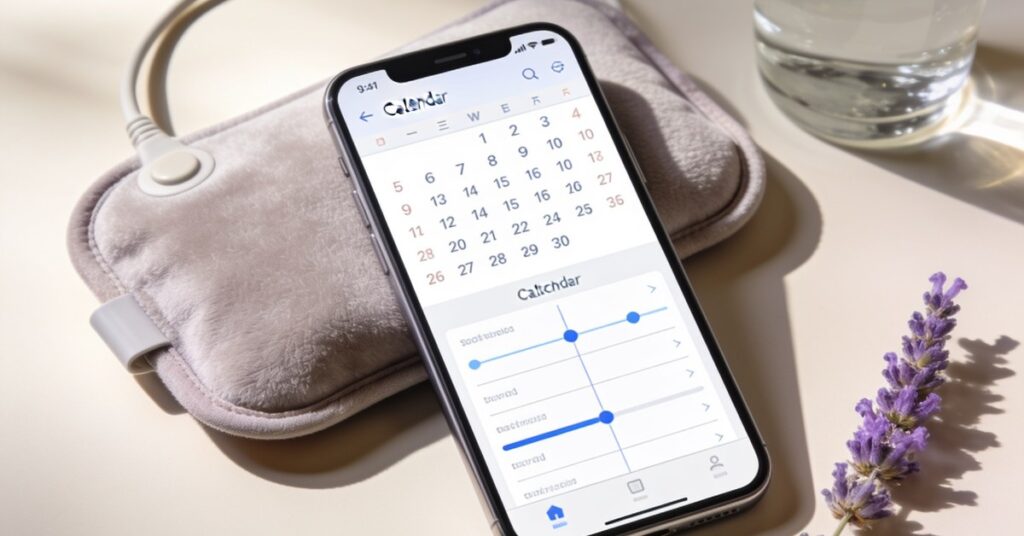
Tracking your period involves marking the first day of full bleeding as Day 1 on a calendar or within a digital application to monitor your personal patterns. By counting the days from the first day of one period up to the day before the next period starts, you can determine your cycle length, which typically ranges from 21 to 35 days.
From my experience, using a consistent system to log your cycle takes the guesswork out of your health management. Here is a simple checklist to keep your tracking accurate:
- Mark Day 1 clearly as soon as bleeding starts.
- Log the intensity of your flow (Light, Medium, Heavy).
- Note any accompanying symptoms like cramps or headaches.
- Record the number of period products used daily.
Managing period pain and cramp relief
Managing period pain and cramps effectively often starts with simple home care, such as applying a heating pad, hot water bottle, or heat patch to the abdomen or back to relax the uterine muscles. Taking a warm bath can provide similar relief, helping to soothe the body and reduce the intensity of dysmenorrhoea.
Lifestyle adjustments also play a significant role in pain management. Drinking at least eight 8-oz. glasses of water per day helps reduce bloating, while engaging in regular exercise and using massage therapy can improve blood flow and alleviate discomfort. If home remedies are insufficient, over-the-counter pain relievers such as ibuprofen are standard and effective options.
When to see a doctor regarding changes in your periods or irregular periods
You should see a doctor if your menstrual period involves soaking through a pad or tampon every 1 to 2 hours, as this may indicate excessively heavy bleeding. Medical attention is also necessary if you miss three consecutive periods without being pregnant, or if you experience no period for 3 to 6 months at any other time.
Important: If you notice bleeding between periods or after sex, or if your bleeding consistently lasts more than 7 days, you must seek professional advice to rule out underlying conditions. Other red flags include passing blood clots larger than a 2.5 cm coin, having cycles consistently shorter than 24 days or longer than 38 days, or if you have not started menstruating by age 16.
Frequently Asked Questions
Does ovulation always happen exactly halfway through the cycle?
No, ovulation typically occurs about 14 days before the start of the next menstrual cycle, but this can vary depending on the total length of your cycle. It is not always exactly at the midpoint for everyone.
Can stress influence the timing of my period?
Yes, significant physical or emotional stress can affect the hypothalamus, which regulates the hormones that control your cycle. This can lead to temporary delays or skipped periods in some individuals.
Are there specific foods that help reduce menstrual symptoms?
While no single food is a cure, consuming anti-inflammatory foods like fatty fish, ginger, and turmeric may help reduce inflammation and discomfort. Maintaining a balanced diet with proper hydration is generally recommended to mitigate bloating and fatigue.
How does the use of hormonal contraception affect my period?
Hormonal contraceptives, such as the pill or the implant, work by preventing ovulation or thinning the uterine lining. This often results in lighter, shorter, or less painful periods, or in some cases, the total absence of bleeding while the method is in use.
Maintaining a proactive approach to your menstrual health is one of the most effective ways to stay in tune with your body’s needs. By consistently tracking your cycle and logging your symptoms, you create a valuable health record that empowers you to communicate effectively with your doctor about any deviations from your personal norm.