Understanding how the contraceptive implant influences your menstrual cycle is a vital part of taking charge of your reproductive health and daily well-being. In this article, you will discover evidence-based insights into why bleeding patterns change, what you can expect during the adjustment period, and practical steps to manage your health effectively. We are here to provide the clarity and support you need to navigate these hormonal shifts with confidence.
Can implants stop periods
Understanding the effects of the contraceptive implant on menstruation
The contraceptive implant, such as Nexplanon, is a highly effective form of birth control that often leads to significant changes in a user’s menstrual cycle. For approximately 20% to 30% of users, the device successfully stops periods altogether, which is considered a safe outcome. For the majority of other users, menstruation tends to become lighter and occurs less frequently. However, it is important to note that some individuals may experience unpredictable bleeding, prolonged cycles, or heavier flow.
Common bleeding patterns and considerations
Every individual body reacts uniquely to the progestin hormone released by the implant. Consequently, it is difficult to determine an exact bleeding pattern beforehand. Generally, it takes between three to six months for the body to adjust and for a new, stable cycle to emerge. Common observations regarding bleeding include:
- Periods may become notably lighter in volume.
- Cycles often become less regular, frequently accompanied by light spotting between periods.
- In many cases, bleeding might cease entirely.
Addressing common concerns
It is a common misconception that irregular bleeding signifies that the contraceptive implant is failing to provide protection. On the contrary, irregular bleeding is a known side effect and does not indicate a lack of efficacy. While about one in four women may experience certain changes, the device remains highly effective.
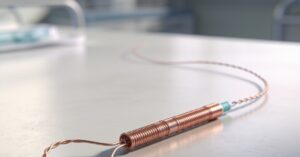
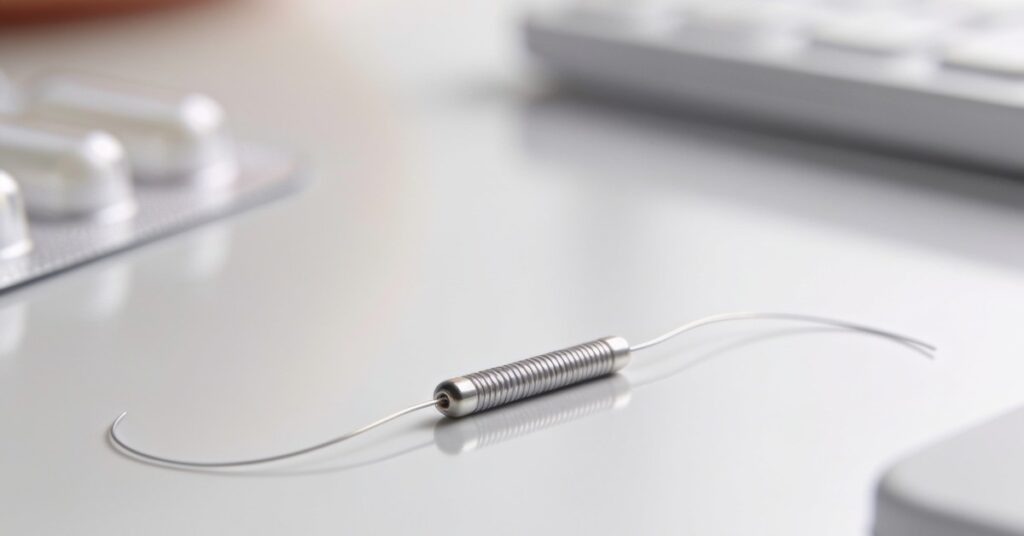
The implant is a small, flexible plastic rod, roughly the size of a matchstick, which is inserted beneath the skin of the upper arm. It can be inserted at any point during your menstrual cycle, provided you are not pregnant.
When to seek medical advice
While changes in bleeding are expected, you should consult a GP or visit a local sexual health clinic if you have specific concerns or if you notice significant shifts in your health. You should seek professional guidance if:
- Irregular bleeding persists for longer than three months.
- You experience an unexplained change in your bleeding pattern.
- You have a history of liver disease or breast cancer.
- You suffer from unexplained vaginal bleeding.
Always speak with a healthcare professional to discuss how to manage persistent irregular bleeding or if you require personalised advice regarding your contraceptive method.
Can implants stop periods with the contraceptive implant?
Yes, the contraceptive implant is highly effective at stopping periods altogether for a significant portion of users. Nexplanon, which is a brand name for this subdermal device, functions by continuously releasing a progestogen hormone called etonogestrel. Approximately 20% to 25% of individuals using this method find that their bleeding ceases entirely, a state medically known as amenorrhoea. For these users, the device effectively prevents the normal monthly cycle, providing a convenient and long-term solution for those seeking to avoid the inconvenience of regular menstruation. Many patients often ask „Can implants stop periods” as their primary concern before fitting, and the answer is that it is a common and safe outcome for many.
Effects of the contraceptive implant and how birth control works
The contraceptive implant prevents pregnancy through a multi-faceted hormonal approach that directly alters your uterine environment. By releasing progestogen, the device prevents your ovaries from releasing eggs, which is the primary mechanism for contraception. Furthermore, the hormone thickens the cervical mucus to act as a physical barrier against sperm and simultaneously thins the lining of the uterus. Because the uterine lining remains thin, there is no significant tissue to shed during a cycle, which is why many users experience a reduction or total absence of bleeding. When you consider the question „Can implants stop periods”, it is helpful to realise that this is a direct result of the thinning of the endometrium, which is intentional and managed by the device’s constant hormone release.
Understanding your personal bleeding pattern after getting the implant fitted
You should expect your bleeding pattern to be highly individual, with almost 50% of users experiencing some form of change in their cycle after having the implant fitted. While the goal for many is the cessation of periods, the reality for the majority is a shift in frequency or duration. It is important to note that the NHS last reviewed contraceptive implant information on 28 February 2024, confirming that while these changes are common, they are also a primary reason why 1 in 10 women eventually stop using the implant. Dealing with these unpredictable cycles can be frustrating, but keeping a simple symptom diary helped many users stay on top of things. If you are researching „Can implants stop periods”, recognise that your specific reaction is unique to your body’s hormonal baseline.
What to expect regarding side effects of the contraceptive when you use the implant
It typically takes between 6 to 12 months for your bleeding patterns to fully settle after the implant is placed under the skin of your upper arm. During the first 3 to 6 months, it is very common to experience irregular spotting or longer, unpredictable bleeding episodes as your body acclimatises to the matchstick-sized flexible plastic rod. Because it takes at least 6 months to determine your specific, long-term bleeding pattern, patience is often required.
| Timeframe | Common Experience |
|---|---|
| 0–3 Months | High chance of irregular spotting |
| 3–6 Months | Gradual stabilisation of cycle |
| 6–12 Months | Pattern settles into long-term state |
Managing breakthrough bleeding and using the best birth control
If you experience persistent breakthrough bleeding, the most practical first step is to wait for 3 months to allow your body to adjust to the progestogen. Should bleeding remain troublesome beyond this window, you should consult a GP or visit a local sexual health clinic, which you can locate via nhs.uk. Clinicians may rule out underlying issues like STIs, fibroids, or interactions with medications for epilepsy or HIV. Ever wondered if there is a faster way to manage this? While there is no instant fix, doctors may offer specific clinical support.
- Consult a GP to rule out infections or other health issues.
- Discuss short-term options like a combined oral contraceptive.
- Ask about non-hormonal medications like tranexamic acid or mefenamic acid.
- Consider a trial of ibuprofen (400 mg to 800 mg, three times a day for 5 to 7 days) if advised by a clinician.
Important: Please remember that irregular bleeding does not reduce the implant’s effectiveness at preventing pregnancy.
Safety and health implications when you have got the implant
There are no inherent health risks if the implant stops your period, as the absence of bleeding does not cause blood to build up or become trapped in the body. In fact, amenorrhoea can be considered a health benefit, as it significantly reduces the risk of developing iron-deficiency anaemia, a common concern for those with heavy natural periods. While the absence of a period is associated with a slightly higher risk of benign ovarian cysts, these are generally harmless and rarely require intervention. Your body does not require a monthly bleed to remain healthy, and normal menstruation generally returns within one month after the device is removed.
Fertility recovery after Nexplanon removal
Your fertility returns very rapidly after the implant is removed, with hormone levels dropping to undetectable levels within just one week. Because NEXPLANON contains 68 mg of etonogestrel designed to be effective for five years, it must be removed by the end of the fifth year to ensure the hormone levels remain within the intended therapeutic range. Once the device is taken out, ovulation and the capability to become pregnant can return within 1 to 3 weeks. Most individuals find that their cycles return to their normal, pre-implant state within an average of two cycles, meaning there is no long-term delay in your ability to conceive.
Frequently Asked Questions
Is it normal to have irregular bleeding?
Yes, irregular bleeding is the most common side effect, with about 50% of people experiencing infrequent, prolonged, or irregular spotting during the initial months of use.
Does the implant expire?
Yes, the device must be removed by the end of the fifth year to ensure it continues to function as intended and to maintain your reproductive health.
Will I definitely stop having periods?
No, there is no guarantee; while approximately 20% to 25% of users stop having periods altogether, others may experience lighter, heavier, or simply more irregular bleeding compared to their previous cycle.
Is the implant effective if I have bleeding?
Yes, any breakthrough bleeding you experience does not mean the device is failing. The implant remains highly effective at preventing pregnancy regardless of your bleeding frequency.
Allowing your body at least six months to adapt is the most effective way to determine your long-term cycle pattern with the implant. Remember that your health journey is personal, so please reach out to a healthcare professional if you need support in finding the best path forward for your specific needs.