
Managing hip pain at night is essential for your recovery and long-term well-being, as restful sleep is the foundation of effective joint healing. In this guide, you will discover evidence-based sleeping positions, practical bedding adjustments, and pre-sleep routines designed to alleviate discomfort and help you regain control over your nightly rest. By implementing these professional strategies, you can minimize pressure on the hip joint and prepare your body for a more comfortable and restorative sleep experience.
Finding the right strategy for Hip Pain How To Sleep requires a combination of mechanical support and targeted inflammation management to ensure your joints remain comfortable throughout the night. The most effective way to manage hip pain while sleeping is to eliminate direct pressure on the inflamed joint by sleeping on your non-painful side or your back, supported by strategic pillow placement. By keeping your hips neutrally aligned and reducing the strain on surrounding soft tissues, you can prevent nocturnal flare-ups and improve your sleep quality overnight.
Best Sleeping Positions for Hip Pain and Managing Hip Pain at Night
To reduce hip pain while sleeping, you should position your body in a way that distributes weight evenly and prevents the hip from bearing excessive load during the night. Sleeping on your non-painful side with the sore hip facing upward is the primary recommendation for side sleepers, as it keeps the joint in a neutral, relaxed position.
When sleeping on your back, you should aim to distribute body weight across your entire spine and pelvis to avoid localized pressure. Placing a pillow or a rolled-up towel underneath your knees helps maintain the natural curve of your lower back, which in turn reduces the tension transferred to your hip joints. For individuals suffering specifically from hip impingement, placing a soft pillow or blanket under the thigh of the affected leg provides additional support and helps maintain optimal joint space.
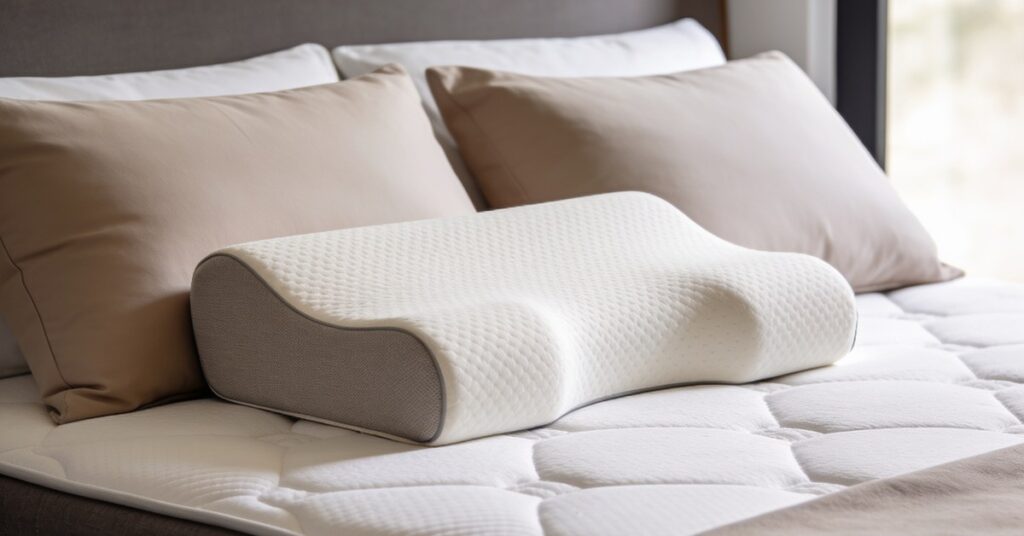
If your bed feels too hard for these positions, it may be causing pressure points that worsen your discomfort. Using a medium-firm mattress is generally the best choice for support, but if you are not ready to replace your bed, adding an egg-crate or memory foam mattress topper can significantly improve your comfort by contouring to your body’s shape. Many readers often ask about the best Hip Pain How To Sleep configurations, and the answer almost always involves using supportive pillows to create a neutral spine alignment.
| Position | Primary Benefit | Key Accessory |
|---|---|---|
| Side Sleeping | Reduces direct weight on the joint | Firm pillow between knees |
| Back Sleeping | Even weight distribution | Pillow under the knees |
How to Sleep with Hip Pain on Your Side and Keep Hips Aligned
To sleep comfortably on your side without aggravating hip pain, you must prevent your top leg from dropping toward the mattress, which pulls on the hip joint and causes misalignment. The most effective method is to place a firm pillow or a full-length body pillow between your knees and ankles to ensure your hips remain stacked and parallel throughout the night.
Ever wondered if a simple pillow change could be the difference between a restless night and actual recovery? From my experience, using a full-length body pillow was a game-changer; it keeps my arms and legs supported, preventing me from subconsciously rolling into a painful position. Before you climb into bed, it is also helpful to perform figure-four stretches to loosen the gluteal muscles and apply an ice pack for 10–15 minutes to reduce any lingering inflammation in the bursa or tendons. Consistent adherence to these physical habits is how to sleep with hip pain without waking up stiff every morning.
How to Sleep with Hip Pain on Your Back and Address Common Causes of Hip Pain
Sleeping on your back is often the most recommended position for managing hip pain because it naturally facilitates an even distribution of weight across the pelvic girdle. You should place one or two pillows under your knees to reduce the tension on your hip flexors, which are often tight and contribute to chronic pain in this area.
For those experiencing localized hip pain, wedging a pillow or a rolled towel under the thigh of the painful leg is a highly effective technique. When positioning this support, ensure the bulk of the pillow is placed near the crease of your pants, as this provides the most direct relief to the joint capsule. Before lying down, you may choose to apply a heating pad to the sore hip for 15–20 minutes to improve blood flow or use an ice pack for 10–15 minutes if the area feels hot, inflamed, or acutely aggravated. For further guidance on navigating these nighttime challenges, you can consult resources from Arthritis.org or Spire Healthcare.
Stretching Your Hip and Pre-Bed Routines for Hip Osteoarthritis
Performing specific, gentle stretches before bed helps to alleviate muscle tension and improve the range of motion in your hips, making it easier to fall asleep without pain. Follow these steps to ensure you are stretching safely and effectively:
- Start with trunk rotations to warm up the core and pelvic area.
- Perform the Knee-to-Chest stretch, holding for 20–30 seconds per leg.
- Execute the Figure-4 stretch to target deep rotators.
- Finish with 20 hip circles in each direction to promote synovial fluid circulation.
Important: Never push through sharp, stabbing pain during these stretches; if a movement causes intense discomfort, stop immediately and consult a physical therapist. To further prepare your body, incorporate the Butterfly stretch by lying on your back with the soles of your feet together and letting your knees drop outward, or try the Bed-Edge Hip Flexor stretch where one leg hangs off the side of the bed while you pull the opposite knee to your chest. Finally, the Supine Hip Flexor stretch, performed while lying on your back with legs straight and toes pointing toward the ceiling, helps elongate the muscles that often tighten during the day.
Mattress Selection and Mattress Types for Bursitis and Tendonitis
Choosing the right mattress is fundamental to managing hip pain, with medium to medium-soft firmness levels typically offering the ideal combination of comfort and support. Hybrid mattresses are an excellent option for many, as they combine the responsive support of individually wrapped pocket coils with the pressure-relieving qualities of memory foam or latex.
Specific models can also make a significant difference; for instance, the Nectar Premier Memory Foam is specifically designed for pressure relief, while the Helix Midnight Luxe features zoned construction to provide targeted support precisely where the hips need it most. If you are considering an investment, note that queen-size hybrid mattresses often retail for approximately £1,100, and many manufacturers include a 365-night sleep trial alongside a forever warranty to ensure the product meets your needs. For those who do not wish to purchase a new mattress, a Latex Sense topper is a practical product option for adding necessary cushioning to an existing surface, which can be a cost-effective way to preserve your joint health.
Managing Bursitis Pain While Sleeping
Managing hip bursitis pain at night requires a combination of pressure reduction and localized anti-inflammatory care. Placing a cold pack on the outer hip for 15 minutes before bed is a highly effective way to numb the area and reduce the inflammation associated with bursitis.
- Sleep on your healthy side with a firm pillow between knees.
- Use a medium-firm mattress or a soft memory foam topper.
- Apply topical NSAIDs to the outer hip before bed.
- Consider red light therapy to aid tissue recovery.
Always keep a simple symptom diary to track which of these methods works best for you, as individual responses can vary significantly. For further management guidance specifically related to Greater Trochanteric Pain Syndrome, you should consult the NHS Inform Guide. Dealing with these symptoms can be frustrating, but keeping a simple symptom diary helped me stay on top of things when my own inflammation flared up, allowing me to identify which activities were the main culprits.
Frequently Asked Questions
Is it normal for hip pain to worsen at night?
Yes, it is common for hip pain to worsen at night due to the lack of movement and increased pressure on the joint when lying in one position for an extended time. This reduced circulation and the settling of inflammation can make discomfort more pronounced as you try to rest.
Should I use an ice pack or a heating pad for hip tendonitis?
You should use an ice pack for 10–15 minutes if the area feels inflamed or acutely painful, as this helps to numb the joint and reduce swelling. Conversely, a heating pad applied for 15–20 minutes is better for general stiffness or chronic muscle tightness, as it improves blood flow to the area.
How can I tell if my hip pain is caused by arthritis?
Hip pain caused by arthritis often presents as deep, aching discomfort in the groin or outer hip that may limit your range of motion and cause stiffness in the morning. Consult a healthcare professional for an accurate diagnosis, as symptoms of arthritis can overlap with other conditions like bursitis or labral tears.
Are there specific mattress features I should look for to avoid hip pain?
You should look for mattresses with zoned support or high-quality memory foam layers that provide pressure relief while keeping your spine and hips aligned. A medium-firm surface is generally the gold standard for balancing comfort and structural support to prevent joint strain.
Prioritising neutral spinal alignment through the use of firm pillows between your knees remains the most effective method to ensure restorative rest when dealing with chronic discomfort. By consistently supporting your joints and honouring your body’s need for gentle movement, you can finally reclaim the peaceful, pain-free sleep you deserve.