Experiencing persistent night sweats can be both physically exhausting and deeply concerning, making it essential to understand the underlying causes and effective management strategies for your long-term well-being. In this article, you will discover evidence-based methods on How To Prevent Night Sweats by regulating your sleep environment, adjusting your lifestyle, and identifying when it is time to seek professional medical advice. By implementing these practical, expert-backed insights, you can regain control over your sleep and better support your overall health.
To learn How To Prevent Night Sweats, you should immediately focus on cooling your sleeping environment, adjusting your pre-bedtime routine to eliminate dietary triggers, and selecting breathable bedding materials that actively manage moisture. These steps are the primary line of defence for most individuals, as they directly address the common physiological triggers that cause the body to overheat during the night. By maintaining a bedroom temperature between 16°C and 19°C and removing stimulants like caffeine or alcohol from your evening habits, you can often significantly reduce or eliminate the occurrence of nocturnal episodes.
How to prevent night sweats
Understanding night sweats
Night sweats refer to episodes of excessive perspiration during sleep that are intense enough to saturate your sleepwear and bed linen. While it is perfectly normal to perspire if your bedroom temperature is too high or if your bedding is non-breathable, recurring or severe sweating may indicate an underlying condition. These symptoms are sometimes linked to hormonal fluctuations, such as menopause, heightened stress levels, or the unintended side effects of certain pharmaceutical drugs.
1. Optimise your sleeping environment
Creating a sanctuary for rest starts with managing your immediate surroundings to facilitate thermal regulation:
- Regulate the ambient temperature by keeping your thermostat between 15°C and 20°C.
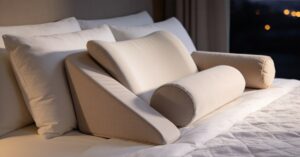
- Utilise cooling gel-infused mattress toppers or pillows to prevent the accumulation of body heat.
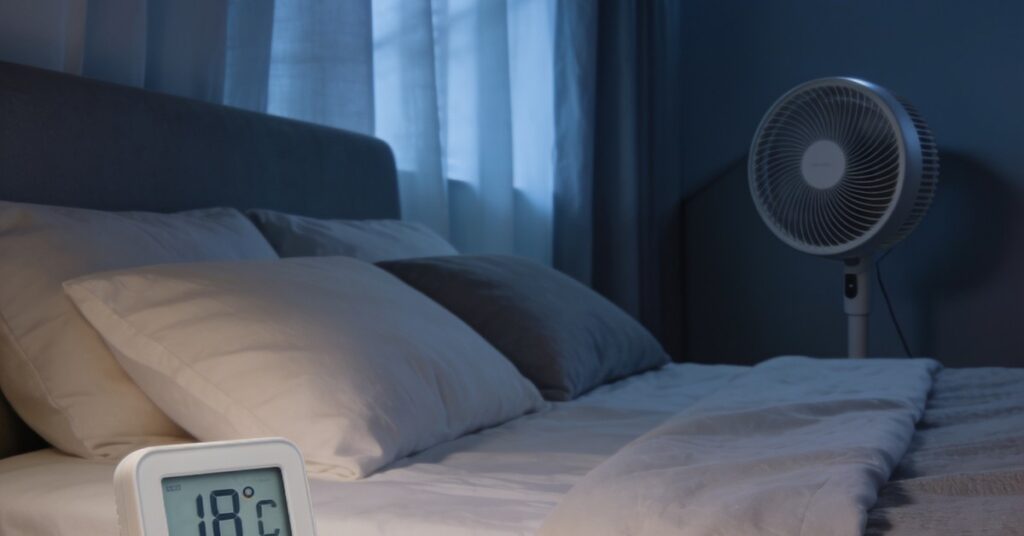
- Ensure consistent air circulation by using a floor fan or air conditioning unit.
- Opt for layered bedding that you can remove easily if you begin to feel warm during the night.
- Prepare for wakefulness by keeping a glass of chilled water or a small ice pack by your bedside for instant cooling relief.
2. Adjust your lifestyle habits
Your daily routine has a significant impact on your body’s ability to regulate its internal temperature. Consider these modifications:
- Review your intake: Refrain from consuming alcohol, caffeine, smoking, or spicy dishes during the evening hours, as these are known to elevate core body temperature.
- Time your exercise: While regular physical activity is beneficial, conclude intense workouts at least three hours before retiring to allow your core temperature to stabilise.
- Manage your stress: Engage in mindfulness, deep breathing exercises, or restorative yoga before bed to mitigate the body’s natural stress-sweat response.
- Review your medication: Common substances, including certain pain relievers, steroids, and antidepressants, may cause profuse sweating. Consult your local chemist or GP to determine if your prescription is contributing to the issue.
- General wellness: If you are struggling with a higher body mass index, creating a sustainable weight management plan can often alleviate the frequency of night sweats.
3. Consult a healthcare professional
If self-help strategies and lifestyle alterations fail to provide respite, it is essential to seek professional medical advice. A GP can investigate the root cause, which may be related to an overactive thyroid, sleep apnea, or hormonal imbalances. Tracking your symptoms in a diary—noting frequency, severity, and potential triggers—is highly recommended before your appointment. Depending on your diagnosis, a doctor might suggest specific interventions:
- Hormone replacement therapy (HRT) or targeted oestrogen-based treatments to address hormonal irregularities.
- Alternative prescription medications, such as low-dose antidepressants or anti-seizure drugs, to assist with thermoregulation.
- Comprehensive diagnostic tests to rule out nutrient deficiencies, such as a lack of Vitamin B12.
Optimising Your Bedroom Environment to Prevent Night Sweats
You can effectively prevent night sweats by strictly regulating your bedroom climate to stay within the optimal range of 15°C to 19°C. Aiming for a baseline temperature of 18°C is generally considered the most effective way to keep your core body temperature stable throughout the night. By ensuring your bedroom does not exceed these thresholds, you minimise the environmental demand on your body’s thermoregulatory system, which is one of the most frequent Possible Causes of excessive sweating in otherwise healthy individuals.
Airflow and Climate Management Techniques
Strategic airflow management is essential; keep your bedroom blinds or curtains closed during sunny hours to prevent heat build-up, and only open windows once the outdoor temperature has dropped below the indoor ambient temperature. To further promote cooling, set your ceiling fans to rotate counterclockwise to create a gentle breeze, or place oscillating fans on the floor pointing upward to circulate air more efficiently around your sleeping area. From my own experience, keeping a simple symptom diary helped me track which nights were the worst, allowing me to pinpoint that my room was often a few degrees too warm.
Selecting the Right Bedding to Manage Excessive Sweating
Choosing the correct Bedding materials is crucial for those who suffer from a Night Sweat, as fabrics like linen, cotton, and bamboo viscose are naturally moisture-wicking and help keep your skin dry. You should also consider using latex mattresses or gel-infused cooling mattress toppers rather than memory foam, which is known for retaining heat and making a Night Sweat Worse. High-quality cooling sheets, typically available in the £25 to £35 price range, are a cost-effective investment that can drastically improve your comfort by absorbing moisture away from the body.
| Material Type | Cooling Efficiency | Best For |
|---|---|---|
| Linen/Cotton | High | Breathability |
| Bamboo Viscose | Very High | Moisture-wicking |
| Memory Foam | Low | Heat retention |
Dietary Adjustments to Stop Night Sweats
To Stop Night Sweats, you must avoid specific foods and drinks that elevate your metabolic rate or core temperature, particularly caffeinated drinks like coffee, tea, and energy drinks, which should be avoided 4 to 6 hours before sleep. It is equally important to avoid alcohol at least 3 hours before bedtime, as it interferes with your body’s ability to regulate temperature. Furthermore, refrain from consuming large, heavy, fatty, or high-protein meals within three hours of lying down, and steer clear of sugary or high-carbohydrate meals at night, as these can spike your metabolism and Trigger Night Sweats.
Foods and Ingredients to Avoid
Beyond general meal timing, specific ingredients such as spicy foods containing capsaicin—including chilli peppers, curries, and spicy snacks—should be removed from your evening diet. You should also avoid hot drinks that raise your internal temperature, along with acidic foods and known irritants including sulphites, monosodium glutamate (MSG), chocolate, ginger, turmeric, and beetroot. By eliminating these specific dietary triggers, you remove the chemical stressors that often force the body to Sweat During The Night as a cooling response.
Lifestyle Habits to Manage Night Sweats
Adopting a calm evening routine is vital to Manage Night Sweats, so you should practice relaxation techniques such as deep breathing, yoga, or meditation to lower physiological stress levels before sleep. Avoid intense physical exercise close to bedtime, as this raises your core temperature and keeps your metabolism elevated for hours, potentially causing a Night Sweat. Keeping a cup of cold water or a cool pack near your bed can also provide immediate physical relief if you wake up feeling hot, allowing you to cool down quickly without disrupting your sleep cycle further.
Addressing Hormonal Changes like Menopause and Perimenopause
If you are experiencing Menopausal Night Sweats related to hormonal changes, such as those occurring during Perimenopause or Menopause, hormone replacement therapy is a highly effective Treatment For Night Sweats that resolves up to 90 per cent of vasomotor symptoms within three months. When dealing with these hormonal shifts, it is also important to use layered bedding that you can easily remove, and to ensure that you finish all vigorous daily exercise several hours before you intend to sleep. If your symptoms persist, do not hesitate to discuss these specific hormonal challenges with your GP to explore tailored management plans.
Reviewing Current Prescriptions
If you suspect your medication is a Cause Of Night Sweats, you must review your current prescriptions with a healthcare professional, as common drugs such as antidepressants, steroids, and painkillers are known to trigger these symptoms. Never stop taking prescribed medication without medical guidance, but do ask your doctor if an alternative dosage or a different class of medication might be appropriate for your situation. A professional review ensures that you are not suffering from avoidable side effects while maintaining the necessary treatment for your health conditions.
When to Seek Professional Medical Advice
You should consult a GP if your night sweats occur regularly, if they wake you up and cause you worry, or if they happen even when your bedroom environment is not hot. Professional evaluation is essential to rule out Common Causes Of Night Sweats, especially when lifestyle changes have not resulted in an improvement. A doctor can perform necessary tests to determine whether your symptoms are idiopathic or related to a broader health issue that requires specific clinical intervention.
Important: Seek medical attention immediately if your drenching night sweats are accompanied by unintentional weight loss, a persistent fever, chills, or a very high temperature. You should also report any accompanying symptoms such as a cough or diarrhoea to your GP, as these may indicate an infection or other clinical issue.
Checklist for Your Doctor’s Appointment
- Keep a log of when the sweats occur.
- List all current medications and supplements.
- Note any other symptoms like fever or weight loss.
- Prepare questions about potential side effects of your current prescriptions.
Frequently Asked Questions
Is it normal to sweat every night due to high ambient temperature?
Occasional sweating due to a warm room is common, but it should not be a nightly occurrence if your environment is properly regulated. If you consistently wake up damp despite keeping your room cool, it is worth investigating other potential physiological triggers.
Can stress be the primary cause of nocturnal perspiration?
Yes, elevated cortisol levels from chronic stress can significantly impact your autonomic nervous system and lead to sweating. Incorporating relaxation practices like meditation can help calm the body and reduce the frequency of stress-induced episodes.
Do natural supplements help with hormone-related sweating?
Some individuals find relief with herbal supplements, but their efficacy varies significantly between people. Always consult your GP before starting any new supplement to ensure it does not interact with your existing health regimen.
How does hydration affect my body temperature at night?
Proper hydration helps your body regulate its internal temperature more efficiently throughout the day and night. However, try to limit large fluid intake right before bed to avoid sleep interruptions, while keeping a small glass of water nearby for comfort.
Maintaining a bedroom temperature of 18°C remains the most effective way to regain control and enjoy the restful sleep you deserve. You are not alone in this, and by making these small, consistent adjustments, you will soon find the relief your body needs.